STUDENT SUPPORT: From AI tutors to maths clubs, learners find new routes to exam support
As a record 962,832 candidates begin South Africa’s 2026 matric examinations, digital tools and community programmes offer additional ways to get academic support.
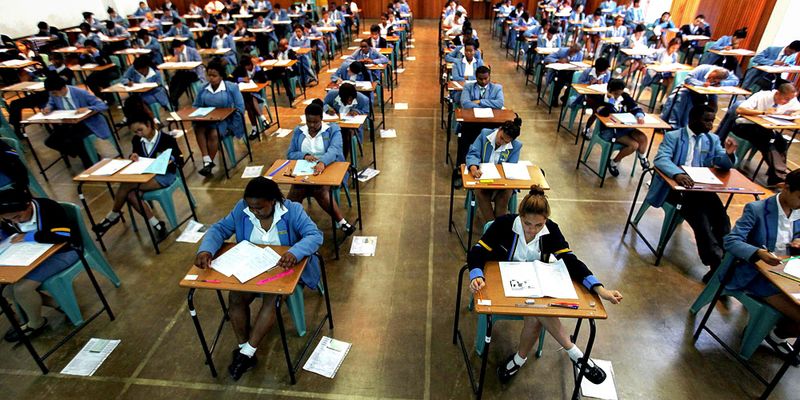
As South Africa's 2026 matric examinations commence with a record 962,832 candidates, innovative digital tools and community programmes are stepping in to provide additional academic support for learners. For many families, private tutoring remains unaffordable, leaving students seeking alternative ways to bolster their exam readiness.
In response, the Basic Education Department has established 7,100 examination centres and recruited over 51,000 educators to mark scripts, aiming to assess provinces' performance based on various indicators.
To bridge the gap between exam readiness and financial constraints, free digital resources like the Caps-aligned Saving Grace AI Tutor have emerged. This platform enables Grade 12 learners to ask questions, receive explanations, and engage in interactive learning, all without the need for private tuition. Charles Mukembe, head of educational technology at the participating school, highlighted the AI tutor's ability to understand questions in everyday language and provide visual explanations using an interactive learning board.
Beyond AI tools, open-access platforms such as Siyavula offer structured revision materials for Mathematics and Physical Sciences, zero-rated for networks like MTN and Cell C. This ensures learners can access the resources on their phones without consuming mobile data. Furthermore, WhatsApp tutoring and grassroots maths clubs serve as community-driven support networks.
Since 2008, Olico Maths Education has expanded its tutoring services to over 28,000 learners through after-school programmes, maths clubs, and partnerships with schools. The organisation's resources have contributed to a notable improvement in pass rates for learners from low-income backgrounds, with 60% achieving at least a 50% pass in Mathematics compared to the national average of 7%.
Written by urgent.news from Daily Maverick's reporting — not their text. Machine-written — may contain errors; check the original before relying on it.