Special vertebrae keep diving seabirds from breaking their necks
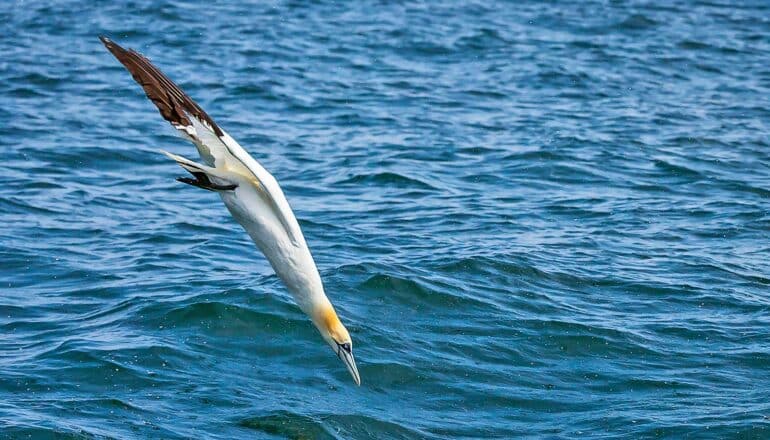
Special vertebrae in plunge-diving seabirds, such as northern gannets and boobies, help them withstand high-speed impacts without breaking their necks, according to a new study. These birds, which can dive at speeds of up to 70 miles per hour, possess unique morphological adaptations that enable them to survive these intense forces.
University of Washington researchers found that several of their neck vertebrae are joined by an additional contact surface, which helps stabilize the cervical column during impact. The overall shape of the vertebrae is also stockier than that of other birds. This study, published in the Anatomical Record, sheds light on the connection between neck structure and feeding behavior, a relationship that has received less attention in the past.
The researchers collected specimens of diving and non-diving birds from the Burke Museum and used CT scans to create detailed three-dimensional models of the cervical vertebrae. By analyzing these images with geometric morphometrics, they identified key differences in the vertebrae of plunge-diving birds. The stocky shape of the vertebrae, along with the additional articular facet in the second through sixth vertebrae, provides added support and helps prevent the neck from bending backward when the birds hit the water at an angle.
This structural adaptation allows the force to be transferred down the cervical column, protecting the birds from injury. The researchers also observed similar neck structures in other diving birds, such as the kingfisher, although the additional facet was not present in these species. The study highlights the importance of structure and function in the adaptation of plunge-diving birds and could potentially aid paleontologists in identifying these birds from fossils.
Written by urgent.news from Futurity's reporting — not their text. Machine-written — may contain errors; check the original before relying on it.