Solar success shows path to fix water crisis with incentives
R400 billion is needed to fix the water infrastructure backlog compared to R26 billion annual budget for water and sanitation services.
Solving South Africa's water and sanitation infrastructure challenges requires looking at the problem from a different perspective, much like Ludwig Wittgenstein's analogy of a fly trying to escape a glass bottle. In 19th-century London, the belief that cholera was caused by bad air led to ineffective solutions such as closing windows and burning tar or vinegar.
However, John Snow discovered that the outbreak was linked to a contaminated water pump, which was resolved by removing the pump handle. While some issues may be more complex, such as extensive building requirements or vested interests, a pragmatic approach often proves more effective than ideology. China's economic reforms, where it was stated that "it doesn't matter whether a cat is black or white, as long as it catches mice," led to the creation of free economic zones that significantly improved living standards.
South Africa needs R400 billion to fix its water and sanitation infrastructure backlog, which is far greater than the R26 billion annual budget allocated to these services. Treasury cannot directly fund this amount, but tax incentives could prove to be a game-changer. Tax incentives similar to those used to encourage renewable energy projects, such as a 125% upfront tax deduction, have played a crucial role in driving private investment in the energy sector.
This led to a surge in private energy generation, with 2,600MW added in 2023 alone, surpassing the combined output of Koeberg nuclear power station and other mega-stations. To date, private rooftop solar capacity totals 9,400MW, nearly matching the combined capacity of Eskom's Kusile and Medupi stations, which cost over R400 billion and took 17 years to construct.
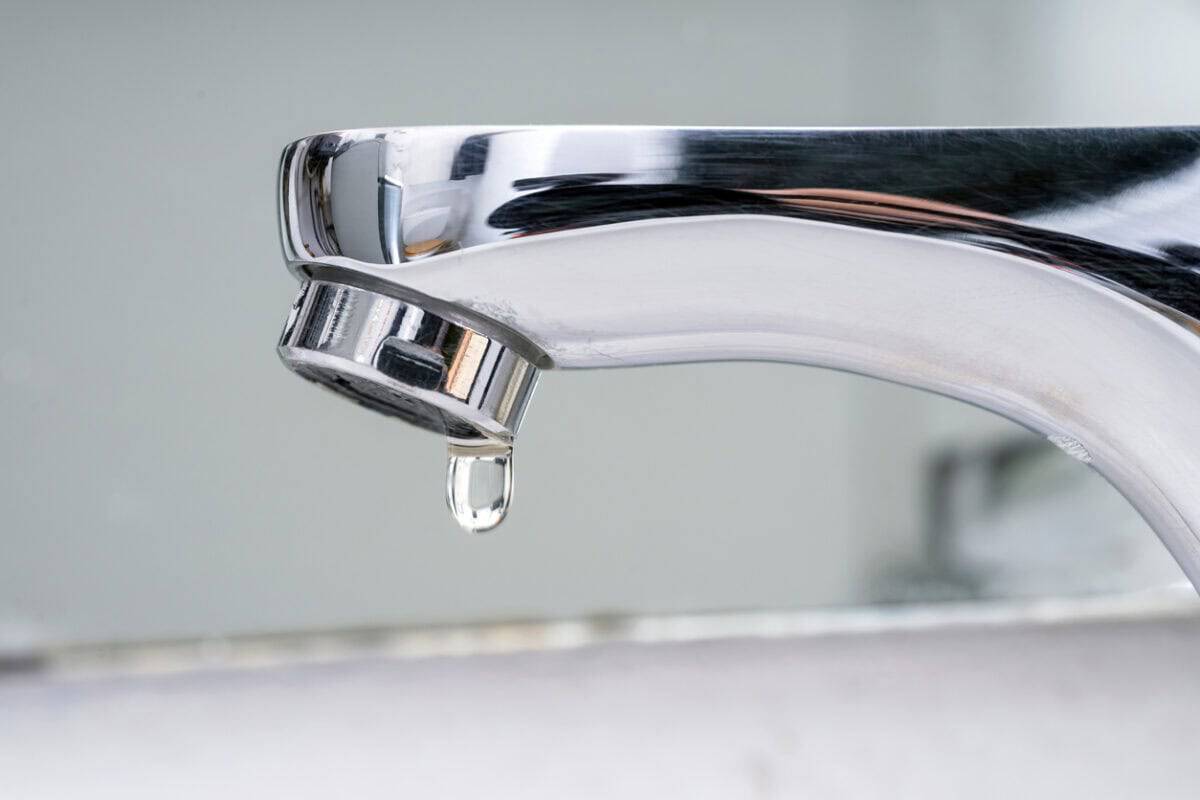
Applying tax incentives to private water recycling, wastewater treatment, leak reduction, and rainwater harvesting could help alleviate water scarcity in the same way that load shedding has been largely eliminated. We cannot continue "buzzing against the glass" while our taps run dry. By abandoning outdated thinking and harnessing private capital and initiative, we can find the opening to solve our water crisis.
Written by urgent.news from The Citizen's reporting — not their text. Machine-written — may contain errors; check the original before relying on it.