Singapore-linked firms among companies tied to Indonesian plantations hit by haze-causing fires, says Greenpeace
SINGAPORE: A report from earlier this month by the global environmental organisation Greenpeace identified four companies with Indonesian plantations where fires contributing to haze were detected as having links to business groups based in Singapore. The report, prepared by Greenpeace together with the Indonesian environmental group Pantau Gambut, argues that the recurrent forest and peatland…
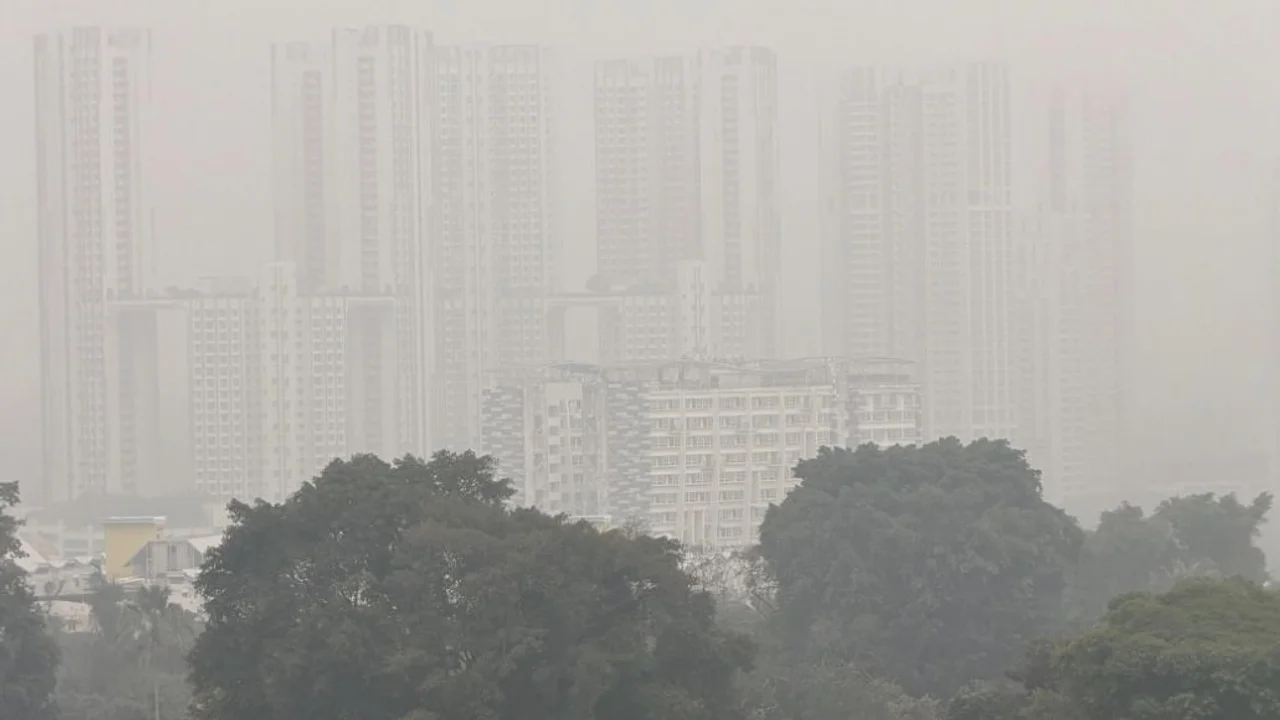
Singapore-linked firms are among those connected to Indonesian plantations affected by haze-causing fires, according to a recent Greenpeace report. The organization, in collaboration with Indonesian environmental group Pantau Gambut, revealed that four companies with plantation holdings in Indonesia have ties to business groups based in Singapore.
The report challenges the notion that transboundary haze fires are merely natural occurrences, as stated by Indonesian government official Syahganda Nainggolan. Instead, Greenpeace and Pantau Gambut argue that the Indonesian government has granted vast areas of land as concessions for oil-palm plantations and other activities.
Many of the plantation sources of the fires this year are located within or near these concession areas. Some of the implicated companies include PT Damai Agro Sejahtera, affiliated with Singapore-based Bumitama Agri Ltd; PT Kayung Agro Lestari, connected to First Resources and Singapore-based business groups; PT Mitra concession, which is part of the Fangriono Family/First Resources linked to Singapore; and PT Arjuna Utama Sawit, recorded as part of First Borneo Plantations, an oil palm plantation originating in Singapore.
The report highlights the severe consequences of these fires on human health, estimating that long-term exposure to harmful PM2.5 particles from peatland fires in Sumatra and Kalimantan is linked to around 33,100 premature adult deaths and 2,900 infant deaths annually. In Indonesia, there have been 4,390 additional hospitalizations due to acute respiratory illnesses this year, along with at least 635,000 severe asthma attacks among children.
Malaysia has also experienced a significant rise in asthma cases, with a 259% increase, and a 124% rise in upper respiratory tract infections.
Greenpeace emphasizes the need for regional accountability in addressing the issue, stating that the right to clean air and ensuring citizens' safety is an absolute right that cannot be continuously sacrificed for global profits.
Written by urgent.news from The Independent Singapore's reporting — not their text. Machine-written — may contain errors; check the original before relying on it.