Shifting mental health care to communities
Millions remain locked away in psychiatric institutions under the guise of care—it is time to replace outdated confinement with dignity, community support, and fundamental human rights.
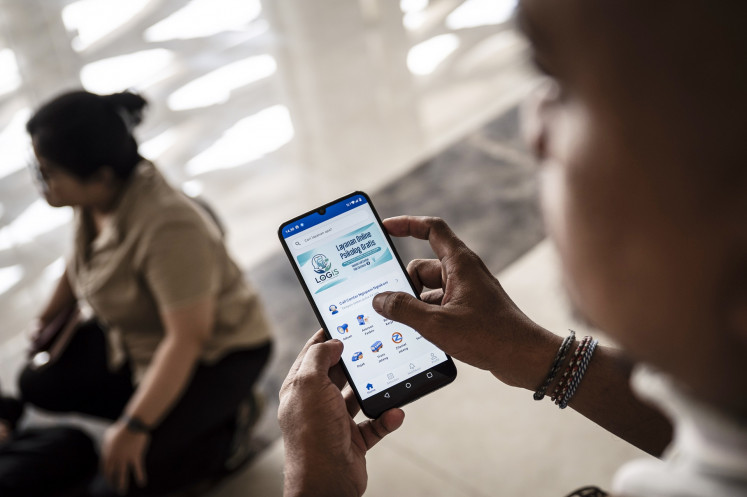
Mental health care is transitioning from institutional settings to community-based services, with growing recognition of human rights and dignity for individuals living with mental health conditions. Over the past two decades, several countries, like Sri Lanka, have made significant progress in transforming their mental health systems from asylum-based models to decentralized networks of district and community services.
Community-based mental health care promotes recovery through appropriate housing, education, employment, social protection, person-centered care, and access to essential supports like housing, education, employment, social protection, peer support, social connection, education, employment, legal aid, and family support. Discharging patients without continuity of care is counterproductive, and people should be welcomed into supportive communities.
International guidance from the World Health Organization emphasizes the need for a cultural shift, involving people with lived experience, health providers, and society as a whole in this transition.
Written by urgent.news from The Jakarta Post's reporting — not their text. Machine-written — may contain errors; check the original before relying on it.