Saluran aduan ada tetapi adakah murid berani bersuara?
Kewujudan saluran komunikasi tidak semestinya bermaksud seseorang berasa selamat untuk menggunakannya.
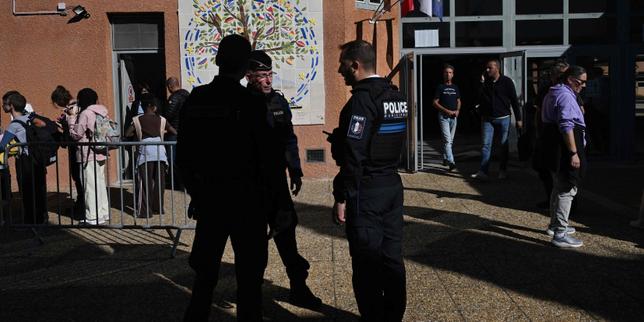
It is possible to install a hundred cameras in a school, but there remains a blind spot which cannot be captured by any CCTV: a student afraid to speak out that they are unsafe. Discussion about school safety has gained attention following several serious incidents involving students. The government has allocated an additional RM15 million for the installation of CCTV in 1,000 schools next year, in addition to various other steps to strengthen safety.
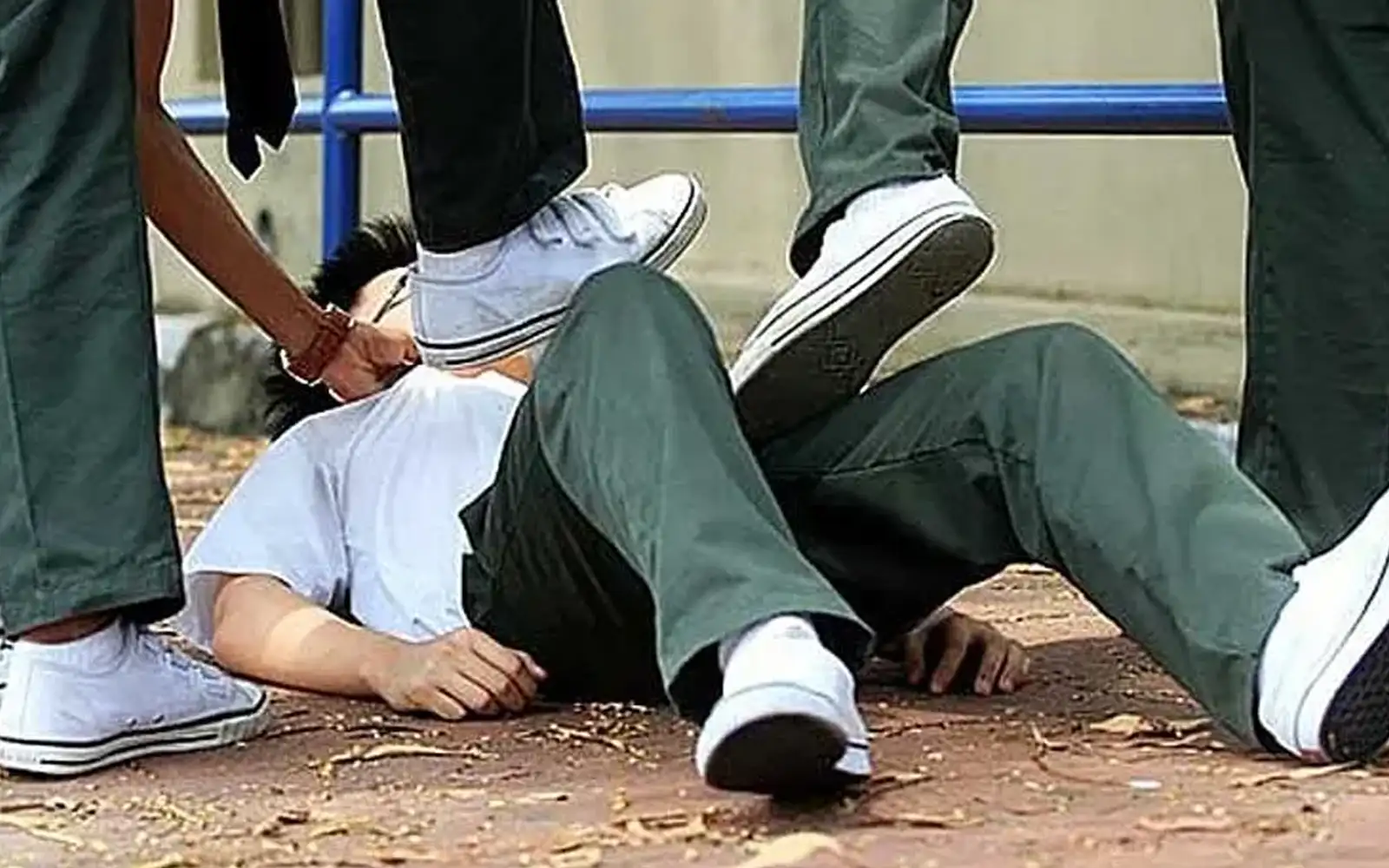
CCTV certainly has its important function. It can help monitor certain areas, record incidents, and support investigations when something happens. However, a camera can only record what is within its field of view. It cannot inform a teacher that a student has been afraid to enter a classroom for several days. It cannot explain that repeated bullying has actually turned into a trend.
It also cannot speak on behalf of a child who is unsure whether adults will believe them. Therefore, school safety is not only something that needs to be monitored, but also something that can be communicated. Prime Minister Anwar Ibrahim recently reminded schools not to hide incidents of bullying or harassment solely to maintain the institution's image and performance.
There were 5,681 recorded cases of bullying between January and August this year, and he himself raised the possibility that the true figure could be higher due to unreported cases. Here, we need to pay attention not only to the number of reports, but also to what causes a student to choose to report or remain silent. In fact, mechanisms for speaking out already exist.
The Student Protection Officer provides a peer-to-peer communication channel, including locked boxes and KPM Self-Communication System. The government is also implementing advocacy for student voices to ensure their views and concerns are heard. This is a positive development. However, the existence of a communication channel does not necessarily mean that someone feels safe using it.
A student may know where the locked box is, but be afraid that their identity will be known. They may know which teacher they can find, but worry they will be seen as a troublemaker. Some may be afraid that their situation will worsen after reporting, while others may not be sure if what happened is serious enough to report to adults.
In communication, the message only has value when someone believes there is someone on the other end who will listen and respond. The same principle applies to school safety. We can provide phone numbers, forms, locked boxes, and digital channels. But if a student does not trust the process after reporting, the channel may exist physically but not function fully as a safe space.
Therefore, the number of reports needs to be read with caution. A school receiving few reports is not necessarily a school without problems. In some cases, a low number can raise another issue: are students truly safe to speak? This does not mean that every school with few reports is hiding problems. The numbers cannot be interpreted simplistically like that.
But we also cannot treat a lack of reports as automatic evidence that everything is fine. Physical safety needs to move along with communication safety. When a student says, "I'm afraid," the adult receiving that message needs to know how to respond. When a report is made, the student needs to understand what will happen next. When something requires the intervention of other parties, the process needs to be explained in a way that does not make the student feel they lose control after speaking out.
Feedback is also important. One thing that can weaken trust in any communication channel is when someone reports but is unsure whether their report was received, is being investigated, or requires further action. For a student, silence after making a report can have very different meanings than what the institution intended. Therefore, the efforts to strengthen school safety through CCTV, guidance counselors, and student protection mechanisms need to be seen as part of an ecosystem.
Cameras can help see. Teachers and counselors can help listen. Communication channels can help students speak out. But all of this only becomes a functioning safety system when the information provided by students reaches the right people and generates a trustworthy response. We also need to be careful to ensure that efforts to encourage students to speak out do not turn into slogans like "don't be afraid to report."
Bravery cannot be put solely on the shoulders of children. Schools and adults need to build an environment that makes bravery possible. This includes ensuring students know where communication channels are, using language they understand, having options for getting help, and not being blamed for bringing up a problem to the school's attention.
Maybe it's time to measure school safety in a way that includes this. It's not just about how many cameras have been installed or how many incidents have been recorded, but whether students know who they can ask for help, feel confident that they will be heard, and understand what will happen after they make a report. This is not a replacement for CCTV or physical safety measures, but an addition to it.
Because safety is not only about being able to record a successful incident. Safety also exists when someone feels confident to raise a warning before something gets worse. In our efforts to make schools safe, this should also be considered. Not only the number of CCTV installed or incidents recorded, but whether students know who they can turn to for help, believe they will be heard, and understand what will happen after they report something.
This is not replacing CCTV or physical safety measures, but enhancing them. Because safety is not only about being able to record a successful incident. Safety also exists when someone feels confident to raise a warning before something gets worse.
Written by urgent.news from Free Malaysia Today's reporting — not their text. Machine-written — may contain errors; check the original before relying on it.
Also reported by 1 other outlet
- Saluran aduan ada tetapi adakah murid berani bersuara? freemalaysiatoday.com