Power, politics and the battle for electoral credibility: Is Ghana’s electoral commission truly independent?
Nothing tests the strength of a democracy quite like an election. Elections ignite hopes, heighten anxieties, expose political rivalries and sometimes deepen national divisions. Beyond determining who governs, they provide a peaceful mechanism for resolving political competition and confer legitimacy on those entrusted with public power.
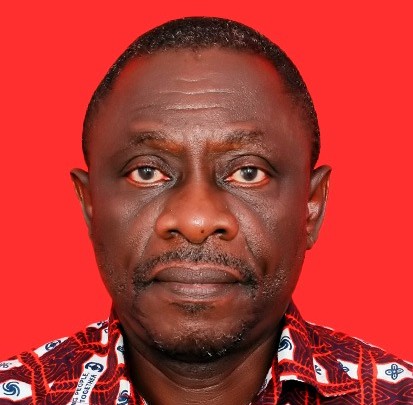
The independence of Ghana's Electoral Commission (EC) has come under scrutiny following the controversial appointment of two Deputy Electoral Commissioners by President John Dramani Mahama. The New Patriotic Party (NPP) is particularly concerned about these appointments, questioning whether they undermine the EC's credibility and impartiality. This debate reveals a deeper issue about the strength of Ghana's democracy – the perceived independence of the institution responsible for safeguarding the people's mandate.
Ghana's 1992 Constitution establishes the EC as an independent constitutional body responsible for compiling the voters' register, conducting public elections, and voter education. Article 46, in particular, guarantees the EC's independence, stating that it shall not be subject to the direction or control of any person or authority. On paper, these safeguards seem unassailable. However, the constitutional guarantees and institutional realities are not always aligned.
Article 70 gives the President the central role in appointing the EC's Chairperson and Deputy Chairpersons, acting in consultation with the Council of State. This raises an important institutional question: can an electoral management body truly be perceived as completely independent when the President, the leader of a political administration, plays a decisive role in appointing its top officials?
The absence of a parliamentary confirmation process for these appointments limits scrutiny through a formal legislative vetting process. The Commission's financial autonomy, administrative arrangements, and procedures governing appointments within the institution are also areas of concern.
In 2018, the controversy surrounding the EC was reignited when President Nana Addo Dankwa Akufo-Addo appointed Charlotte Osei as Chairperson, along with two deputies. The removal of Osei and her deputies by Akufo-Addo in 2018, following allegations of misconduct raised by a committee under the Chief Justice, intensified concerns about the Commission's vulnerability to political developments.
Critics argue that the removals deepened suspicions of entanglement in partisan power struggles, while defenders maintain that the constitutional procedure demonstrated that even senior electoral officials were accountable.
The political battle over the EC's leadership raises fundamental questions about institutional independence and public trust. While the constitutional guarantees are clear, institutional realities and political dynamics often shape perceptions of neutrality. The debate over the EC's independence underscores the delicate balance between constitutional safeguards and political realities in maintaining a credible democratic process.
Written by urgent.news from MyJoyOnline Ghana's reporting — not their text. Machine-written — may contain errors; check the original before relying on it.