Poets, philosophers and policy: The moral language of Budget 2027
Finance Minister Anwar Ibrahim beautifully invoked thinkers from various civilisations to hammer home his message that the budget is a covenant.
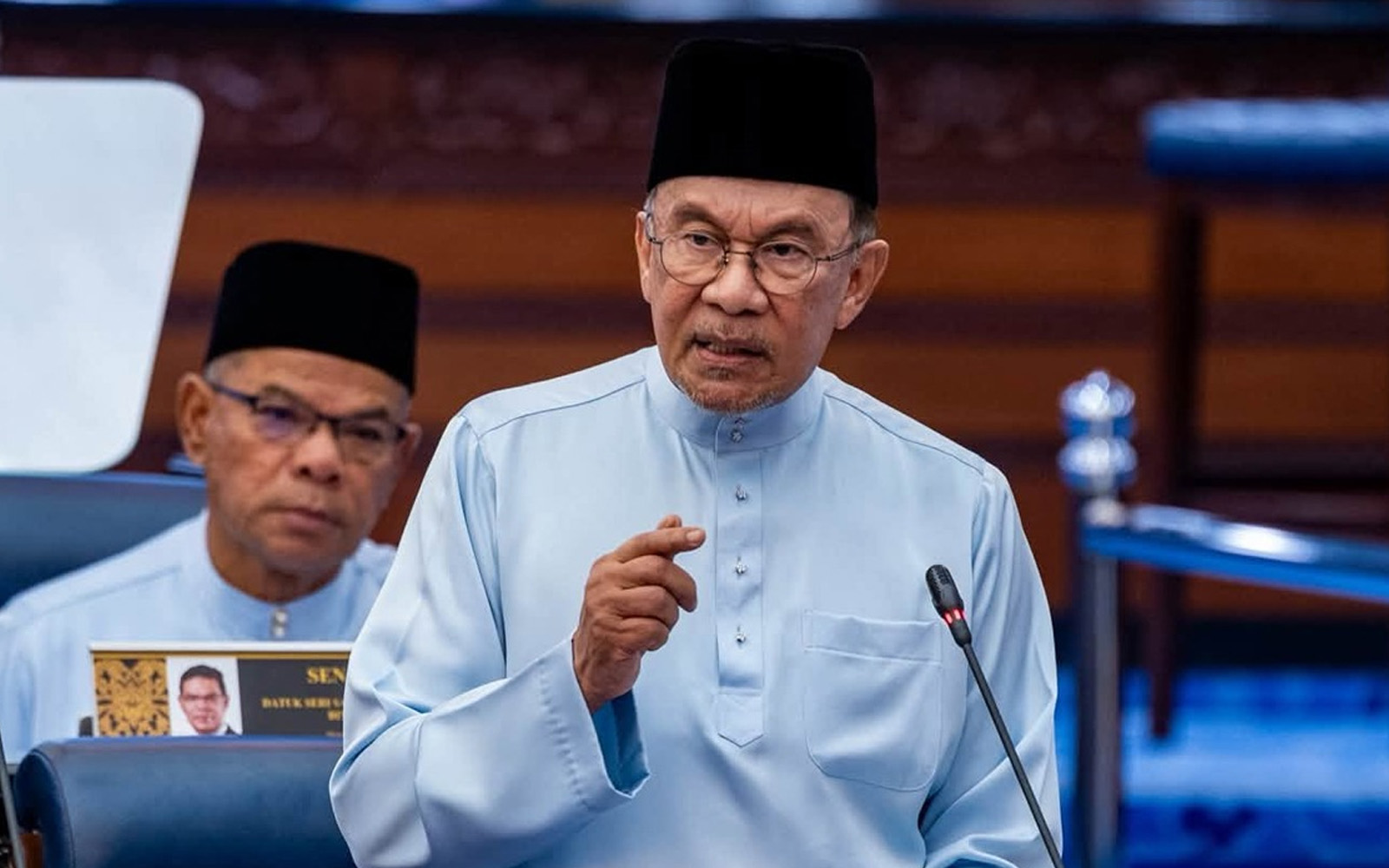
Finance Minister Anwar Ibrahim's Budget 2027 speech went beyond conventional fiscal discourse, weaving together fiscal data with philosophical and poetic narratives. On October 9, he summoned philosophers, poets, and thinkers from various cultures to testify, emphasizing that a budget is more than mere arithmetic; it is a moral covenant, a commitment to the future.
Opening with the Arabic phrase "for tomorrow" from Surah al-Hashr, Anwar framed intergenerational obligation as a religious duty, which then became a fiscal imperative.
He invoked British philosopher Isaiah Berlin's concept of the hedgehog and the fox, arguing that a nation requires both a singular, steady ambition (akin to the hedgehog) and a variety of flexible methods (like the fox). This was accompanied by the 10th-century jurist Al-Mawardi's assertion that power requires order, law, and responsibility, alongside the classical Malay poet Raja Ali Haji's "Gurindam Dua Belas" (1847), which anchored the relationship between ruler and ruled in a covenant, or "waad."
American philosopher John Rawls' analytical framework was utilized to justify differentiated allocations to states, emphasizing equity over uniform treatment. This approach was applied to distribute resources fairly among developed and developing states. Thiruvalluvar's Thirukkural (couplet 731) was then invoked, highlighting the importance of adequate food production, educated citizens, and honest businessmen in a thriving nation, just before significant education funding was announced.
Similarly, a Tang-dynasty monk's verse on the plum blossom enduring bitter cold was placed before discussions on fiscal sacrifices and subsidy rationalization. Homer's Odysseus, who remained steadfast to Ithaca despite facing storms, concluded the speech, reinforcing the central theme of maintaining unwavering direction and values.
Anwar returned to "lighad" at the end, tying together the narrative. This wasn't random; it was a deliberate use of comparative theology of governance, treating religious texts, classical poetry, and philosophical texts as interconnected strands of the same moral language. By framing fiscal decisions within this moral lens, Anwar sought to elevate budgetary discipline from a purely technical requirement to a moral obligation, aiming to create a shared moral contract among Malaysians.
However, the success of this approach hinges on whether the economic benefits are genuinely felt across all communities. If the "covenant" translates into equitable prosperity, Anwar's use of these texts will be seen as a blueprint for a new Malaysia; if not, they might be viewed as merely beautiful rhetoric without substance.
Written by urgent.news from Free Malaysia Today's reporting — not their text. Machine-written — may contain errors; check the original before relying on it.
Also reported by 1 other outlet
- Poets, philosophers and policy: The moral language of Budget 2027 freemalaysiatoday.com