Palestinian faction leaders gather in Cairo to renew bid for long-elusive reconciliation
Leaders of Palestinian factions were gathering in Egypt on Wednesday for a renewed bid for reconciliation, after legislative elections scheduled for next month were postponed by President Mahmoud Abbas , sources told The National. They said the talks were scheduled to begin Thursday and will continue until the end of the month, but not necessarily at leadership level. The gathering in Egypt…
Political leaders of Palestinian factions convened in Cairo on Wednesday to resume efforts for reconciliation, following the postponement of legislative elections by President Mahmoud Abbas, according to sources. The talks, scheduled to commence on Thursday and extend through the end of the month, involve eight factions, encompassing Hamas, Islamic Jihad, a progressive Fatah faction, and the Popular Front for the Liberation of Palestine.
This gathering represents the latest in a series of attempts to bridge the divide among Palestinian factions, which have been at odds over policies, ideology, and the future of Palestine. Egypt has been attempting to reconcile these factions for years, with the Israeli spy agency playing a significant role in foreign policy matters traditionally overseen by the Foreign Ministry.
Prominent participants include Khalil Al Hayya, the political leader of Hamas, and Mohammed Dahlan, who heads the progressive Fatah faction within the party. Other key figures present include Jebril Rajoub, a senior Palestine Liberation Organisation official, and Mohammed Ashtiyah, a former Palestinian prime minister and high-ranking Fatah figure.
The primary subjects of discussion are intended to address ideological disparities between factions, the integration of Hamas and Islamic Jihad into the Palestine Liberation Organisation, and defining the political roles of armed factions like Hamas and Islamic Jihad.
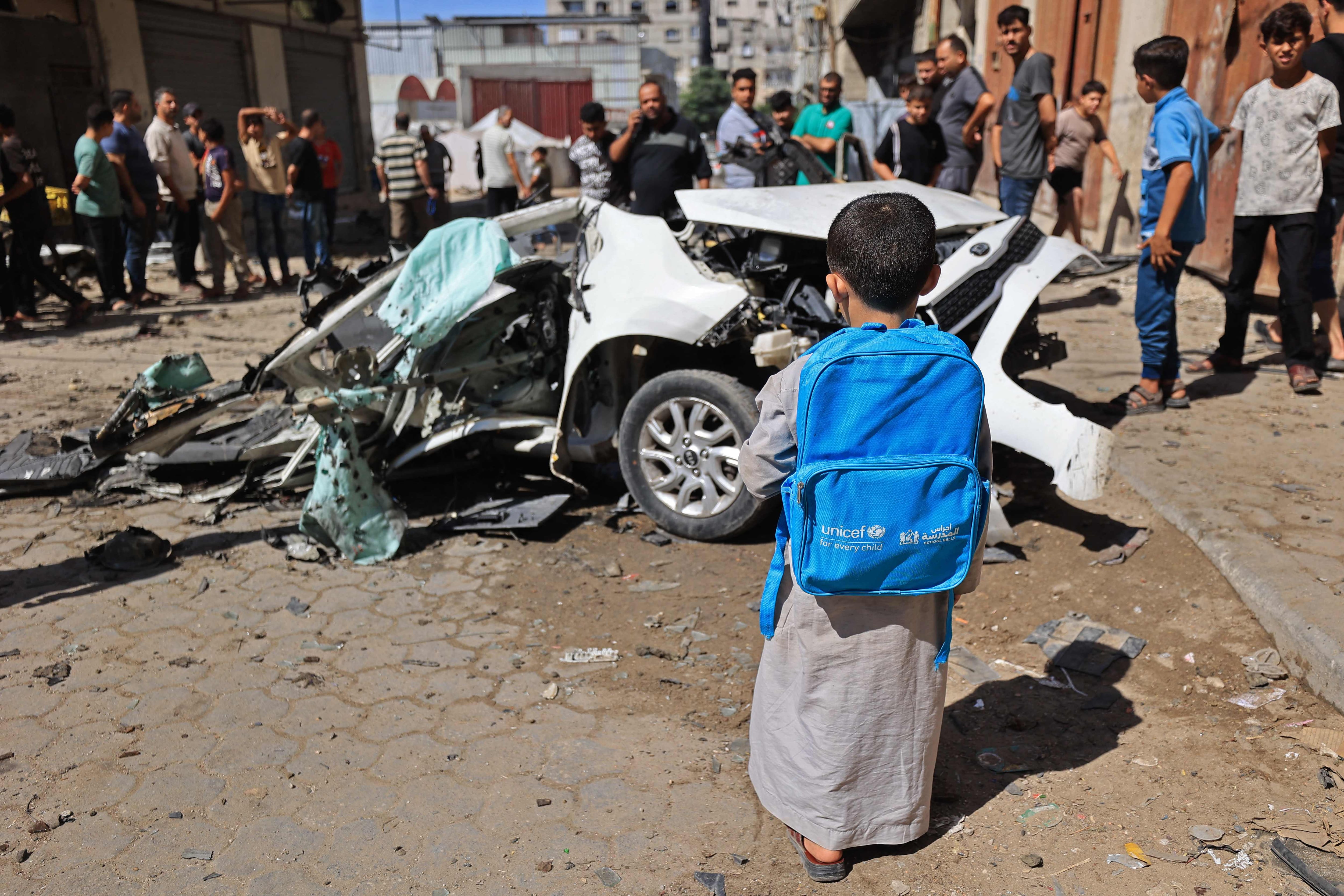
These preliminary contacts are expected to pave the way for comprehensive negotiations involving all parties, according to sources. The timing of the talks is significant, considering the dire circumstances facing the Palestinian cause, with the most recent US-sponsored ceasefire in Gaza failing to halt two years of conflict, leaving the enclave in ruins and Israel controlling over 60% of the territory.
Meanwhile, Palestinians in the occupied West Bank face frequent attacks on homes and farmland, suggesting a systematic campaign to displace them.
President Abbas, the head of the Palestinian Authority, announced the election postponement last weekend, citing the need to address "Palestinian divisions" before the elections in September. However, the move has been met with criticism from factional leaders. The executive committee of the Palestine Liberation Organisation approved the delay, citing security concerns in both Gaza and the West Bank.
The last election for the Palestinian Legislative Council took place in 2006, resulting in Hamas' victory and a subsequent split between Hamas and Fatah. Abbas, who has ruled beyond his original term for 17 years, has faced increasing discontent over his governance and allegations of corruption. Recent polls indicate that 79% of Palestinians surveyed desire his resignation.
Hamas welcomed the postponement, claiming it was a positive step towards genuine political and security conditions. Meanwhile, the pro-reform faction within Fatah, led by Mohammed Dahlan, strongly opposed the decision, labeling it an "attack on democracy" and a threat to the Palestinian democratic process.
Written by urgent.news from The National UAE's reporting — not their text. Machine-written — may contain errors; check the original before relying on it.
This story
This is one outlet's version. Read the fullest account.