Overhang risk could distort council balance after elections
A party could win a ward with 30% support while opponents divide the remaining 70%, creating overhang across councils.
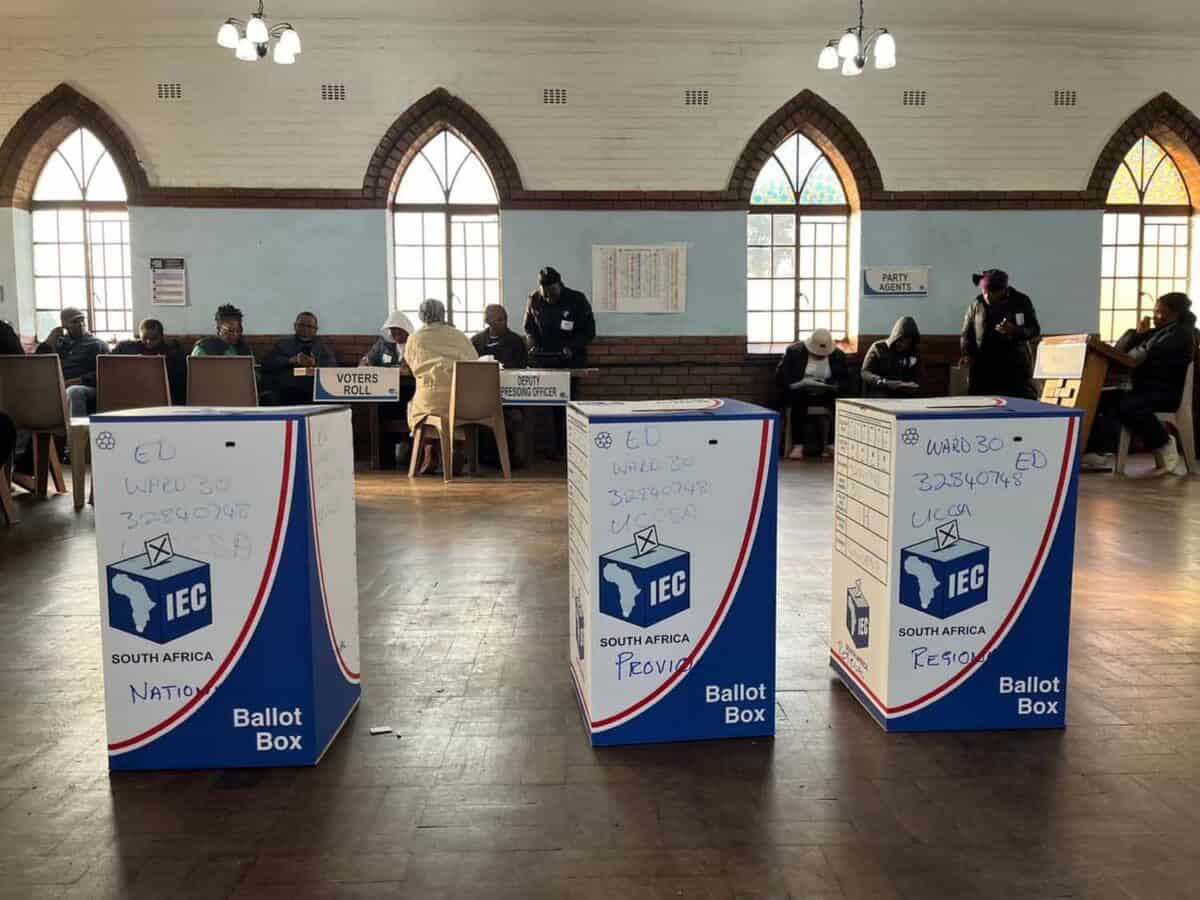
South Africa's municipal electoral system may face a constitutional challenge after upcoming local government elections if political parties win more ward seats than their vote share justifies, leading to an "electoral overhang," according to ActionSA. The proportional representation system, designed to balance ward victories, may run out of seats to correct this discrepancy, potentially leaving councils not reflecting residents' votes accurately.
Political analyst Theo Neethling noted that this issue is not unique to South Africa, as other countries have introduced compensatory seats to address such imbalances. The IEC maintains that the current legislation is sufficient, but the overhang problem could become more apparent with increased multiparty politics and vote fragmentation in the 2026 elections.
If a party wins a ward with only 30% support, while opponents split the remaining 70%, this party could gain substantially more council seats than their overall vote share. The Johannesburg City Council, currently at a statutory maximum of 270 members, faces additional complications as it cannot expand PR representation to correct an overhang.
ActionSA and the DA support a review of the legislation to ensure a fairer representation of political parties, but implementing changes before the 4 November elections may undermine electoral certainty.
Written by urgent.news from The Citizen's reporting — not their text. Machine-written — may contain errors; check the original before relying on it.