Our Durga doesn’t fast, she feasts
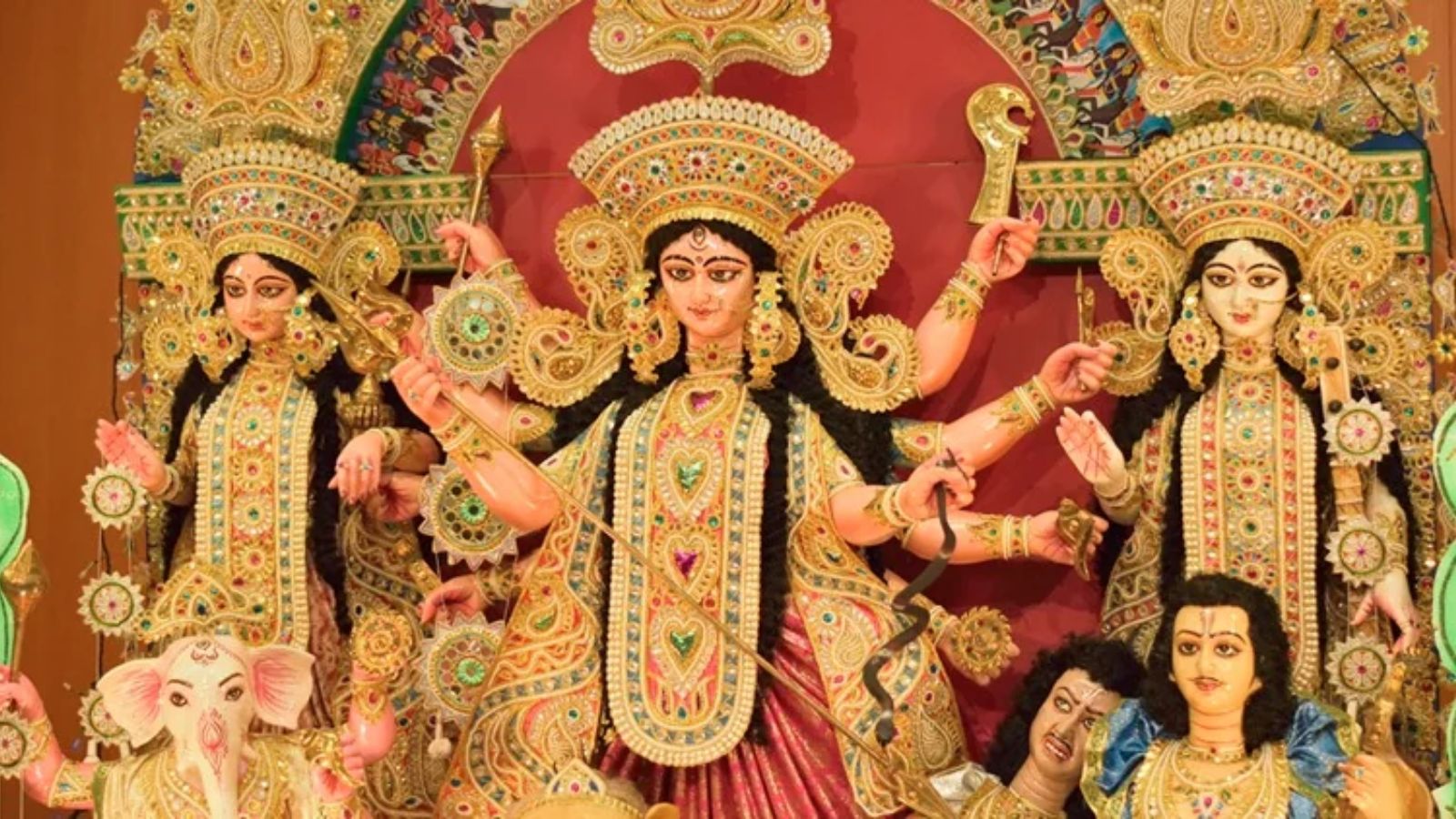
Last month, thousands of mobile phones lit up the darkness in Liluah in response to a request from Bageshwar Baba. The Hindu deity, who detested meat, asked for lights to be shown for Navratri. He said, "Free Bengal," which sounded like a contradiction. But Bengal’s love for Navratri is evident in its traditional celebrations, far from the idea of fasting.
The author notes that Bengal's connection with the festival is deeply rooted in its culture, where the goddess comes down from Kailash to her father’s house, bringing the children in her entourage. The goddess is not just a deity but a mother who has heard the concerns of her sons-in-law and daughters. The narrative highlights the Bengali tradition of welcoming the goddess, where she is offered a feast of diverse delicacies.
The writer emphasizes the Shakta tradition that accepts both Annapurna and Kali, showing the harmonious coexistence of different aspects of the goddess. The author also discusses the impact of modernization on the Bengali society, where the mills closed and the bhadralok discovered that India could think without them. However, the cultural heritage remains, with a strong emphasis on the feast-like celebration of Navratri.
The writer concludes by saying that Bengal's Navratri is a feast that ends on a railway platform, contrasting with the fasts observed in other parts of the country.
Written by urgent.news from The Indian Express's reporting — not their text. Machine-written — may contain errors; check the original before relying on it.