OpenAI alleged an ex-employee who returned to Apple sent 100+ device files to himself
The filing in San Jose federal court follows Apple's July trade secret suit; Apple says it found no evidence for the claims
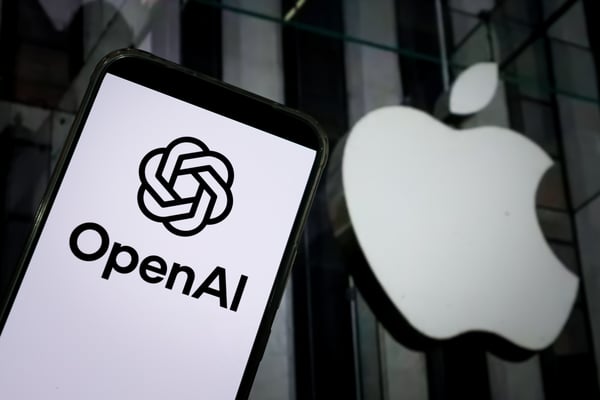
An OpenAI employee who recently transferred to Apple allegedly leaked sensitive information about an unreleased product to a personal account, as revealed in a recent filing in the ongoing lawsuit between the two tech giants. The employee, who worked on an unreleased product at OpenAI, presented details about it to senior Apple leadership months ago, according to the allegations. This development came hours before the two companies were set to face off in court, causing a delay in the proceedings.
In the legal document, OpenAI expressed deep concern over the leaked trade secrets and confidential information now residing within Apple. The company warned that its engineers could leverage this information to shape their upcoming products. The lawsuit between OpenAI and Apple has been ongoing, with Apple previously accusing its own employees of stealing confidential information and transferring it to OpenAI's hardware division.
Apple's response to the new allegation was that they have strict policies and procedures in place to prevent former employees from using confidential information from previous employers. The tech giant stated that they have found no evidence to support OpenAI's allegations. This claim emerged as part of an ongoing trade secret dispute that Apple had filed against OpenAI earlier in the year.
A US district court judge, Edward Davila, recently granted Apple's request for early access to digital files from OpenAI in the lawsuit. The judge allowed Apple to collect data from former employees' devices and schedule depositions for three individuals, including Chang Liu and Tang Yew Tan, who work on Apple's iPhone and Apple Watch. The case is now expected to go to trial in October 2027, though OpenAI had previously stated that it might be ready for trial as early as June 2027.
Written by urgent.news from Guardian Technology's reporting — not their text. Machine-written — may contain errors; check the original before relying on it.
This story
This is one outlet's version. Read the fullest account.
- OpenAI cries foul, says Apple stole secrets from it in 2026 appleinsider.com
- OpenAI accuses employee who left for Apple of leaking plans for unreleased device theguardian.com
- OpenAI claims an ex-employee took its product plans and presented them to Apple theverge.com
- Filing: OpenAI says a staffer who joined Apple sent 100+ files to a personal account and made a presentation about an unreleased product to Apple leadership (Reuters) reuters.com
- OpenAI is alleging an ex-employee who left for Apple sent 100+ files to a personal account qz.com