Ohio Gov. Issues Executive Order Challenging NCAA Eligibility Policy
The EO may not have teeth, but it could still impact eligibility.
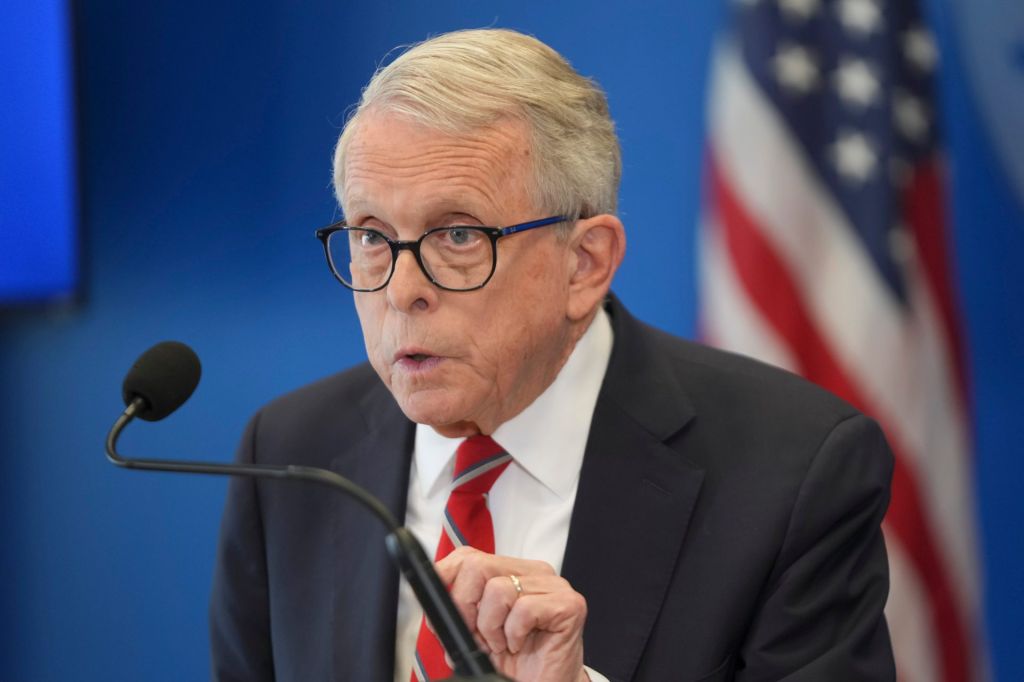
Ohio Governor Mike DeWine has taken a bold stance in the ongoing college sports eligibility debate by issuing an executive order. This is the first time any governor has done so on the matter. His order stipulates that players who started college in 2022 and have used up four years of eligibility should be granted a fifth year. The order clarifies that no Ohio institution – be it state or private college or university – shall enforce any rule that hinders a Class of 2022 student-athlete from fully participating in intercollegiate athletics during the 2026-27 academic year.
The only exceptions to this are players who are 24 or younger, academically eligible, and not under contract with a professional team.
This move by DeWine comes amidst a flurry of legal challenges at both state and federal levels to the NCAA’s new age-based eligibility policy, which began in effect this summer. The policy grants five years for players to complete up to five seasons of eligibility, starting from their 19th birthday or when they enroll in college, whichever occurs first.
However, the NCAA has decided that the rule does not apply retroactively to the Class of 2022. A number of these players have since filed lawsuits demanding a fifth year of eligibility.
The executive order also comes as the U.S. House of Representatives prepares to vote on the Protect College Sports Act, a bill that would make the NCAA’s new policy into federal law. While the law would not overturn previous eligibility cases, DeWine’s order aims to provide some consistency for players at Ohio schools. However, the order’s immediate impact is uncertain.
While it may offer legal protection to those schools that choose to follow it, it’s unclear if the NCAA’s rules can be superceded. Legal experts suggest that the NCAA could employ several tactics to counteract this order if necessary. Nebraska Attorney General Mike Hilgers has also expressed doubt about the order’s ability to be enforced across the league.
The NCAA has reaffirmed its stance, stating that it will continue to enforce eligibility rules uniformly, including in Ohio. NCAA President Charlie Baker warned that any attempt by an elected official to set their own rules for their school’s advantage is harmful to competitive sports and why the Protect College Sports Act must pass soon.
However, DeWine’s order could influence the outcome of the Borovicanin v. NCAA lawsuit, the first case to challenge the NCAA’s eligibility rules. The case, which includes dozens of men’s and women’s basketball players as plaintiffs, currently awaits review by Ohio’s Supreme Court. Some legal experts believe the order could serve as a precedent for other states, potentially influencing how multiple governors approach this issue.
Written by urgent.news from Front Office Sports's reporting — not their text. Machine-written — may contain errors; check the original before relying on it.