New inflation warning sign
America's inflation problem is becoming harder to contain, with new evidence Wednesday that price pressures are extending beyond the war-related energy shock rattling the global economy. Why it matters: Inflation is squeezing household budgets and dimming hopes for relief. It is also increasing the prospect that the Fed will have to raise interest rates further. What they're saying: "Higher…
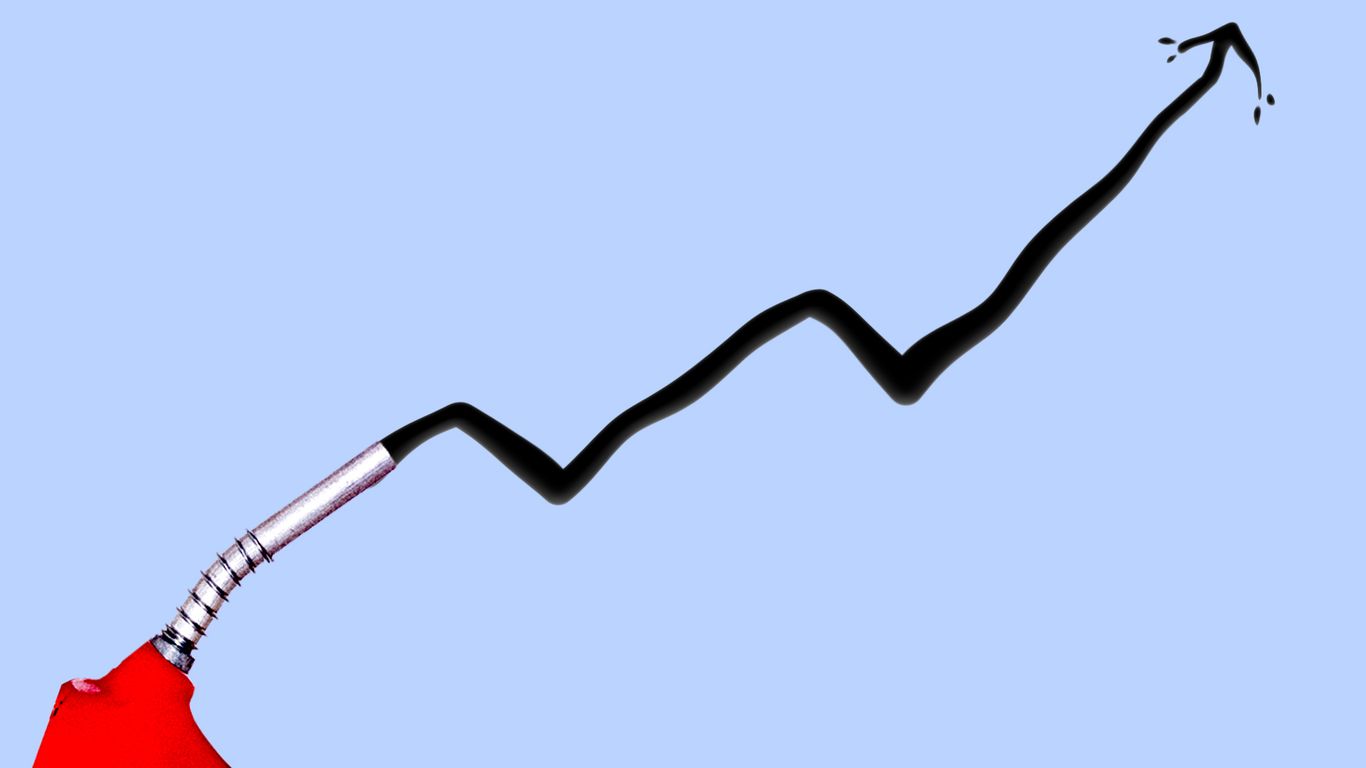
America's inflation struggle is proving more difficult to control, with fresh evidence indicating price pressures are spreading beyond the energy-related supply shock gripping the world economy, according to a report released on Wednesday. The implications are significant: inflation is straining family finances and dimming prospects for relief, while also heightening the likelihood that the Federal Reserve will need to raise interest rates further.
An economist at Fitch Ratings noted that the surge in energy costs is starting to infiltrate a broader range of service prices, raising the risk that this inflation spike could endure. The latest Consumer Price Index (CPI) report, the first of the year, revealed price pressures appearing simultaneously across various parts of the consumption basket.
In September, the CPI increased by 0.6% from the previous month, outpacing the 0.4% rise seen in August. Over a year, the index surged 3.7%, up from 3.4% in the prior period. Gasoline prices jumped by 9% in September, accounting for more than half of the monthly jump in consumer prices. Core prices, which exclude food and energy, rose by 0.3% for the second straight month, accelerating to a 2.6% annual rate from 2.4%.
While core CPI has been climbing at a 3.4% annualized pace over the past three months, up from 2% in August, this trend suggests underlying inflation pressures are intensifying. Service sectors less directly affected by the energy price surge, such as shelter costs and used car prices, have also shown signs of inflation. Airfares rose by 1.2% as airlines faced higher jet fuel costs. The "supercore" measure, which excludes housing and energy services, has risen at a nearly 4.6% annualized rate over the past three months.
Recent comments from top Federal Reserve officials have downplayed the urgency of another interest rate hike this month. However, the latest inflation data has reignited speculation that the central bank may act sooner, with the October 27–28 policy meeting now seen as a 47% likely candidate for a quarter-point rate increase, up from 22.1% the previous day. Traders now estimate a 47% chance of a rate hike at the upcoming meeting, compared to 18% last week.
Fed Governor Christopher Waller suggested that higher Treasury yields could help cool the economy, potentially reducing the need for further rate hikes. However, the inflation report complicates this argument, demonstrating that underlying price pressures remain robust. Instead, the report bolsters the arguments of more hawkish policymakers, such as Cleveland Fed President Beth Hammack, who warned that inflation is broad-based rather than concentrated in a single component.
Hammack pointed to tariffs, the AI investment boom, and rising service prices as additional factors contributing to price pressures.
In the end, the inflation report underscores the challenge for American consumers: another bout of inflation may prove even more difficult to contain, prolonging the affordability squeeze and keeping borrowing costs elevated. The squeeze is already evident in consumers' paychecks, with inflation outpacing wage growth for six consecutive months. Real average hourly earnings fell by 0.5% in September and were down 0.7% from a year earlier.
Written by urgent.news from Axios's reporting — not their text. Machine-written — may contain errors; check the original before relying on it.