Naturalness: a useful principle, but not an absolute rule
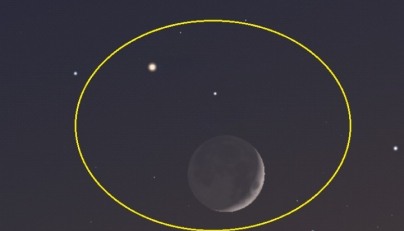
There are two classes of problems that physicists often talk about that might leave you thinking, “geez, a physicist can never be satisfied, can they?” The first is called a coincidence problem: where things that have no apparent reason for being close together actually are close together. Examples include: the normal matter and dark matter densities, the cosmic matter density and the dark energy…
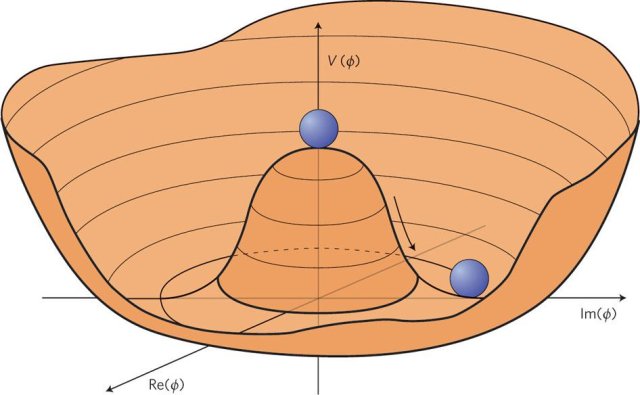
Naturalness is a principle often used in physics, but it is not an absolute rule. Two types of problems can arise: coincidence problems and hierarchy problems. Coincidence problems involve close together quantities that have no apparent reason for being close, while hierarchy problems involve a large, unnatural gap between quantities that would usually be expected to be close.
Naturalness seeks to explain these seemingly unlikely outcomes by proposing mechanisms that naturally lead to the observed relationships or disparities. This approach has been very successful in various areas of theoretical physics, such as resolving the electron self-energy puzzle through quantum field theory, and explaining the generation of elements in the Universe through nuclear physics.
Written by urgent.news from Big Think's reporting — not their text. Machine-written — may contain errors; check the original before relying on it.