Mumbai’s groundwater under threat amid drought: Seawater could contaminate water sources
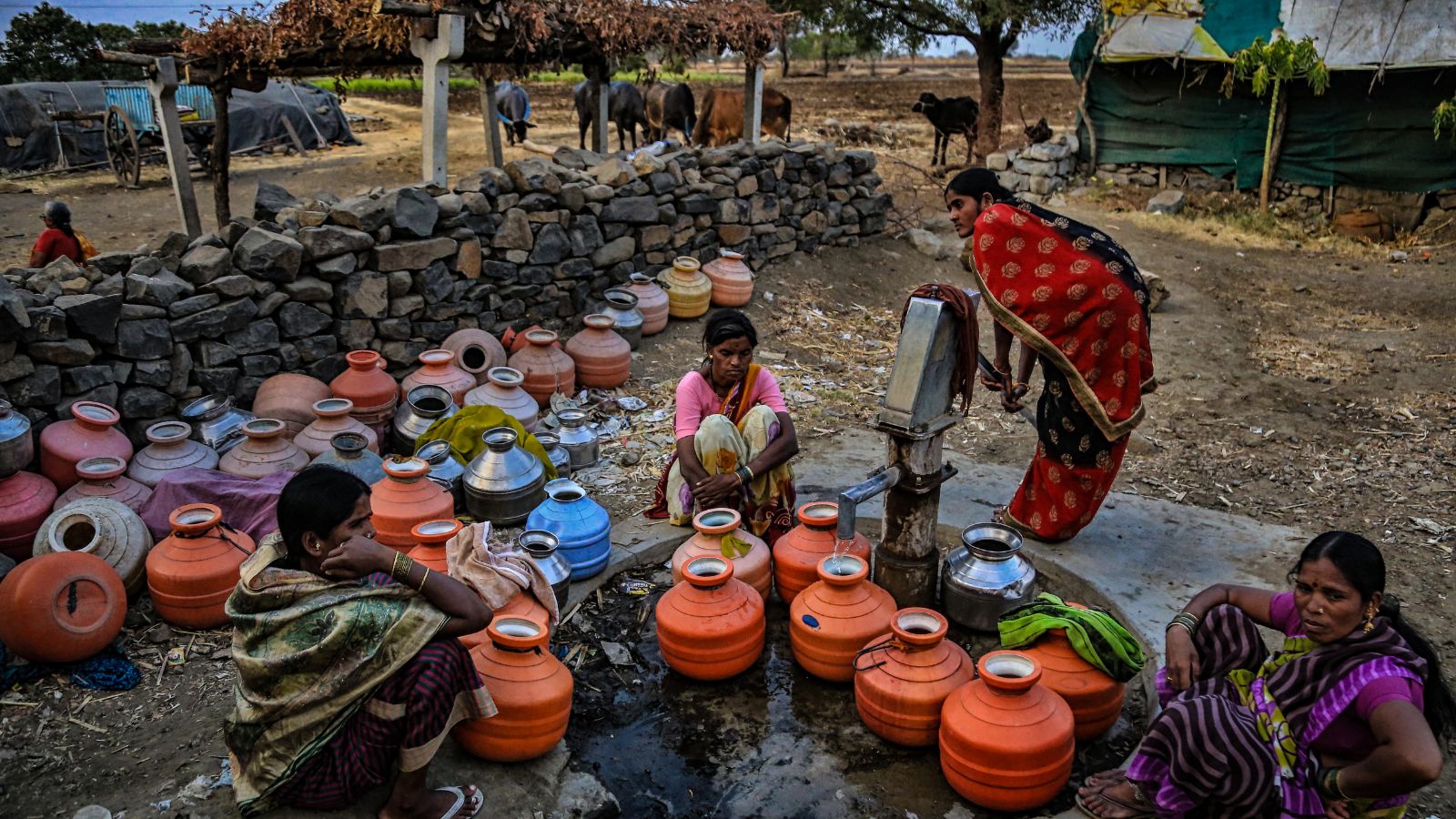
Mumbai faces a potential groundwater crisis as seawater intrudes into freshwater aquifers, threatening the city's water supply. A study by the Central Ground Water Board (CGWB) reveals that about 35% of Mumbai's area is highly vulnerable to this intrusion. Areas at risk include Fort, Shivaji Park in Dadar, Mulund East, and Mahim.
The study warns that excessive groundwater pumping can lower freshwater pressure, allowing seawater to enter aquifers and make the water unusable. The CGWB's 2025 Aquifer Management Plan, presented by the Union Ministry of Jal Shakti, maps aquifers across 603 square kilometers covering Mumbai and its suburbs. Shallow aquifers along the western and southern coasts are particularly vulnerable, while deeper aquifers near creeks face higher risk in the eastern zone.
The study found that saline intrusion is particularly prevalent during the pre-monsoon period. Mumbai primarily relies on seven surface water reservoirs, replenished by the southwest monsoon, with groundwater used to supplement the city's supply. Although overall groundwater extraction levels are not considered high, the report cautions that localised seawater intrusion is possible.
To mitigate the threat, the report recommends restricting groundwater development in Fort to shallow depths (up to 60 meters) and prohibiting it entirely in Shivaji Park. It also calls for groundwater recharge structures, regular monitoring of electrical conductivity, and detailed hydrogeological investigations before allowing new deep borewells.
The Brihanmumbai Municipal Corporation (BMC) is studying salinity levels in Mumbai's groundwater to assess the extent of salinisation.
Written by urgent.news from The Indian Express's reporting — not their text. Machine-written — may contain errors; check the original before relying on it.