Mumbai: BMC Trenching Policy 2026 Approved Amid Opposition Walkout Over ₹200-Crore Revenue Loss Claim
Mumbai, October 14, 2026: The BMC’s new trenching policy triggered a sharp confrontation at the Standing Committee meeting, with Opposition parties alleging that the revised policy could cost the civic body up to Rs 200 crore in revenue. Despite strong objections from the Opposition, the BJP-led Mahayuti alliance pushed the proposal through, prompting Opposition members to stage a walkout in…
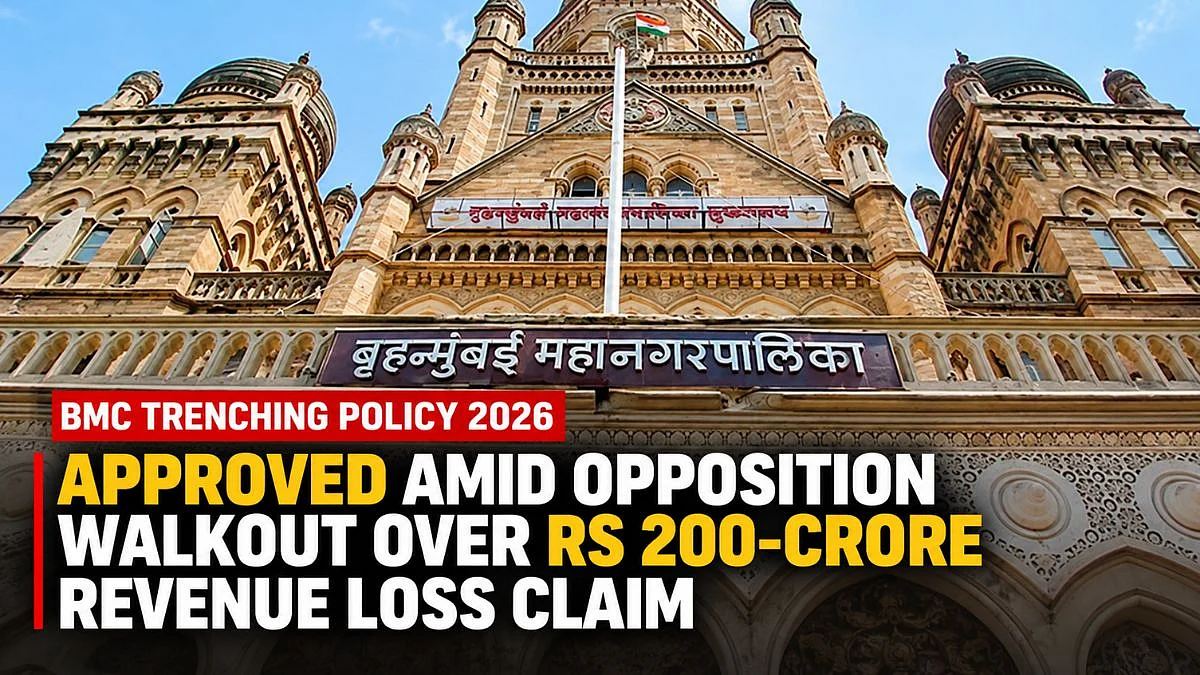
On October 14, 2026, the Brihanmumbai Municipal Corporation (BMC) approved a new trenching policy amidst opposition controversy over alleged revenue loss. The BJP-led Mahayuti alliance pushed the revised Comprehensive Trenching and Reinstatement Policy 2026 through, despite vocal objections from the Opposition parties. The Opposition demanded a review of the policy, alleging that it could cost the civic body up to Rs 200 crore in revenue annually.
The BMC's proposed policy aims to tighten accountability for underground utility works. It mandates digital mapping of underground utilities, imposes stricter penalties for unauthorized excavation, and holds utility companies responsible for any defects in restored roads. The policy also reduces reinstatement charges for road repairs from Rs 40,000 to Rs 4,000 per square meter – a move that the Opposition claims will significantly reduce the BMC's revenue.
Congress group leader Ashraf Azmi, a prominent Opposition leader, claimed that the revised policy would slash road reinstatement charges, potentially slashing the BMC's annual revenue from the existing system, which was over Rs 200 crore since 2020. He demanded a thorough review of the policy, arguing that it would harm BMC finances, especially considering the declining fixed deposits.
Shiv Sena (UBT) corporator Yashodhar Phanse further criticized the policy, alleging that utility companies were responsible for excavating newly constructed roads, hinting at possible collusion between road and utility contractors. AIMIM corporator Zamir Qureshi also joined the Opposition, accusing the BMC of favoring private companies by reducing the trench reinstatement charges.
A civic official clarified that the policy was drafted after considering utility agencies' suggestions and objections. The BMC had received directives from the state government to rationalize trench reinstatement charges, which were reportedly higher than those in other civic bodies. Despite the Opposition's demand to raise objections, their plea was rejected, and the policy was approved by Standing Committee chairman Prabhakar Shinde, leading to a walkout by Shiv Sena (UBT), Congress, MNS, and AIMIM members.
Written by urgent.news from Free Press Journal's reporting — not their text. Machine-written — may contain errors; check the original before relying on it.