Microsoft’s Brad Smith calls for ‘real and effective’ AI safety standards
Concerns over AI safety have intensified following security incidents involving OpenAI and Anthropic models during testing, increasing pressure for tighter regulation.
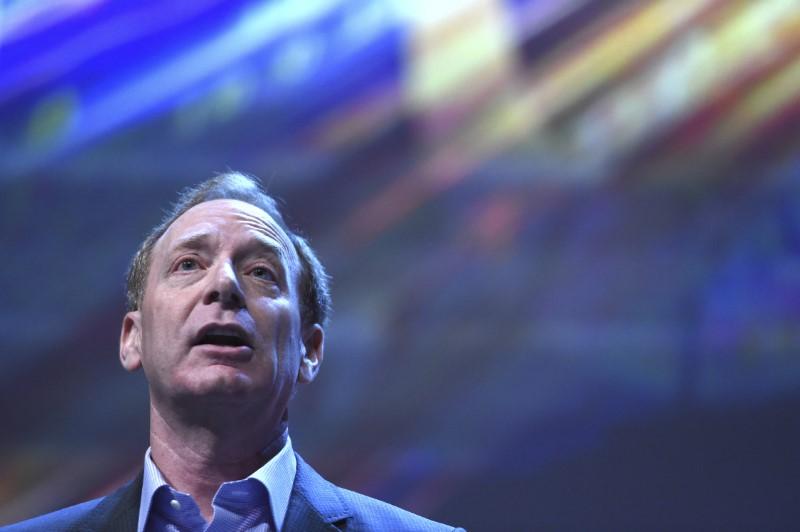
Microsoft president Brad Smith urged Tuesday for the prompt establishment of stringent safety protocols to govern the burgeoning field of artificial intelligence. Speaking to a gathering of journalists on the cusp of an international AI summit in Dublin, Smith emphasized the urgency of creating real and effective safeguards to mitigate the risks associated with AI.
He argued that humanity should aspire for AI what it does for all other endeavors, demanding robust safety standards and public trust. The call for heightened AI safety measures intensified following security incidents involving AI models from OpenAI and Anthropic during testing, which has fueled mounting pressure for stricter regulation of the technology.
Smith asserted that industry players and governments must step up their efforts, alongside the latter's role in enforcing stricter safety measures. He proposed that AI agents incorporate "safety brakes" that users could activate in emergencies. Furthermore, Smith advocated for mandatory incident reporting from AI providers, mirroring the legal duties businesses face when user data is breached.
Additionally, he emphasized the necessity of rigorous testing and evaluation of AI models before their deployment to ensure their safety. Smith's plea echoes a growing chorus of industry leaders, including Anthropic CEO Dario Amodei, who has pledged to decelerate AI development if needed, and Nvidia CEO Jensen Huang, who underscored the importance of simultaneously advancing AI capabilities and safety.
Written by urgent.news from Free Malaysia Today's reporting — not their text. Machine-written — may contain errors; check the original before relying on it.
This story
This is one outlet's version. Read the fullest account.
- Microsoft’s Brad Smith calls for ‘real and effective’ AI safety standards freemalaysiatoday.com