Microplastics may produce harmful molecules if they enter our blood
In a lab experiment, microplastics generated harmful molecules when exposed to blood, which may damage cells
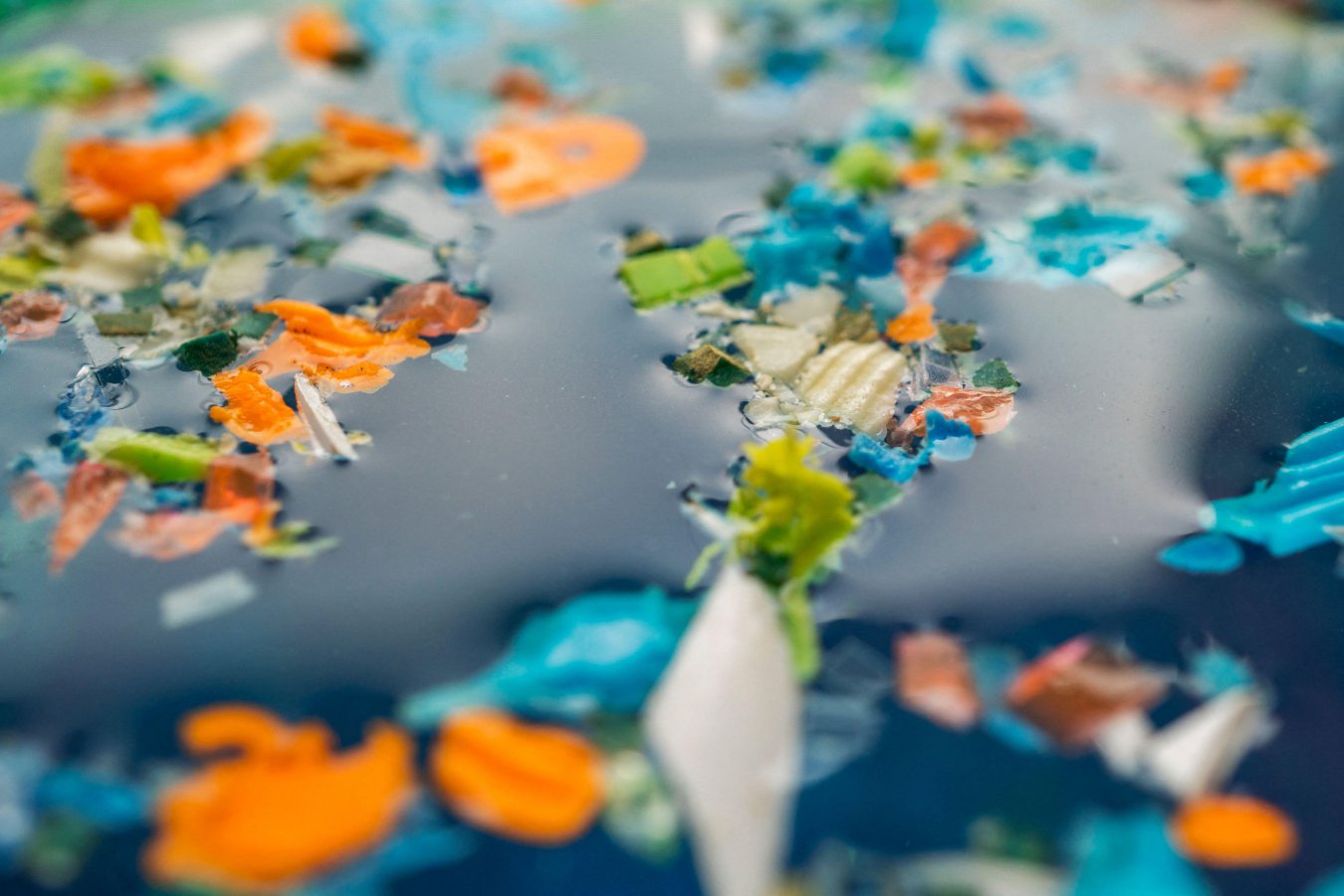
Microplastics, which are tiny fragments of plastic debris, have been found in various environments, including water sources. Scientists have discovered that these particles may generate potentially harmful molecules when they come into contact with blood. This occurs due to the large surface area of microplastics, which enables chemical reactions.
Studies have linked microplastics to health issues such as poor cognition, cardiovascular disease, inflammation, and cell damage. Wei Min, a researcher at Columbia University, explains that reactive oxygen species, known as hydroxyl radicals, can form at the surface of microplastics in contact with water. These radicals can react with molecules inside cells, contributing to health problems.
However, the extent to which common plastics could cause these issues remains unclear. It is important to note that not all plastics contain oxygen and are therefore not considered highly reactive. The research team found that water plays a crucial role in the formation of these reactive oxygen species at the plastic-water interface.
The electric charges at this interface may help strip electrons from hydroxyl ions in water, leading to the generation of volatile hydroxyl radicals. In experiments, these hydroxyl radicals were shown to attract biological molecules such as DNA, potentially damaging proteins and red blood cells. While microplastics have been detected in blood, it is unclear if this presence is due to contamination or false positive results.
Laboratory studies have linked microplastics to cellular inflammation, DNA damage, and cell death, all of which are associated with reactive oxygen species. The findings may help explain how these molecules are produced, although the potential impact of this effect is still uncertain. Further research is needed to determine the extent of microplastics in the human body and their potential risks.
Written by urgent.news from New Scientist's reporting — not their text. Machine-written — may contain errors; check the original before relying on it.