Long-Acting HIV Shot Works Just Fine for Patients With Adherence Issues
(MedPage Today) -- Long-acting injectable therapy was similar to daily oral therapy for maintaining viral suppression in people with HIV and adherence challenges in Africa, according to an open-label phase IIIb trial. At 48 weeks, 91% of participants...
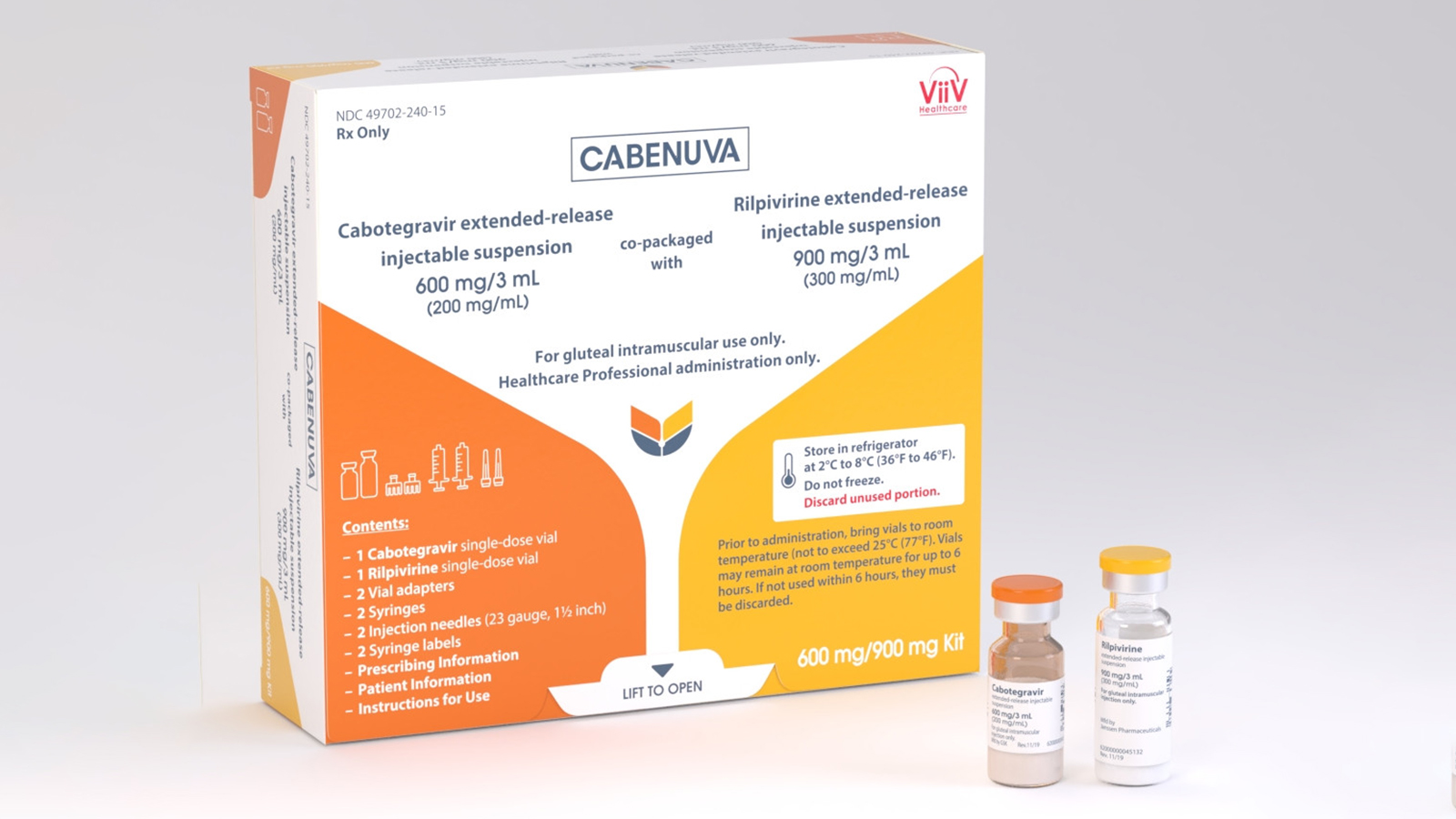
A new long-acting HIV treatment showed comparable effectiveness to daily oral medication in maintaining viral suppression among patients with adherence issues in Africa, according to a phase IIIb trial published in the New England Journal of Medicine. The study, known as IMPALA, involved 540 adults with HIV across seven sites in Kenya, South Africa, and Uganda and found that 91% of participants receiving long-acting cabotegravir/rilpivirine had a viral load below 50 copies/mL at 48 weeks, compared to 89.2% of those on oral dolutegravir-based therapy, meeting the noninferiority criterion.
Only five participants in the long-acting therapy group experienced confirmed virologic failure, while none in the oral therapy group did. The study adds to evidence supporting long-acting therapy for individuals facing challenges with adherence to treatment, engagement, or both. Long-acting injectables can potentially improve adherence by eliminating the need for daily self-administration and direct tracking by clinicians.
However, they require more frequent clinic visits, complex storage, and a higher resistance risk. Despite the risks, 93.6% of participants who received long-acting injectable therapy preferred this approach over their previous oral regimen.
Written by urgent.news from MedPage Today's reporting — not their text. Machine-written — may contain errors; check the original before relying on it.