Iran may face new strike before US midterm elections, says IRGC spokesman
Iranian Revolutionary Guard spokesman Hossein Mohibi warns of a possible new attack on Iran before the upcoming US midterm elections.
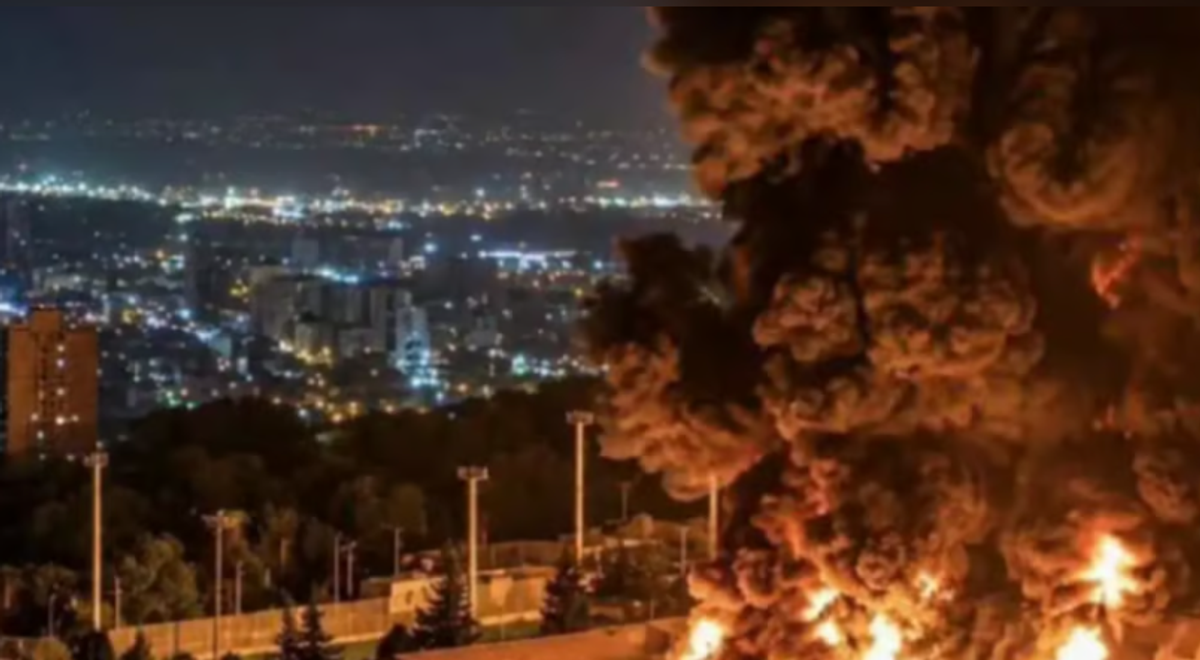
As election season approaches in both Israel and the United States, the influence of politics on military decisions and vice versa becomes increasingly apparent. The prospect of war with Iran has become a significant factor in both countries' electoral campaigns, with each side grappling with the potential consequences of military action on their respective political outcomes.
In Israel, Prime Minister Benjamin Netanyahu has been under intense pressure to take action against Iran before the October 27 election and the November 4 US midterms. While the Prime Minister's Office denies that Netanyahu is attempting to launch a pre-election war, rumors of discussions between Netanyahu and US President Donald Trump fuel the speculation.
These reports suggest that Netanyahu may have pressured Trump to approve attacks on Iran before the elections, while American officials claim that it was Trump who initiated the conversation about renewed fighting.
The Israeli security establishment has expressed concerns about the timing of any military operation, warning that a pre-election conflict could delay the country's vote. This adds to the already heated debate surrounding Netanyahu's potential motivations for launching a military campaign. His opponents have long accused him of using military action to delay the vote, and the threat of a preemptive strike against Iran has become a central issue in the Israeli political landscape.
The issue extends beyond Iran, with Netanyahu warning that Iran's enemies may attempt to test Israel's resolve before the elections. The prime minister's assertion that Israel's military is prepared for various scenarios, including Palestinian security forces turning their weapons against Israel, further underscores the growing tension between politics and defense.
In the United States, President Trump has vowed not to resume attacks on Iran before the November 3 midterms, citing concerns about the potential impact on the oil market. However, Iran has responded with increased military posturing, including the deployment of new tactics to target ships in the Strait of Hormuz, in an attempt to keep oil prices high and influence the US election outcome.
As the threat of war looms over both elections, the question remains: will military action benefit the political leaders involved, or will it ultimately harm their campaigns? While a successful military campaign could reinforce Netanyahu's reputation as a tough negotiator against Iran, a failed or disastrous operation could have the opposite effect, damaging his electoral prospects.
Meanwhile, Trump's efforts to avoid a market shock before the midterms could inadvertently lead to increased tensions with Iran, potentially benefiting Iranian tactics at home and abroad.
Ultimately, the interplay between war and elections presents a complex and ever-evolving challenge for both Israel and the United States. As the political landscape shifts in response to military developments, the public must sift through the competing narratives to discern the true motivations behind each action, lest the election cycle overshadow the very issues at stake.
Written by urgent.news from Jerusalem Post's reporting — not their text. Machine-written — may contain errors; check the original before relying on it.
This story
This is one outlet's version. Read the fullest account.