India's Semiconductor Push Faces Critical Materials Challenge: Ashwini Vaishnaw
India's reliance on imported critical materials remains a major challenge to its ambition of achieving technological sovereignty, Union Electronics and Information Technology Minister Ashwini Vaishnaw said on Wednesday. Speaking at the Bloomberg New Economy Forum in New Delhi, Vaishnaw highlighted the need to strengthen domestic capabilities in semiconductor materials, chemicals, gases and…
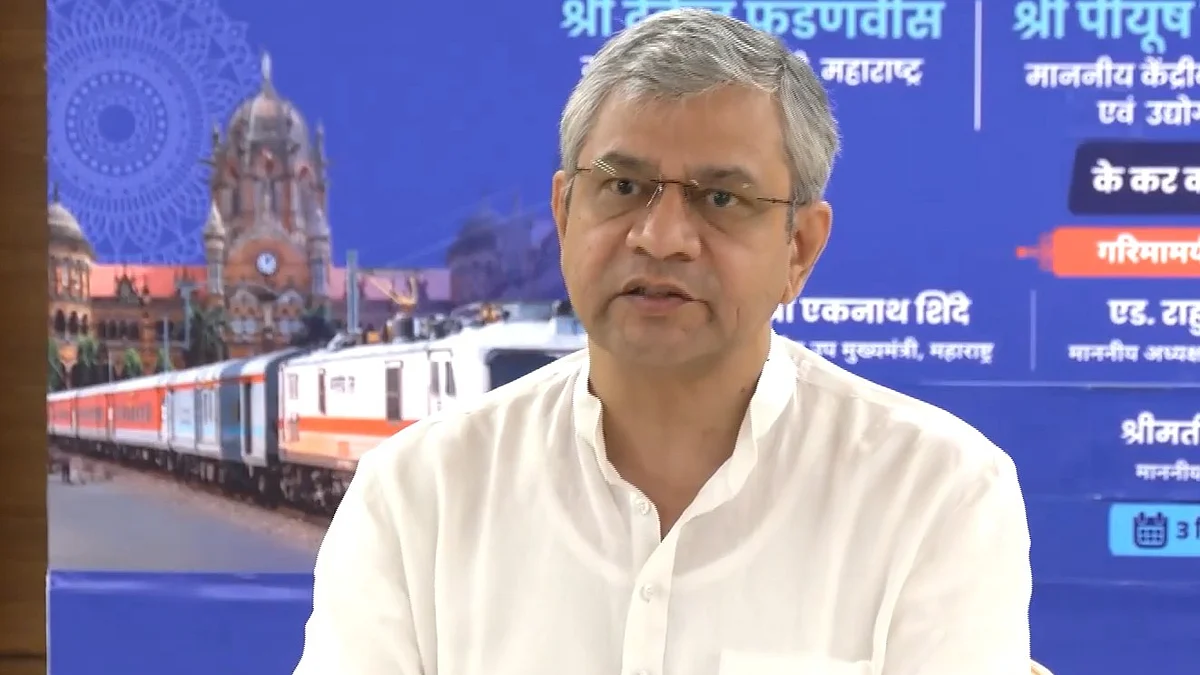
India's ambition for technological sovereignty faces a critical challenge due to its heavy reliance on imported semiconductor materials, according to Union Electronics and Information Technology Minister Ashwini Vaishnaw. Speaking at the Bloomberg New Economy Forum, Vaishnaw emphasized the urgent need to bolster domestic capabilities in the production of semiconductor materials, chemicals, gases, and substrates.
He cautioned that the concentration of essential technology supply chains in select countries could jeopardize India's prospects as a reliable global manufacturing partner.
Recognizing critical materials as a major dependency affecting the semiconductor industry, Vaishnaw highlighted India's lag behind countries with established material ecosystems. These nations have invested over two decades in developing expertise in manufacturing and processing these specialized materials. To bridge this gap, the second phase of India's semiconductor program, Semicon 2.0, announced in July 2026, is set to receive a budget of Rs1.27 lakh crore. This program aims to strengthen domestic supply chains for crucial manufacturing inputs.
Vaishnaw outlined India's evolving strategy, progressing from assembling finished products to producing modules, components, materials, and ultimately, capital equipment. He stressed the importance of creating integrated industrial ecosystems, drawing parallels with railway systems and defense manufacturing. While acknowledging India's competitive strengths in chip design, the minister acknowledged that advanced technology manufacturing would remain interconnected on a global scale.
However, geopolitical shifts and cybersecurity concerns are increasingly shaping sourcing decisions, making trust a key factor for companies selecting technology partners.
India seeks to leverage its established strengths in information technology and product design to establish itself as a dependable destination for advanced technology manufacturing, all while maintaining participation in global value chains.
Written by urgent.news from Free Press Journal's reporting — not their text. Machine-written — may contain errors; check the original before relying on it.