‘I bathe, wash dishes, apply make-up’: Japan’s PM says busier than men who came before
Japan’s prime minister said on Wednesday she probably spent “three or four more hours” than her male predecessors tackling household duties on top of her already packed daily schedule. “In the morning, I bathe, fix breakfast and then wash dishes, not to mention apply make-up,” Sanae Takaichi, elected last year as Japan’s first woman prime minister, told parliament. “I feel like I’m spending three…
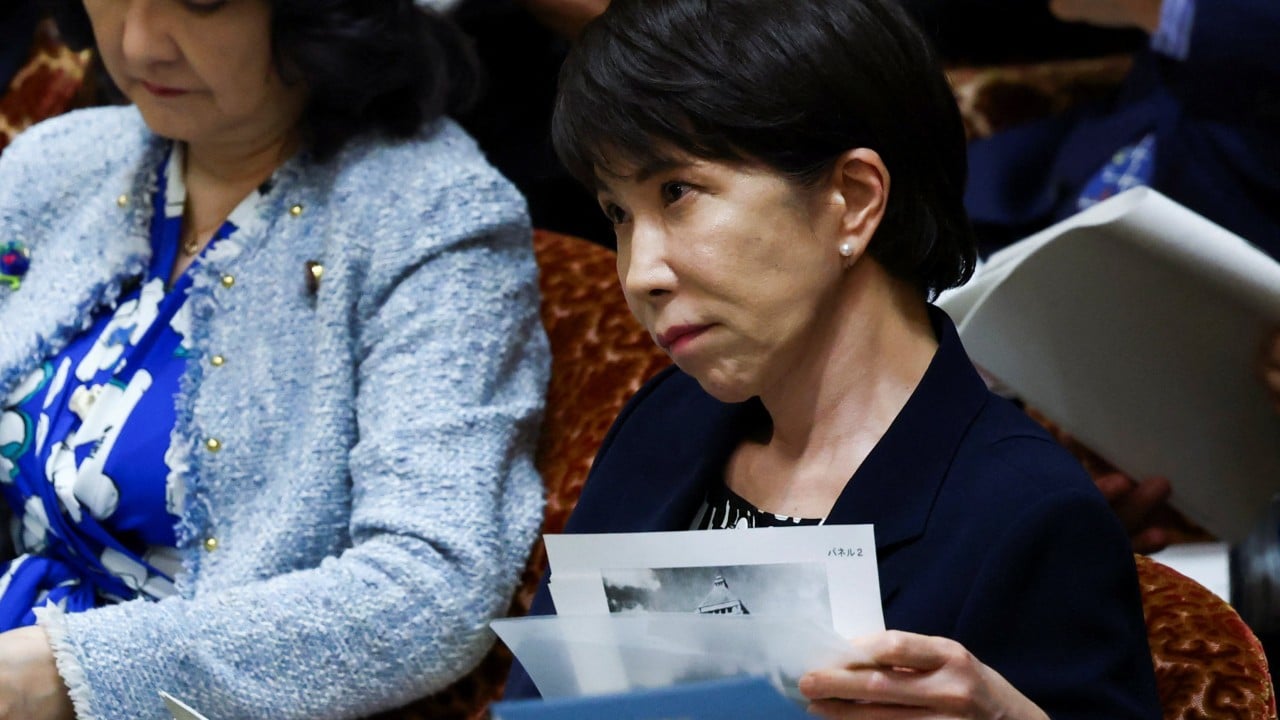
TOKYO: Japan's newly appointed Prime Minister, Sanae Takaichi, disclosed on Wednesday that she spends more time on household chores compared to her male predecessors. The duties include bathing, preparing breakfast, washing dishes, applying makeup, and more. Takaichi, Japan's first female premier, mentioned that she feels she is spending three or four extra hours daily on these tasks than her male counterparts.
A self-described workaholic, Takaichi has previously admitted to sleeping only two to four hours a night and sometimes holding 3am staff meetings. Gender roles are traditionally rigid in Japan, and women are significantly underrepresented in politics. In the last lower house election in February, only 68 women lawmakers were elected out of 465 seats.
During a discussion on the long hours Japanese prime ministers typically dedicate to parliamentary sessions, ruling coalition member Fumitake Fujita of the Japan Innovation Party raised the topic of Takaichi's work schedule. Fujita pointed out that the Japanese leader attended parliamentary sessions for 72 days in 2022, compared to 50 days in the UK and 13 in Germany.
While appreciating the significance of legislative discussions, Fujita expressed concern that Takaichi's long hours in parliament are not aligned with global norms.
In a post on X in July, Takaichi admitted to being "consumed until dawn" with reading documents from work and those related to parliamentary questioning. Despite enjoying the process, she admitted it was challenging to find time to think clearly about the future direction of the country or her vision for it.
Written by urgent.news from New Straits Times's reporting — not their text. Machine-written — may contain errors; check the original before relying on it.
This story
This is one outlet's version. Read the fullest account.