How do heart valves last so long?
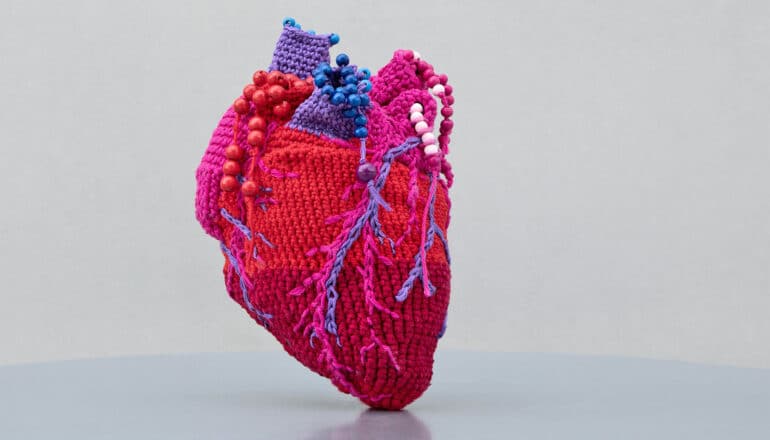
A recent study sheds light on the remarkable durability of heart valves. Collagen, a key component, provides structural strength, while surrounding enzymes typically break down collagen. However, heart valves remain robust despite undergoing numerous opening and closing cycles each year. Hsiao-Ying Shadow Huang, the lead author of the paper from North Carolina State University, explains that biomechanical tension applied during heartbeats plays a crucial role in preserving collagen.
"We know that collagen is critical for keeping heart valves strong, and that the leaflets in a heart valve open and close millions of times every year." When heart disease disrupts valve function, the integrity of these leaflets deteriorates rapidly. To investigate the reasons behind this, the researchers conducted experiments on pig hearts, varying the strain levels and collagenase concentrations.
They discovered that maintaining a specific strain ratio—70% lengthwise and 20% laterally—protects the collagen from degradation, even in the presence of high collagenase levels. Altering this strain ratio led to collagen breakdown. This discovery reveals a biomechanical protective mechanism crucial for maintaining heart valve health, especially during normal heartbeats.
The study, published in the Journal of Biomechanical Engineering, offers valuable insights into heart function, failure, and potential engineering solutions for heart valve replacements.
Written by urgent.news from Futurity's reporting — not their text. Machine-written — may contain errors; check the original before relying on it.