Hannah Fry: How OpenAI has caused an existential crisis in mathematics
OpenAI has been throwing everything at solving long-standing maths problems. This should have been a glorious moment for mathematicians – but instead we're having a massive collective wobble, says New Scientist's new columnist, professor Hannah Fry
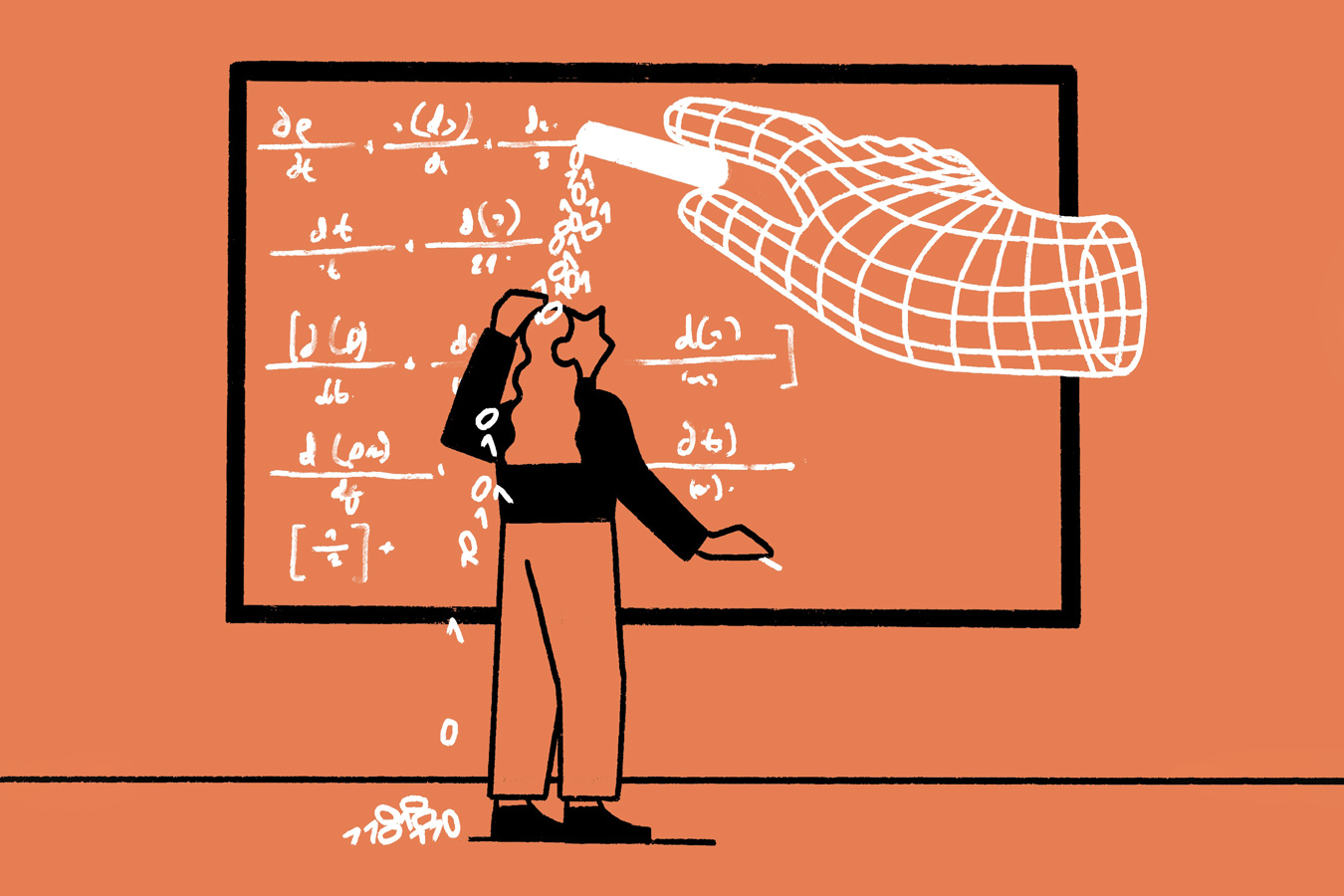
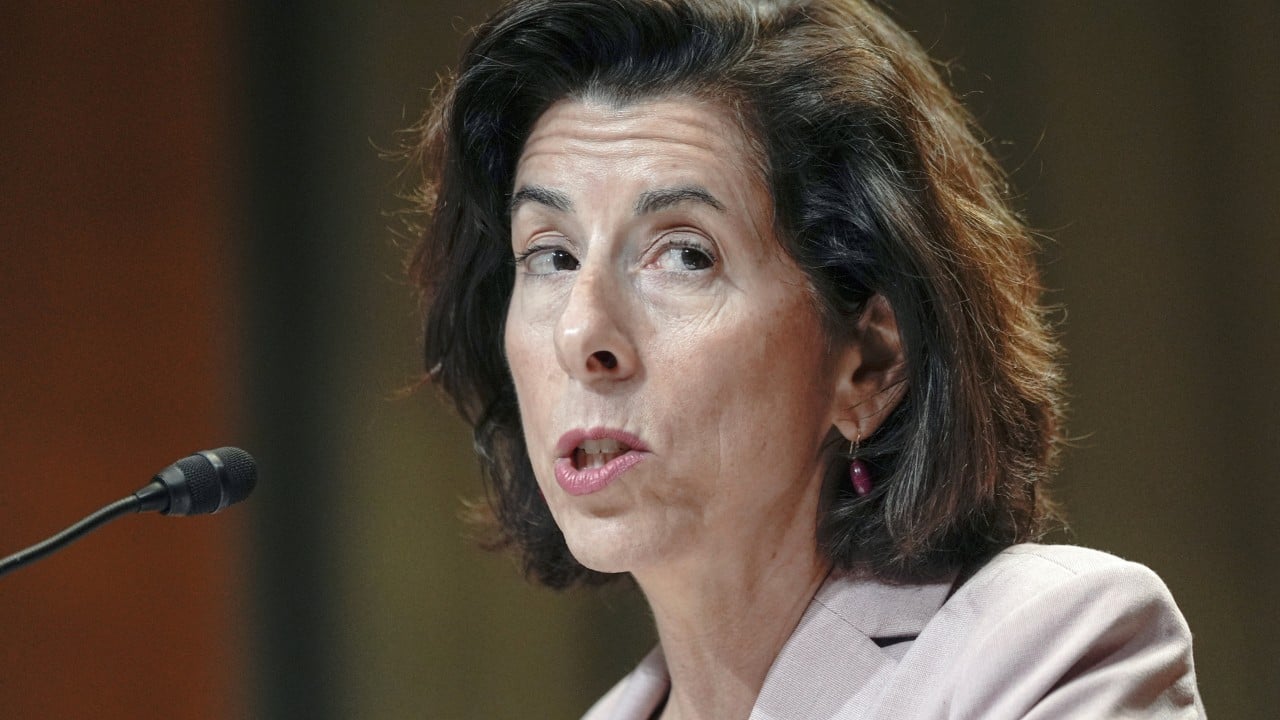
Hannah Fry, a mathematician, recounts her encounter with a professor who warned her about the risk of appearing too accessible due to her public engagement with mathematics. She muses on his words, acknowledging his advice while also realizing that he was partially correct when he foresaw an existential crisis for her field. Recently, the rise of AI agents, particularly OpenAI, has caused a seismic shift in the mathematical community.
OpenAI's announcement that they had found proofs for hundreds of long-standing mathematical problems, including the Navier-Stokes equations and the Reimann Hypothesis, sent shockwaves through the academic world. The Navier-Stokes equations, a set of equations that describe the motion of fluid substances, have long captivated mathematicians due to their complexity and beautiful simplicity.
However, the equations contain a feedback loop that could potentially cause them to break down at extreme speeds. After years of research, several groups of mathematicians had developed partial solutions, but OpenAI's unconventional approach, utilizing 10,000 AI agents, provided the final proof. The solution, however, is nearly incomprehensible, spanning 166 pages of intricate symbols and formal code.
This development has left many mathematicians feeling overwhelmed, questioning their role and purpose in a world where AI can seemingly solve problems faster and more efficiently than humans.
Written by urgent.news from New Scientist's reporting — not their text. Machine-written — may contain errors; check the original before relying on it.