H-1B, L-1 visa extensions may face greater scrutiny as USCIS seeks to end deference to earlier approvals
The DHS published a proposed rule on October 14 seeking to remove Section 8 CFR 214.1(c)(5), which requires immigration officers to generally respect earlier eligibility determinations when the same parties and underlying facts are involved.
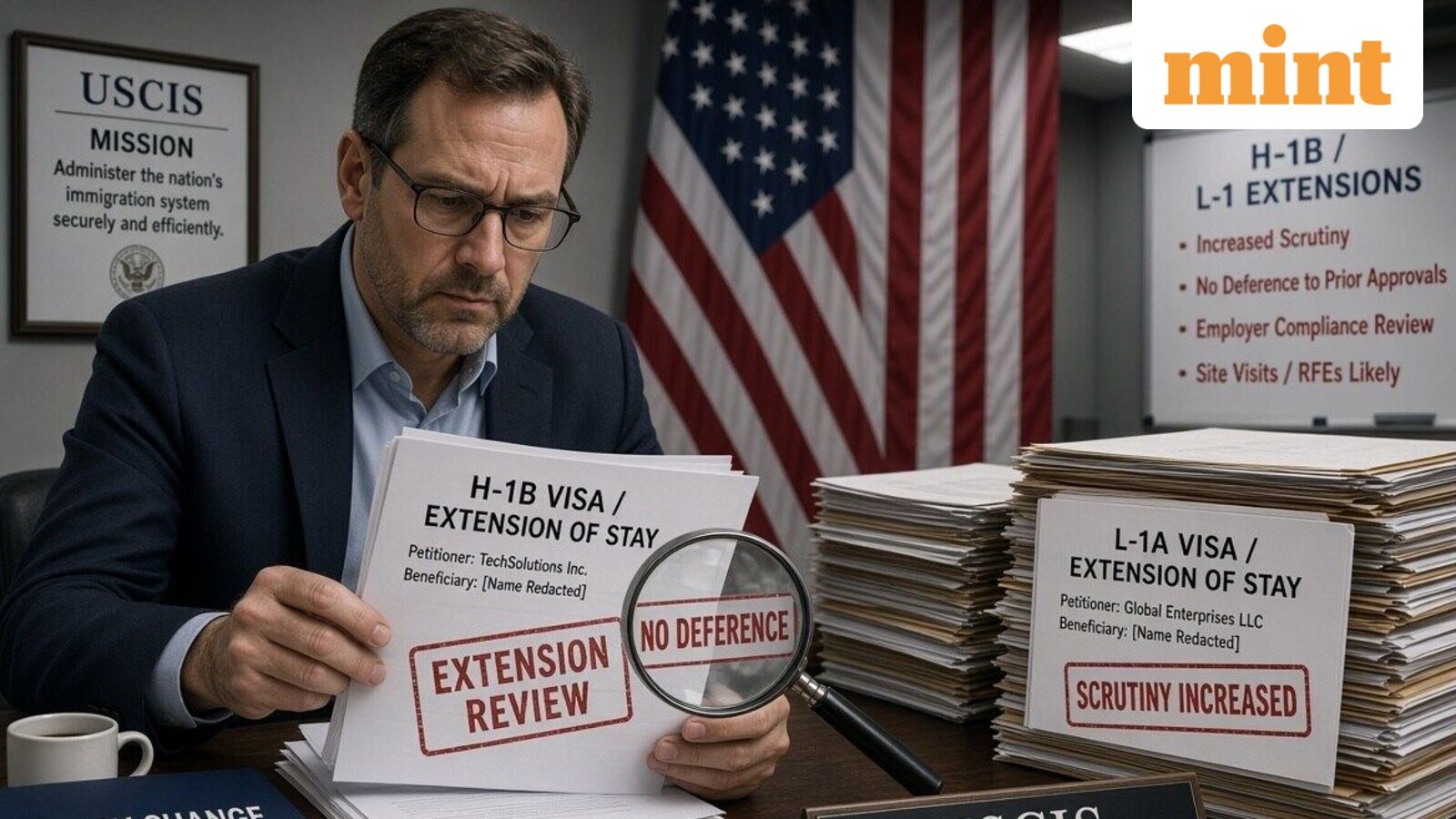
The Trump administration has proposed eliminating a rule that allows US immigration authorities to defer to earlier eligibility decisions when processing certain nonimmigrant worker petition extensions. This change, published by US Citizenship and Immigration Services (USCIS), would require officers to independently assess evidence and eligibility in each case, even if a similar petition had been approved before.
The proposal, open for public comment until November 13, 2026, aims to strengthen immigration integrity, improve fraud detection, and better protect US workers' interests. Under the current regulation, USCIS generally gives deference to previous eligibility determinations when an employer seeks an extension for the same worker and employer.
However, officers can depart from the earlier decision if they find material errors, significant changes, or new information affecting eligibility. The proposed rule would remove this requirement for Form I-129 petitions, which cover H-1B and L-1 workers among other classifications. While the change would still allow officers to consider previous approvals when relevant, it would not obligate them to do so.
DHS argues that the existing deference policy may encourage employers to assume approved petitions will face less scrutiny during extensions, potentially leading to outdated information or fraud going uncaught. The department estimates that removing the deference provision could result in about 6,044 additional requests for evidence (RFEs) annually, costing petitioners approximately $133,987 in additional response costs.
However, DHS also warns that the change may increase operational workload and processing capacity, potentially putting further pressure on USCIS.
Written by urgent.news from Live Mint's reporting — not their text. Machine-written — may contain errors; check the original before relying on it.