Guinea-Bissau says it has not approved hepatitis B vaccine trial in newborns
Guinea-Bissau's transitional government said Tuesday it has not approved a proposed clinical trial of a hepatitis B vaccine in newborns, denying reports that the study had been authorised.
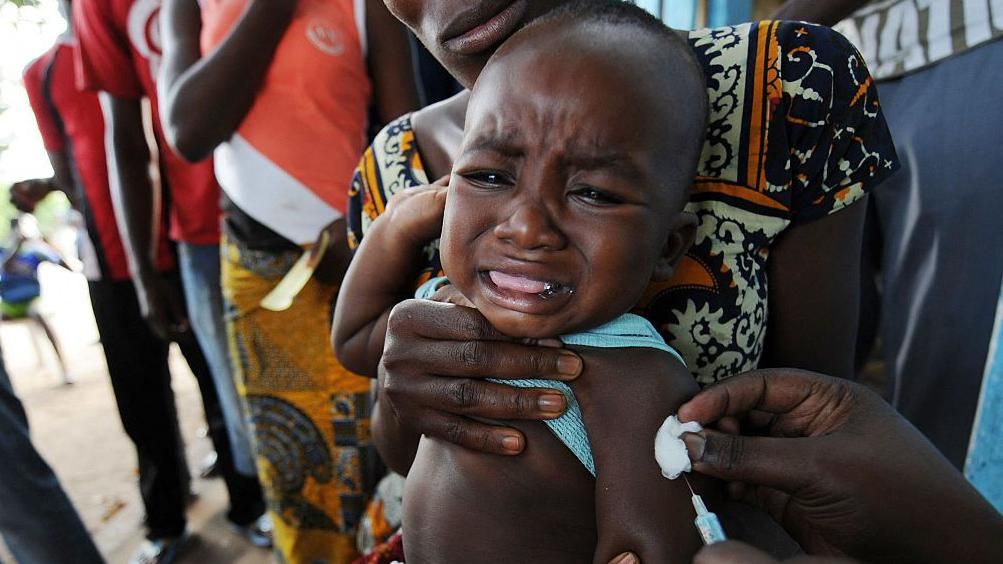
In a recent development, Guinea-Bissau's transitional government has denied approving a proposed clinical trial of a hepatitis B vaccine in newborns, contradicting previous reports that suggested the study had been authorized. The denial came in response to news coverage indicating that the US-funded study, aimed at assessing the effects of administering the hepatitis B vaccine at birth, would proceed in the West African nation.
This proposed trial sparked controversy earlier this year, with scientists raising ethical concerns over the fact that some newborns involved in the study would not receive the vaccine, which is known to be safe and effective in reducing the high rates of hepatitis B in the country. The illness is often transmitted from mother to child during childbirth and can lead to severe health issues such as liver failure and cancer.
During a press conference in the capital, Guinea-Bissau's health minister, Quinhin Nantote, confirmed that the government had not yet authorized the trial. Nantote emphasized that any scientific research involving human participants, especially children, must adhere strictly to national legislation, international ethical principles, competent evaluation, and approval mechanisms.
The Africa CDC Director General, Dr. Jean Kaseya, had previously informed journalists that Guinea-Bissau officials had requested assistance with an additional ethical and technical review of the trial. The US Department of Health and Human Services also firmly denied that the trial had received approval, stating, "The study has not been approved" in a recent statement.
The proposed trial sought to investigate the potential "non-specific effects" of vaccines, including skin disorders and neurodevelopmental disorders such as autism, as outlined in the study details published online.
Rewritten by urgent.news; may contain errors — check the original.
Sources: myjoyonline.com · theguardian.com