Govt must intervene in Ghana football despite FIFA fears – Kudjoe Fianoo
Former Ghana League Clubs Association (GHALCA) chairman Kudjoe Fianoo has challenged Ghana to reconsider its fear of FIFA sanctions, arguing that concerns over the world governing body’s regulations should not prevent efforts to address the country’s declining football fortunes. Mr Fianoo believes Ghana cannot continue to watch its football deteriorate because of fears that government […]
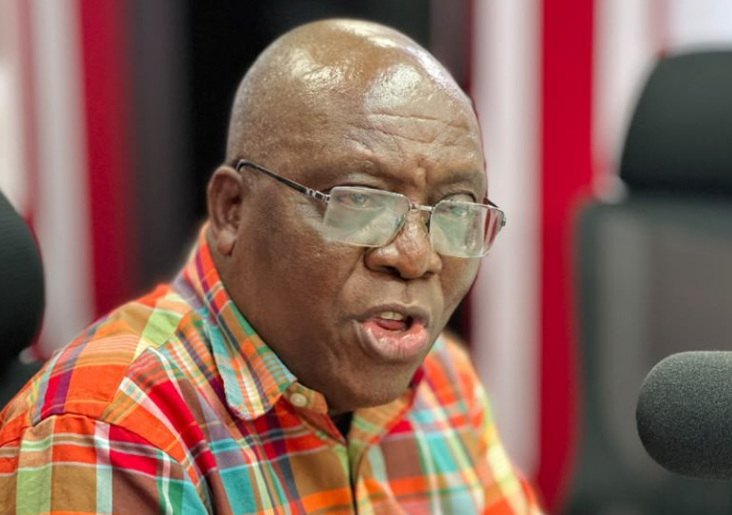
Former Ghana League Clubs Association chairman Kudjoe Fianoo has urged the government to intervene in Ghana's football administration, despite fears of sanctions from FIFA. Mr Fianoo asserts that Ghana cannot allow its football to deteriorate due to worries that government involvement might attract FIFA penalties. "If it is because of FIFA, our football is collapsing, and because we fear FIFA, we cannot rescue our sinking ship, then we should stop this conversation," he told Graphic Sports.
Fianoo argued that as a sovereign nation, Ghana has the right to demand accountability from those managing the sport, particularly when public funds are used for the national teams and infrastructure development. His remarks have sparked discussions on the balance between the GFA's independence and the government's financial responsibilities towards football.
FIFA regulations prohibit excessive external influence on member associations, with potential sanctions for violations. However, Fianoo contends that these rules should not protect football administrators from public accountability, especially when taxpayer money supports the sport. He has consequently called for a major overhaul of football funding, urging the GFA to become commercially viable and self-sufficient if it insists on operating independently of government intervention.
Mr Fianoo suggested that football supporters and other stakeholders organize peaceful demonstrations to demand reforms. His intervention follows a period of scrutiny over the leadership of GFA president Kurt Simeon-Okraku, as Ghana's national teams' performances have declined. Despite the women's teams' recent successes, the men's national teams have struggled, with failures at the 2021 AFCON, 2022 FIFA World Cup, and 2025 AFCON.
The latest AFCON qualifying campaign has further strained the situation, with defeats leaving Ghana without a point after two matches in the race for the 2027 tournament. The challenges extend to the national youth teams, which have also experienced setbacks in recent tournaments.
Despite these setbacks, Ghana's women's teams have shown some promise, with the Black Queens winning the Pink Ladies Cup, the Black Princesses finishing third at the 2026 FIFA Under-17 Women's World Cup, and the Black Maidens qualifying for the 2026 edition. However, the disparities in fortunes have raised questions about Ghanaian football's direction and the effectiveness of its development structures.
Fianoo's proposal emphasizes the need for accountability, challenging the GFA to prove its ability to achieve sustainable progress while maintaining its independence.
Written by urgent.news from Adom Online's reporting — not their text. Machine-written — may contain errors; check the original before relying on it.