Government to use El Niño findings to strengthen drought planning
Government will use recommendations from an agricultural roundtable to prepare for a potentially severe 2026/27 El Niño, with rain-fed farmers in several grain-producing provinces considered particularly vulnerable.
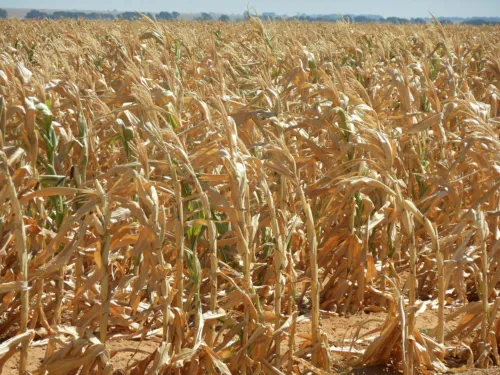
Government will utilize insights from a recent agricultural roundtable to enhance drought preparedness strategies as a potentially intense El Niño event looms over South Africa’s 2026/27 summer season. The meeting, convened by Presidential Envoy on Agriculture and Land Wandile Sihlobo in Pretoria on Monday, highlighted the Free State, North West, Mpumalanga, and Limpopo as areas most at risk from hotter and drier conditions.
Despite the strong El Niño forecasted, the agricultural sector is currently in a better position compared to the 2015/16 drought, owing to favorable dam levels, soil moisture, grain reserves, and advancements in farming technology.
Sihlobo, speaking after the roundtable, emphasized that climatologists have warned the major grain-producing regions, including the aforementioned provinces, face the most significant risks. The roundtable, organized by Sihlobo in collaboration with the National Agricultural Marketing Council (NAMC) and supported by Bayer, gathered producer organizations, researchers, agribusinesses, and government representatives to examine the risks and potential responses.
Discussions also covered lessons learned from the 2015/16 drought, implications for food security, and challenges currently faced by both commercial and smallholder producers.
Forecasts indicate a strong El Niño, with the possibility of effects emerging earlier than usual. The impact is anticipated to be particularly severe for farmers reliant on rainfall rather than irrigation, particularly in major grain-growing areas. Participants expressed concern over the potential threat to grazing and farmers' incomes, beyond the expected effects on crops.
While dam levels are currently high at around 90% as of 5 October, NAMC Chief Executive Simphiwe Ngqangweni cautioned that this may not be sufficient for rain-fed farmers.
Recent rainfall has helped replenish soil moisture, and investments in precision agriculture, mechanization, conservation practices, and improved seed technology have bolstered the sector since the previous major drought. However, farmers are already grappling with high costs for fertilizers, fuel, and financing. Smallholder and emerging producers are especially vulnerable due to challenges in obtaining affordable insurance, maintaining cash flow, and securing production finance.
Key recommendations from the roundtable include the establishment of more robust early warning systems to inform farmers about necessary adjustments, conservation of soil moisture, improved water management, crop diversification, and investment in infrastructure resilient to dry conditions. Special attention was given to smallholder producers, who require support in accessing finance, insurance, risk-management tools, and climate-smart technologies.
Coordination among the government, agricultural organizations, financial institutions, and researchers was emphasized as crucial to implementing these recommendations and enhancing sector resilience during the 2026/27 production season.
Written by urgent.news from IOL's reporting — not their text. Machine-written — may contain errors; check the original before relying on it.