Futureless Russia
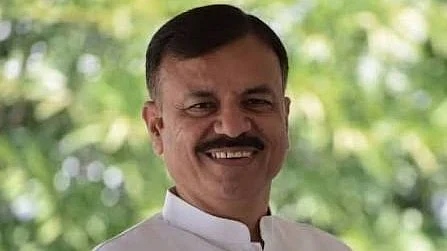
On Sept. 25, a Moscow court sent the political analyst Alexander Kynev to pretrial detention for "large-scale illegal drug production, sale, and trafficking" — a charge that could land him in prison for 10–20 years. But no evidence of Kynev's involvement in illegal drugs has been made public. A leading expert on regional political processes and electoral systems, Kynev has long reported on…
On September 25, a Moscow court sentenced political analyst Alexander Kynev to pretrial detention for large-scale illegal drug production, sale, and trafficking. However, Kynev's alleged involvement in drug-related activities has not been made public. Kynev is a prominent expert on regional political processes and electoral systems, known for reporting on election fraud in Russia.
He has openly supported the New People party, a Kremlin-backed project launched in 2020 to absorb protest votes, particularly from young people. Kynev previously worked at the independent vote-monitoring organization Golos, which was later shut down under Kremlin pressure. Last month, Kynev criticized Duma elections, in which United Russia party secured an unprecedented 349 out of 450 seats.
Following the criticism, he was arrested and reportedly beaten in custody, requiring treatment for a fractured tibia in a prison hospital. While the arrest of a Kremlin critic on trumped-up charges is not uncommon, Kynev is not considered a typical target. His arrest is seen as an attempt to silence him, as his analysis has long been an accepted barometer for public sentiment.
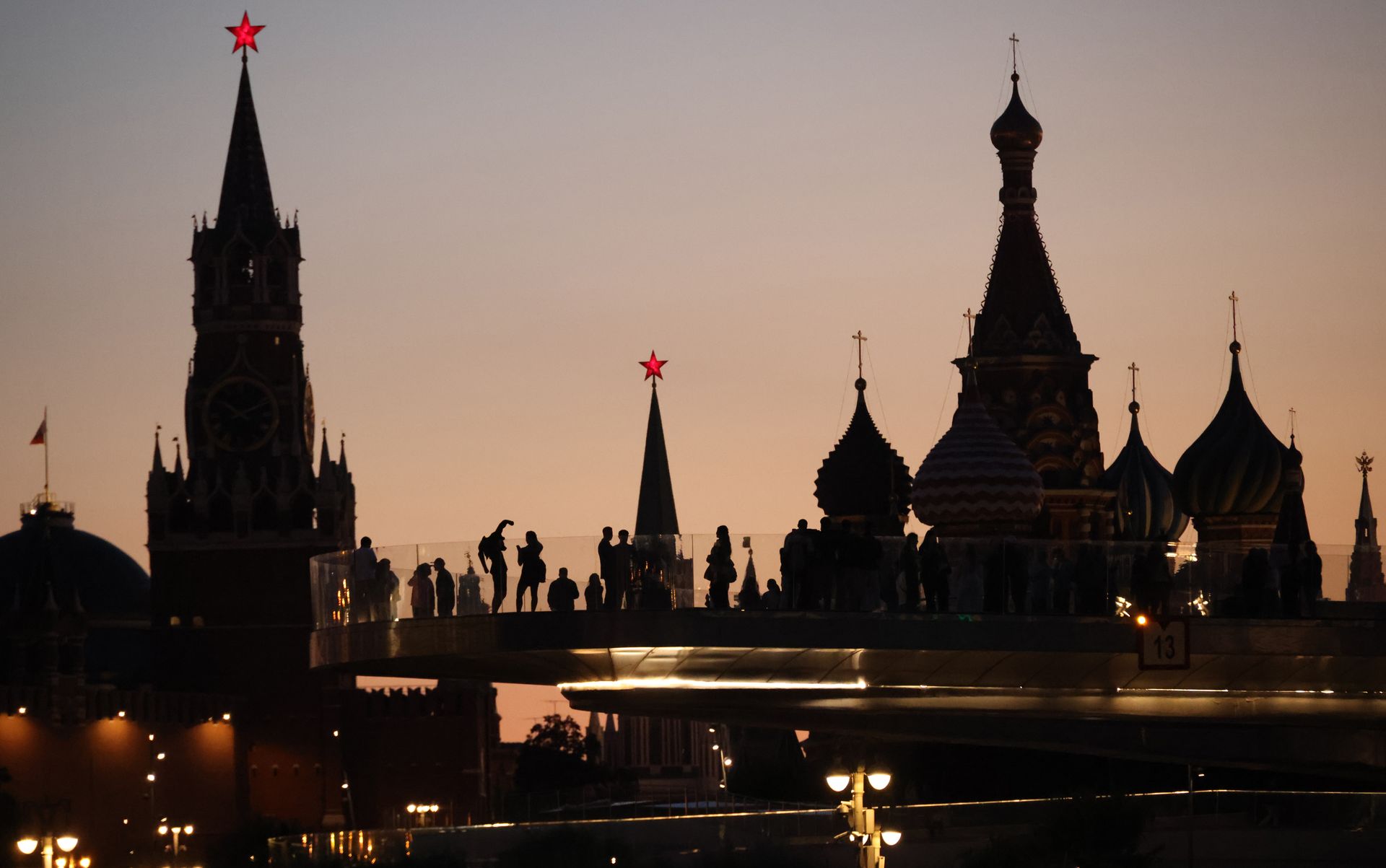
The arrest highlights the regime's efforts to insulate President Vladimir Putin from inconvenient information, such as potholes, regional budgets, and provincial elections. Russia's political landscape has become "in vitro," with Putin seemingly leading from within a glass jar, surrounded by a false reality that serves his interests.
However, outside the jar, Russia's economy is facing severe challenges, including slow growth, business struggles, high borrowing costs, and deteriorating infrastructure. The country's leadership seems unable to contain the unraveling of the state apparatus, reminiscent of past periods of terror, such as Ivan the Terrible's oprichnina and Stalin's Great Terror.
These episodes ultimately led to their own downfall as leaders realized the self-destructive nature of unchecked terror. However, Putin remains unaware of this, and the state apparatus continues to fortify itself, leveraging resources and capabilities to maintain control. The situation serves as a warning, similar to Russia's Smuta period, urging the country to prepare for the future by investing in high-tech fields and education.
Written by urgent.news from Kyiv Independent's reporting — not their text. Machine-written — may contain errors; check the original before relying on it.