From pilot to policy: how “Digital Eye” helped shape FBR’s production-monitoring framework
The Federal Board of Revenue (FBR) is expanding production monitoring across Pakistan’s manufacturing sector, authorising new private technology providers and bringing additional industries within the country’s digital taxcompliance framework. The latest expansion, formalised through SRO 1751 of 2026, includes the leather, paper and paperboard industries. The FBR has authorised ISSM Labelling…
The Federal Board of Revenue (FBR) in Pakistan is expanding its production monitoring across the manufacturing sector, authorising new private technology providers and bringing more industries under its digital tax compliance framework. This latest expansion, formalised through SRO 1751 of 2026, now includes the leather, paper and paperboard industries alongside cement and sugar sectors.
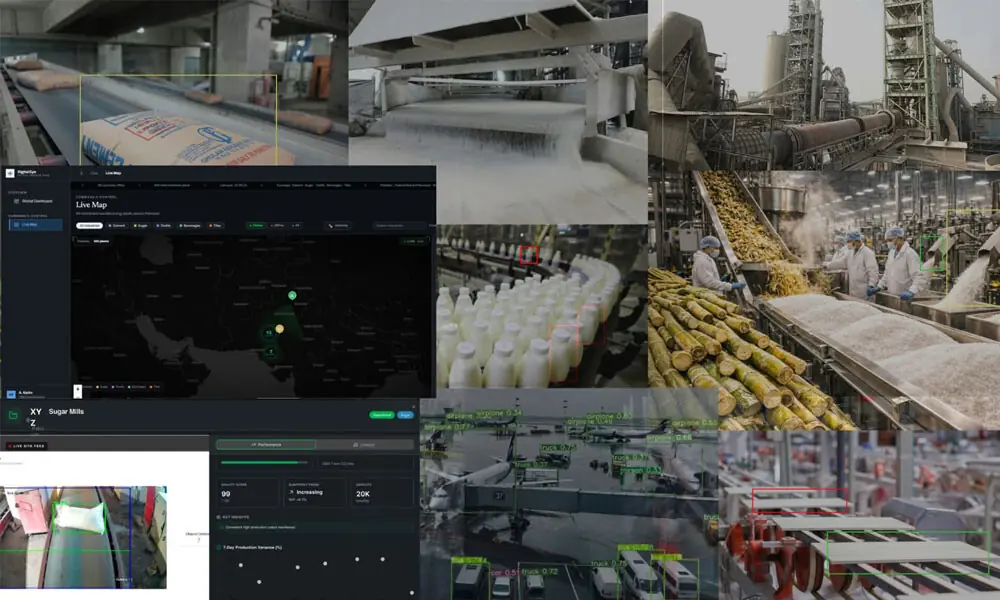
The FBR has authorised four vendors - ISSM Labelling Solutions, Obsidian Technologies, Tollink Pakistan and Authentik - to install, operate and maintain monitoring systems in designated sectors. These systems will employ Internet Protocol (IP) cameras and Network Video Recorders (NVRs) to record manufacturing activity in real time, retaining footage for at least two months.
This data will enable tax authorities to compare observed production activity with figures reported by manufacturers in their sales tax returns, with discrepancies potentially leading to verification, audit or other enforcement actions.
The current rollout represents a continuation of a technology journey that began about three years ago with a UK-government-supported pilot focused on the cement industry - known as Digital Eye. The pilot, developed by wAIIndustries, introduced a novel approach of using computer vision to observe and count production activity, providing a more adaptable method of monitoring output compared to traditional physical stamping and marking solutions.
Following the pilot's success, the approach caught wider government attention, leading to its adoption in the cement and sugar sectors. The technology's flexibility and cost-effectiveness helped create the case for broader adoption, with the FBR now opening the framework to additional industries and technology providers. This expansion is part of wider tax-administration reforms aimed at improving sales tax declarations and strengthening revenue mobilisation, and also aligns with Pakistan's engagement with the International Monetary Fund.
Written by urgent.news from Business Recorder's reporting — not their text. Machine-written — may contain errors; check the original before relying on it.