FM Sitharaman ready to hear out stock market tax debate
Finance Minister Nirmala Sitharaman expressed interest in the discussions surrounding stock investment taxes and their implications. She mentioned that changes to these taxes are highly anticipated ahead of the Union Budget. Additionally, Sitharaman noted that the Reserve Bank of India is working to manage rupee volatility through specific measures. She emphasized the importance of maintaining…
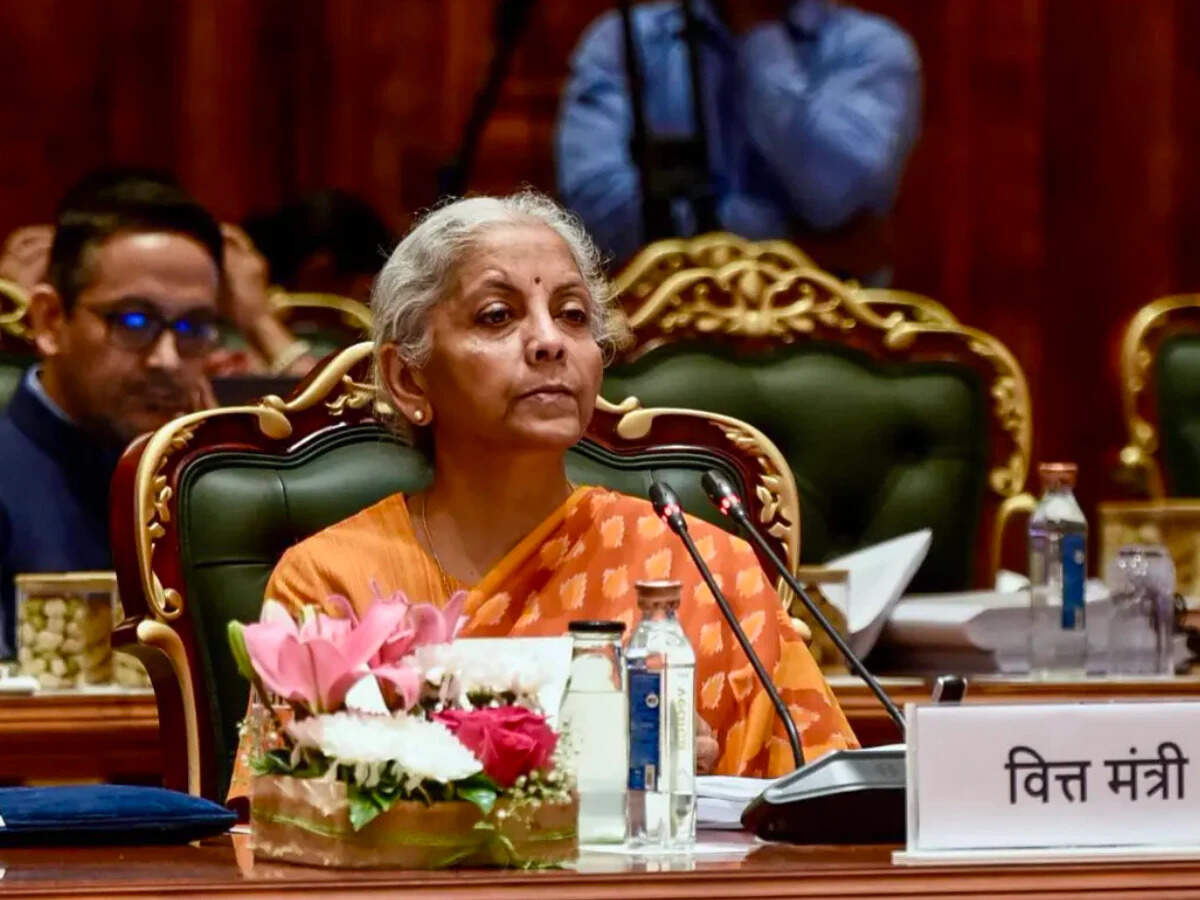
Finance Minister Nirmala Sitharaman expressed openness to discussing potential changes to stock investment taxes, including long-term capital gains (LTCG) and securities transaction tax (STT), during a debate at the Bloomberg New Economy Forum in New Delhi on Tuesday. The ongoing discussions fueled speculation of possible alterations to the current tax system, which had previously caused a lackluster market performance in the afternoon.
Sitharaman, however, refrained from providing specific details, citing the upcoming Union Budget scheduled for February as the reason. She stated, "It may not be the best time for me to say what I will or will not consider," during her address at the forum.
The Reserve Bank of India (RBI) is actively working to prevent rupee volatility through various measures, rather than fixing a specific exchange rate. Sitharaman emphasized that fiscal discipline would not be a cause for concern among investors and that the government aims to maintain strong economic fundamentals.
In the context of the ongoing debate, Sitharaman pointed out that sectors such as renewable energy, semiconductors, chip design, biosimilars, pharmaceuticals, and generic drug manufacturing are attracting both domestic and foreign private capital. She also addressed the contentious issue of securities transaction tax, explaining that India levies STT on stock market transactions and imposes capital gains tax when profits are realized.
Market experts have argued that this results in double taxation, and a debate has ensued regarding whether the government should adopt a single taxation approach.
Regarding the significant depreciation of the rupee over the past one and a half years, Sitharaman attributed it to external challenges and global uncertainties. The RBI recently announced several measures to curb the rupee's decline, such as creating a special window for oil marketing companies to alleviate US dollar demand from the spot market and tightening rules governing forex derivatives trades to mitigate speculative bets against the rupee.
Sitharaman reiterated that the RBI's efforts would continue, with the objective of allowing the rupee to find its own level, rather than being fixed by the central bank.
Written by urgent.news from The Economic Times - Economy's reporting — not their text. Machine-written — may contain errors; check the original before relying on it.
Also reported by 1 other outlet
- FM Sitharaman ready to hear out stock market tax debate economictimes.indiatimes.com