Field trip tragedy shows Israel needs answers, not a blame game - editorial
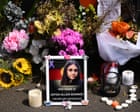
Wilensky was killed, and 24 others were wounded, when one of the students picked up an unexploded Hezbollah bomb and put it in his backpack.
A school field trip to the Naftali Mountains Forest northeast of Tel Aviv tragically ended on Monday with the death of 14-year-old Elazar Yair Wilensky and injuries to 24 others, after a student picked up an unexploded Hezbollah bomb from the ground. This incident has sparked questions about how such a dangerous situation occurred, leading to calls for answers rather than blame.
The Education Ministry approved the hike despite the area being marked closed by Keren Kayemeth LeIsrael, the NGO responsible for maintaining the Naftali Mountains Forest. The approved route allegedly passed through the area with lethal unexploded ordnance. Moreover, KKL warning signs at the site reportedly failed to clearly warn of the danger.
When the group strayed from the approved route, Education Minister Yoav Kisch suggested, who was responsible for that decision and why remains unclear. These questions demand a thorough investigation, determining who knew what, issued which instructions, if they were crystal clear, and if they were followed.
The ongoing conflict has left remnants of rockets, drones, and unexploded munitions scattered across the country. While some objects may appear harmless, they could arouse curiosity in children, who are often the victims of such mishaps. Clearing forests and open spaces will require substantial resources, sustained attention, and coordinated efforts.
Israel has the experience to protect children from war-related hazards. Authorities must ensure routes are safe before approving outings, while organizers must follow those routes and keep groups together. Hikers should know what to do if they encounter an unfamiliar object: do not touch it, keep others away, and notify the police.
Such warnings have been effective in the past, when terrorist bombs exploded in cities across Israel. Public campaigns repeatedly warned Israelis about suspicious objects, teaching children not to touch abandoned items and adults to report them. Traffic stops for police sappers to deal with suspicious objects became a common sight in those years.
For today's landscape, public service announcements should become the centerpiece of the campaign. Constant repetition through radio, television, billboards, school briefings, and prominent signs at trail entrances will ensure all Israelis hear the warning. Children, parents planning outings, teachers preparing field trips, and the children themselves must all be educated about the danger of unexploded ordnance.
The Wilensky family deserves answers, and the public deserves action. Investigating the tragedy and launching a sustained awareness campaign must proceed concurrently. Neither should wait for the other; both need to begin immediately.
Written by urgent.news from Jerusalem Post's reporting — not their text. Machine-written — may contain errors; check the original before relying on it.