El recorte chino de coches enviados a la UE transmite confianza, no claudicación
Pekín acepta limitar las exportaciones porque confía en que sus grandes fabricantes puedan producir más en Europa
China might impose restrictions on vehicle exports to the EU, but this does not signify capitulation. Instead, the deal reached on Friday with Brussels indicates confidence from Beijing in BYD, Geely and other competitors to boost production in Europe. The government appears willing to sacrifice growth opportunities for smaller and slower competitors.
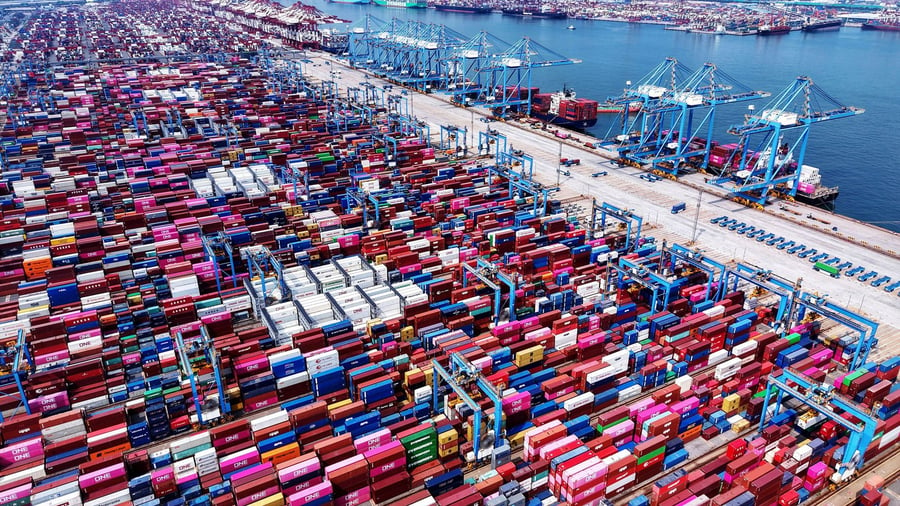
The pact could cut China's exports of hybrid cars, including electric and other models, by more than half. The plan, valid for four years, would initially limit shipments to 350,000 units annually, with a 6% annual increase starting from the second year. This is a larger blow than manufacturers could have anticipated. Hybrids made up 44% of China's vehicle exports to the region between January and July, according to European Automobile Manufacturers Association data.
Earlier reports suggested the restrictions would only target plug-in hybrids, which account for 10% of shipments. The measure significantly impacts short-term sales, as these cars constitute the fastest-growing export flow. If extrapolated to the entire year, the 380,000 hybrids produced in China and sent to the EU during the first seven months of 2026 could double sales this year, after a threefold increase last year.
European sales of these models make up about 8% of total output for SAIC Motor, 5% for BYD and 3% for Geely, analysts from Bernstein calculate. The details of the agreement are imprecise. The statements on Friday barely explained how a quota could be distributed among different brands and if the pact would cover all cars produced in the People's Republic or only those from Chinese manufacturers.
Regardless of the outcome, it seems clear that smaller brands, such as Li Auto and Xiaomi, which are only just beginning to plan their entry into Europe to counteract the decline in their domestic sales, face a much more difficult path. In contrast, companies that entered earlier are better positioned to reduce their dependence on exports.
Chery already assembles vehicles in Barcelona. BYD has a new plant in Hungary and is considering three more in the region. Geely reached an agreement in July to use Ford's factory in Valencia. SAIC is setting up in Spain. Far from representing capitulation, Beijing's agreement with Brussels revives confidence in the country's automakers.
The authors are Reuters Breakingviews columnists. The opinions are their own. The translation, by Carlos Gómez Abajo, is the responsibility of CincoDías.
Written by urgent.news from El Pais Economia's reporting — not their text. Machine-written — may contain errors; check the original before relying on it.