Drop in childhood vaccinations 'a dangerous trend' - GP
Recent figures show that Ireland is among a number of European countries recording a decrease in childhood vaccination rates.
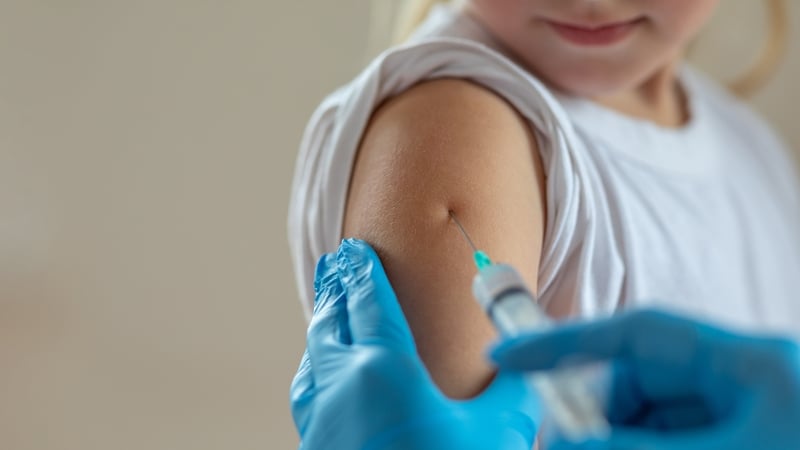
Recent statistics reveal that Ireland, along with other European nations, is experiencing a decline in childhood vaccination rates, sparking concerns over the resurgence of life-threatening diseases. This downward trend began roughly between 2019 and 2022, a period that overlaps with the Covid-19 pandemic. Dr. Máire Finn, a GP, suggests that the figures point to a post-pandemic hesitancy towards vaccines, but the underlying reasons are multifaceted.
Speaking on RTÉ Radio 1's Today with David McCullagh programme, Dr. Finn noted that vaccine hesitancy has been a persistent issue throughout history, not just in the modern era. Potential factors include scientific fatigue, institutional fatigue, and political polarization, among others.
However, Dr. Finn asserts that the current trend is particularly dangerous. She explains that diseases previously considered nearly eradicated are now reappearing. This resurgence is attributed to vaccine hesitancy, which arises from the lack of fear surrounding diseases that were once fatal or debilitating. Diseases such as measles, polio, rubella, and whooping cough remain significant threats, according to Dr. Finn.
Beyond these, online misinformation and the actions of "poor actors" are perceived as factors contributing to the fear of vaccines rather than the diseases themselves.
The World Health Organization and UNICEF reported in 2024 that over 30 million children across Europe and Central Asia were under-protected against measles, leading to outbreaks in several countries. Dr. Finn emphasizes the importance of personal autonomy and choice in vaccination decisions while stressing a moral and societal responsibility to ensure widespread vaccination.
She clarifies that vaccines cannot cause the diseases they prevent, a point crucial for dispelling myths. The comprehensive vaccination schedule for infants aged two months to 13 months is vital because newborns have no immunity at birth and require protection as soon as possible. Delaying or skipping these vaccinations significantly increases the risk of disease.
Dr. Finn underscores the necessity of consent for vaccine-related content, managing the associated risks and data collection.
Written by urgent.news from RTE News's reporting — not their text. Machine-written — may contain errors; check the original before relying on it.