DNA from centuries-old skeletons buried in Montreal reveals no genetic mixing between Indigenous people and French colonists
A study of DNA from early colonial-era skeletons in a Montreal cemetery has revealed that none of them had any Indigenous ancestry.
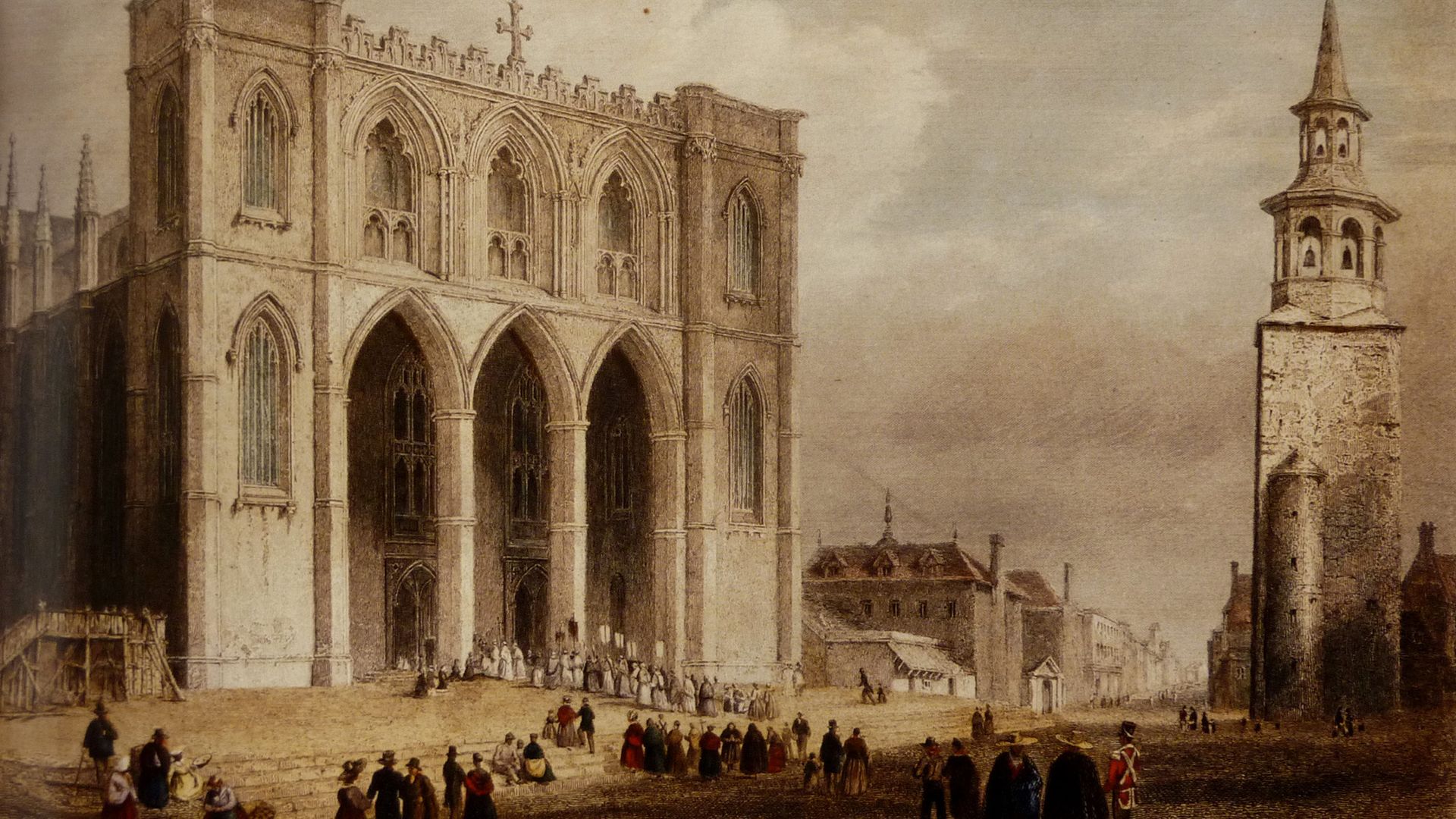
A recent study of ancient DNA from skeletons buried in a historic Montreal cemetery reveals no genetic mixing between Indigenous people and French colonists during early colonization. Published in the journal PNAS, the research suggests that family stories of intermarriage may be exaggerated. The skeletons, all from French European ancestry, lacked signs of recent Indigenous or African admixture, challenging the narrative of cooperation and intermarriage.
While small and limited to a single cemetery, the findings are consistent with other studies indicating limited Indigenous ancestry among modern French Canadians. The researchers note the cemetery's scattered graves and changing use over time may have influenced the results. Indigenous people, both enslaved and free, were often buried outside the city, and the DNA does not establish Indigenous belonging.
The study emphasizes the complex relationships between French settlers and Indigenous peoples, which included alliances, trade, conflict, and family ties.
Written by urgent.news from Live Science's reporting — not their text. Machine-written — may contain errors; check the original before relying on it.