Despite substantial accommodation capacity, room demand still weakens – GSS report
The Accommodation Occupancy Report from March to June 2025 released by the Ghana Statistical Service (GSS) has revealed that even though the country had substantial accommodation capacity, but room demand still weakened. The report pointed out that, though around 5 million room-nights were available each month, monthly occupied room-nights fell from 2.14 million in March […]
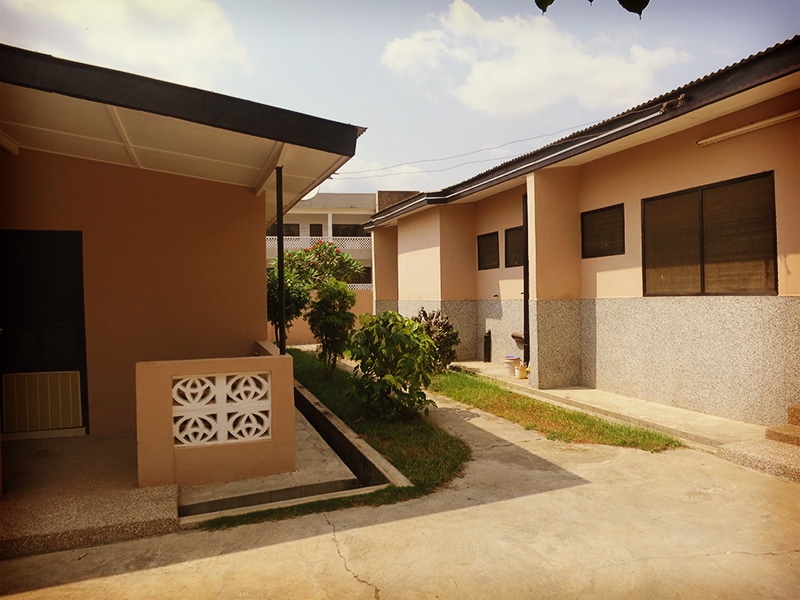
The Ghana Statistical Service (GSS) reported in March to June 2025 that despite ample accommodation capacity in the country, room demand remained weak. With around 5 million room-nights available each month, occupied room-nights dropped from 2.14 million in March to 1.99 million in June, a 7 percent decrease in monthly totals and a 4 percent decrease on average daily basis.
The GSS highlighted that the issue wasn't simply about capacity, but how effectively existing capacity was utilized. National room occupancy averaged 40 percent, ranging from 39.7 percent in May to 40.0 percent in June. Bed occupancy, however, was higher, fluctuating between 46.2 percent and 49.2 percent. While hotels accounted for about seven in every ten available rooms, their room occupancy averaged one-third, compared to hostels with 92.9 to 96.1 percent occupancy, and larger establishments exceeding 83 percent.
Regional disparities were pronounced, with the Central and Western regions recording the highest room occupancy rates at 56.8 percent in June and above 50 percent respectively, while Eastern, Bono East, and North East regions were below 25 percent. Domestic guests constituted the backbone of demand, with 1.78 million to 1.86 million monthly arrivals, while foreign guests numbered only 23,000 to 30,000.
Foreign travelers, however, stayed longer, averaging three to nine nights, compared to domestic guests who stayed about one to two nights. The report concluded that despite substantial accommodation capacity, effective utilization varied widely across regions, establishment types, and market segments. Thus, government and tourism institutions should focus on maximizing existing capacity, while businesses should consider occupancy, average daily rate (ADR), and revenue per available room (RevPAR) for strategic pricing and investment decisions.
Investors too should weigh location, size, and guest demographics before making investment decisions. Lastly, the tourism industry should prioritize domestic travelers, while also attracting foreign visitors who stay longer.
Written by urgent.news from MyJoyOnline Ghana's reporting — not their text. Machine-written — may contain errors; check the original before relying on it.
This story
This is one outlet's version. Read the fullest account.