Commentary: Southeast Asian economies are growing amid the Iran war but inflation pains the poor
The Strait of Hormuz crisis has drained fiscal resources as imported energy bills and social subsidies balloon, says an ISEAS - Yusof Ishak Institute academic.
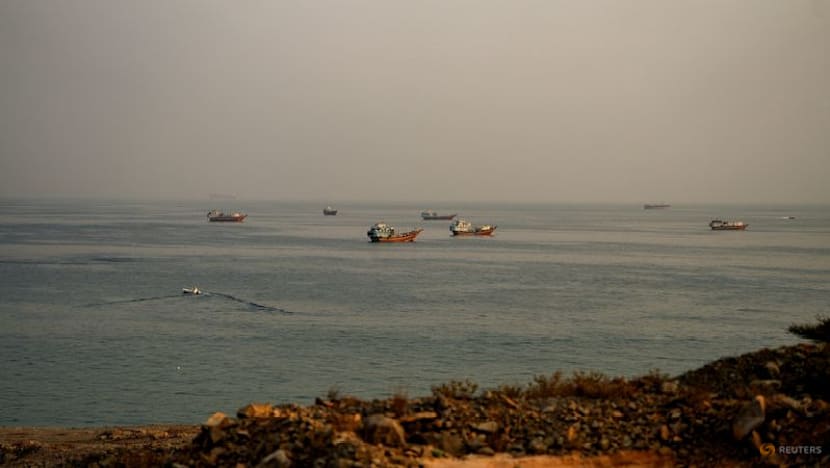
The ongoing Iran conflict has strained Southeast Asia's economies, with energy imports and social subsidies soaring due to disrupted supplies from the Strait of Hormuz. With no resolution in sight, analysts are examining the region's economic health and the effectiveness of policies aimed at easing the financial burden. As import prices rise relative to export prices, countries rely on fossil fuel subsidies to keep fuel costs low, but this exacerbates fiscal strain.
In poorer nations like Cambodia, Laos, Myanmar, and Timor-Leste, dwindling foreign exchange reserves limit the ability to import essential goods. Despite this, most Southeast Asian economies have shown robust growth, driven by the artificial intelligence boom in electronics manufacturing hubs such as Malaysia, Thailand, Singapore, and Vietnam.
These countries have also benefited from relocating supply chains from China to avoid U.S. tariffs. However, the impact of the conflict is more of a welfare shock, as inflation erodes purchasing power, especially among low-income households, exacerbating income inequality. The Philippines and Least Developed Countries (LDCs) face potential declines in growth and inflation, while the ADB has adjusted its forecast for Southeast Asia's growth to 4.7 percent in 2026, up from 4.4 percent.
Governments have attempted to mitigate the impact through various policy measures, such as increasing fossil fuel subsidies, but these actions may further strain fiscal resources. Thailand and Vietnam have allowed some price increases while implementing measures to stabilise fuel prices and lower taxes. In the Philippines, assistance targeted low-income workers but was insufficient to offset the sharp price increases.
Policymakers are recognising the need to transition towards renewable energy sources to avoid long-term distortions in the price mechanism. However, challenges remain, as political crises and debt issues in Myanmar and Laos impede their ability to mitigate the macroeconomic effects of the fuel price shock. Cambodia's low debt levels and widespread dollarisation provide some buffer against inflation, but its border closure with Thailand is affecting fuel and fertiliser supplies, as well as cross-border tourism, adding to an already weakened international travel sector.
Written by urgent.news from Channel News Asia's reporting — not their text. Machine-written — may contain errors; check the original before relying on it.