Claude, Gemini, and ChatGPT ship new models every week, and I finally stopped chasing every new release
The model fatigue is real
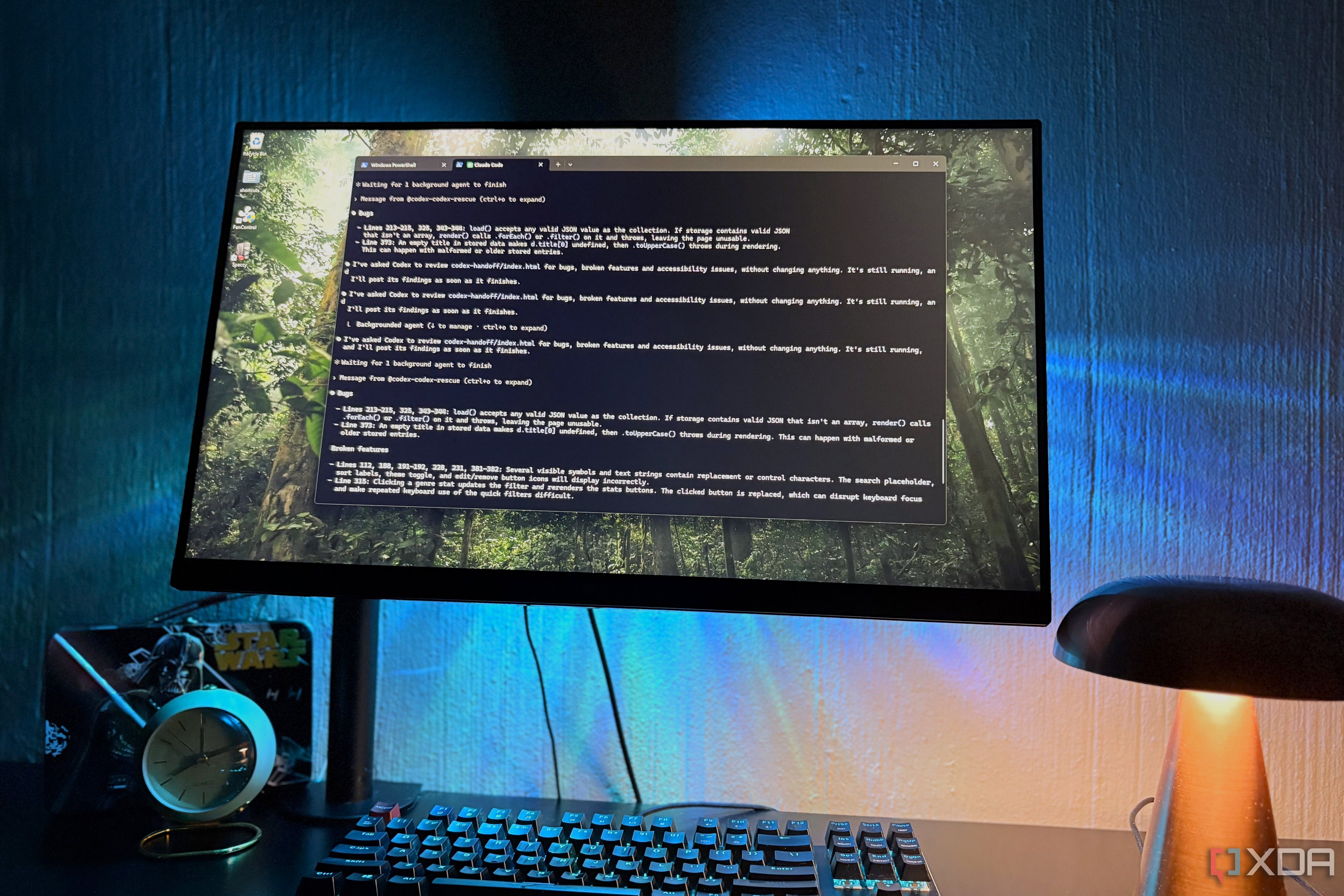
The rapid pace of new AI model releases has led many users to feel overwhelmed and fatigued. Every week, major labs like OpenAI, Anthropic, and Google seem to drop a fresh model, and keeping up with the constant stream of updates has become more of a chore than an enjoyable activity. This cycle of rapid releases, benchmark comparisons, and upgrading has caused a sense of perpetual dissatisfaction among users, despite the initial excitement of trying out new features.
The frequency of model releases has increased dramatically, with some analyses suggesting a jump from approximately 8 days between flagship drops in 2025 to just a single model release every 17 days in 2026. This rapid pace can be attributed to labs using AI to build more AI, employing recursive self-improvement techniques, and hiring additional human experts to curate training data.
Additionally, some model releases are merely earlier flagships repackaged at a lower price. While newer models often appear more advanced on benchmark charts, older models may also degrade over time due to updated parameters and quantized model weights. As a result, users find themselves constantly testing and comparing models, leading to decision fatigue and an inability to fully settle on a preferred model.
Cost considerations also come into play, as users may feel compelled to subscribe to multiple AI services to test the latest models thoroughly. To cope with this model fatigue, some users have started assigning specific tasks to different models and sticking with them for extended periods. This approach helps manage usage costs and decision fatigue, although the constant influx of new models makes it challenging to test them all comprehensively.
Written by urgent.news from XDA Developers's reporting — not their text. Machine-written — may contain errors; check the original before relying on it.