City lawyers say GPU financing is the new data centre gold rush
As AI drives demand for larger data centres, lenders are increasingly financing the costly Graphics Processing Units (GPUs) inside them, which can cost almost as much as the buildings themselves. Data suggests that since the generative AI boom took off in 2023, global investment in GPUs and AI chip infrastructure has been staggering, with figures [...]
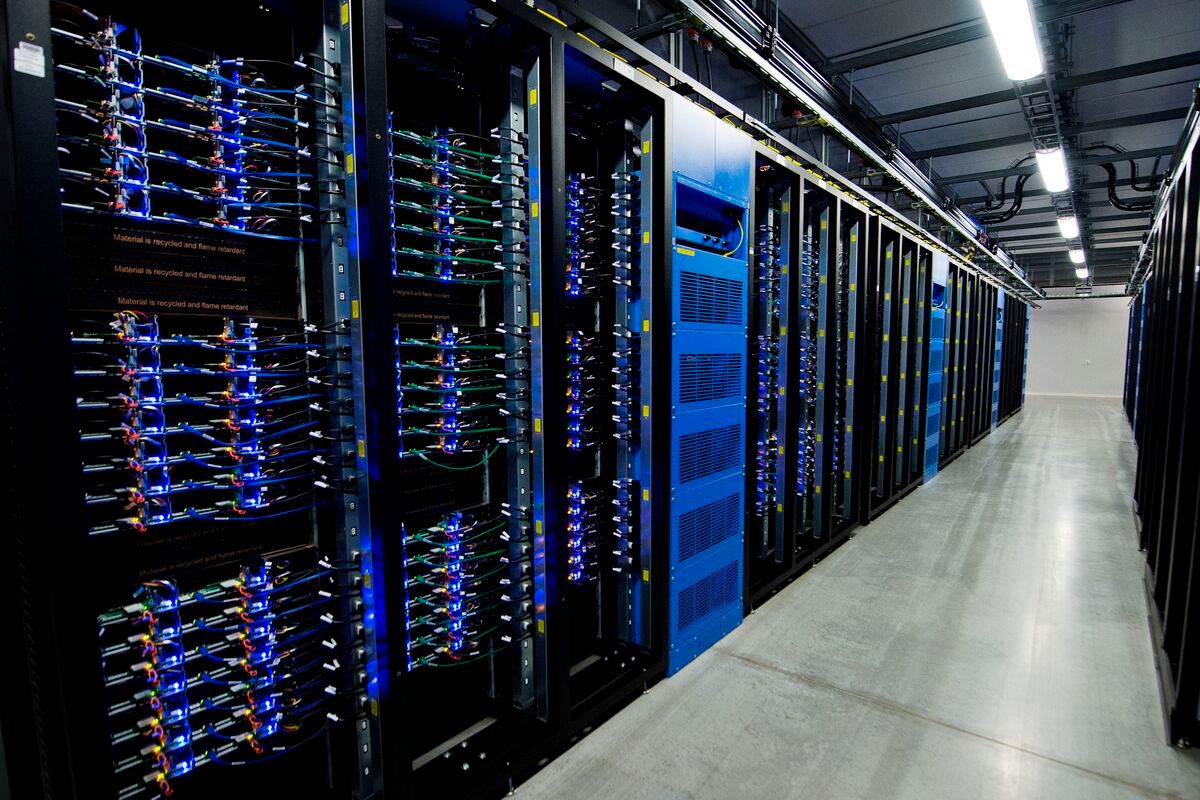
As the demand for AI grows, lenders are increasingly financing expensive graphics processing units (GPUs) within data centres, which can rival the cost of the buildings themselves. Since the explosion of generative AI in 2023, global investment in GPUs and AI chip infrastructure has soared past $1 trillion. Nvidia even invested up to £11 billion in Britain's AI ecosystem, aiming to make the UK host Europe's largest GPU cluster.
GPUs, specialised chips that process massive data amounts simultaneously, are expensive due to high demand, complex manufacturing, and limited supply.
Clifford Chance partners Emma Matebalavu and Matt Dunn, city lawyers, tell City AM that GPU financing has become "the big trend" in the current market. A single high-end GPU can cost between $20,000 and $30,000 and consume nearly a kilowatt of power. European data centres are racing to secure power, but significant risks still exist, including site stability, grid-connection, planning permission, and long-term tenants.
These factors attract various capital sources like pension funds and insurers, and can be refinanced through capital-markets deals.
Tritax Big Box, a FTSE 100 real estate investor, recently announced a £350 million share issue to fund the construction of two new London data centres set to complete by 2031. The investment will provide computational capacity to London. However, power availability remains a major constraint, with other regions gaining traction due to better grid access.
Magic Circle law firms note that the European market is expanding beyond traditional hubs, with Frankfurt, London, Amsterdam, Paris and Dublin (FLAP-D) remaining important, but Milan, Madrid and Scandinavia gaining more attention lately.
Matebalavu suggests Scandinavia is the most buoyant and talked-about region currently in Europe, thanks to its renewable energy sources like hydroelectric power in Norway, wind and nuclear power in Finland. Meanwhile, Britain's Prime Minister Andy Burnham unveiled the Great British Grid, a publicly owned arm of Great British Energy, aiming to compete with existing network operators and expedite connections for businesses.
The grid delays are "dragging growth down," as Burnham suggests the shake-up will significantly impact Britain's booming data centre industry.
Written by urgent.news from City AM's reporting — not their text. Machine-written — may contain errors; check the original before relying on it.