Chinese team finds 11,700 new viruses in world’s biggest seabed metal deposit
Up to 6,000 metres (19,700 feet) beneath the surface of the Pacific Ocean between Mexico and Hawaii, billions of potato-shaped metallic nodules are scattered across the seabed. The Clarion-Clipperton zone’s reserves of vital metals such as nickel, cobalt and manganese could surpass the total known reserves on land, according to some estimates. While no commercial mining has yet taken place on the…
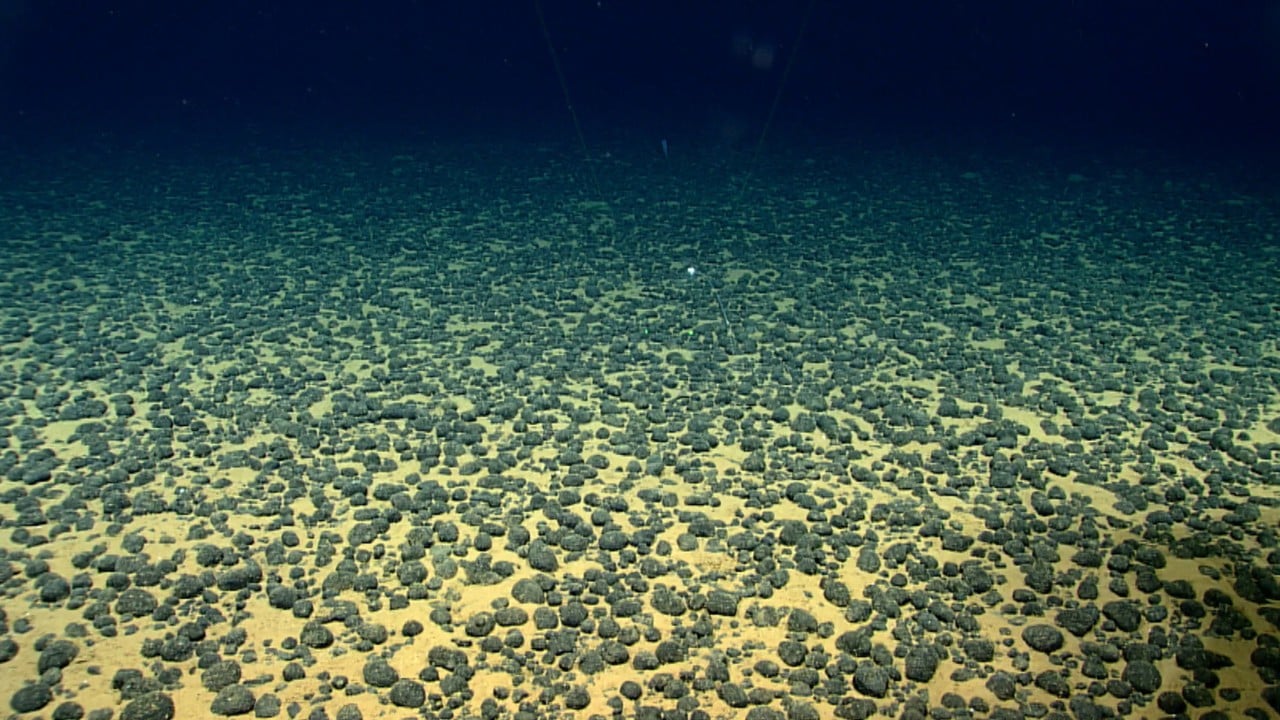
Deep beneath the Pacific Ocean, between Mexico and Hawaii, a vast seabed deposit known as the Clarion-Clipperton zone is littered with metallic nodules. These nodules hold valuable metals like nickel, cobalt, and manganese, which could exceed total known land reserves. While commercial mining hasn't begun, the International Seabed Authority has granted 17 exploration contracts, five held by China.
A Chinese research team has discovered an astonishing 11,742 new viruses in the area. Over 99% of these viruses are entirely unknown to science. This discovery could provide crucial data for environmental impact assessments before any mining occurs. The researchers, led by Hou Bowen, compared the viruses to existing data and found that only 4% shared genetic material with known viruses.
The high concentration of heavy metals in this unusual environment likely contributes to the unique nature of these viruses, which primarily target bacteria. Mining activity could disrupt the viruses' ecological role, potentially impacting the seabed's overall health.
Written by urgent.news from Reuters Business via SCMP's reporting — not their text. Machine-written — may contain errors; check the original before relying on it.