Chinese AI firms tap cheaper ‘dim sum’ offshore yuan debt for funding edge
The 10-year and 30-year portions of Tencent's recently priced offshore yuan securities carried coupons well below the yields on dollar notes.
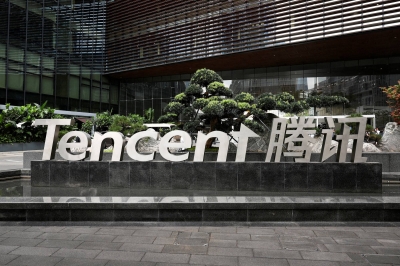
Chinese technology giant Tencent Holdings has turned to low-cost offshore yuan debt to fund its artificial intelligence infrastructure, marking the latest move by prominent Chinese firms leveraging their currency advantage over global rivals. The company recently sold nearly $5.7 billion worth of bonds, its largest offering in over six years, with a significant portion coming in the form of dim sum notes. Dim sum bonds are favored due to their lower borrowing costs compared to traditional dollar-denominated securities.
In this latest debt sale, Tencent issued 26 billion yuan ($3.9 billion) of offshore yuan securities, with a greater focus on long-term options. The 10-year and 30-year portions of the bonds offered coupon rates of 2.4% and 3%, respectively, which are considerably lower than the yields on dollar-denominated securities, which exceeded 6%. The yuan-denominated portion of the offering accounted for more than double the amount raised in the dollar portion, highlighting Tencent's preference for leveraging its local currency.
This strategic shift towards yuan-based financing underscores the growing trend among leading Chinese technology firms to capitalize on the cost advantages offered by offshore yuan debt. By tapping into this cheaper funding source, Chinese firms can bolster their AI investments and maintain a competitive edge in the rapidly evolving global technology landscape.
Written by urgent.news from Japan Times's reporting — not their text. Machine-written — may contain errors; check the original before relying on it.