Building an AI data center costs billions. Defending it is another story
Over four days last week, Ukrainian drones struck three data centers operated by Yandex, Russia’s largest technology company. Facilities went offline, disrupting services used by banks, retailers, and ordinary Russians. One of the sites, in Sasovo, housed tens of thousands of servers and two of the supercomputers used to develop Yandex’s AI models. The strikes followed Russian attacks on…
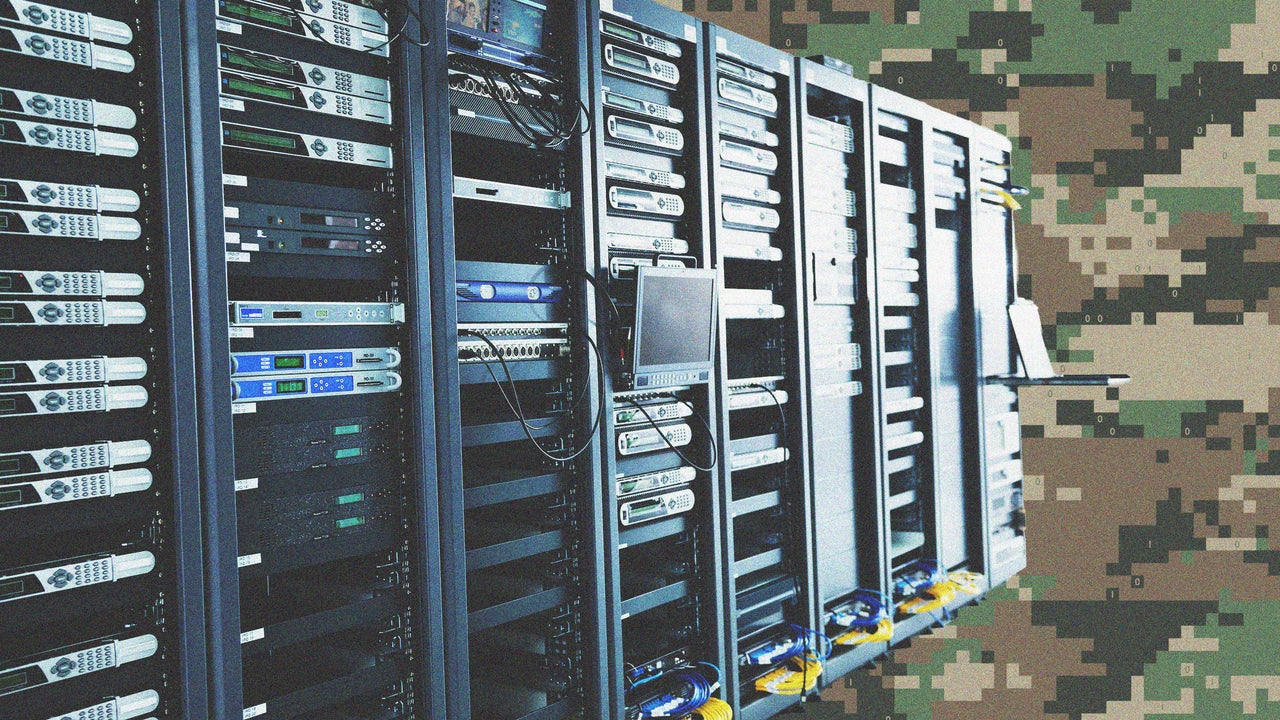
In a week-long series of attacks last week, Ukrainian drones targeted three data centers owned by Yandex, Russia's leading technology firm. These assaults left services dependent on the facilities disrupted, impacting banks, retailers, and regular Russians alike. One site in Sasovo contained tens of thousands of servers and two supercomputers essential for developing Yandex's AI models.
The strikes came after Russian attacks on Ukraine's digital infrastructure, including a devastating blow to Kyiv's Parkovyi Data Center, which suffered such extensive damage that restoration proved impossible. The ongoing conflict exposes the vulnerability of physical digital infrastructure and the escalating stakes as governments and tech firms invest heavily in data centers, including those with growing military applications.
While reporting on Ukraine this summer, I witnessed AI being utilized by the military, ranging from aiding GPS-less drone navigation to battlefield intelligence analysis and strategizing for commanders. These applications rely on robust computing infrastructure, often housed in expansive structures filled with high-cost equipment, making them relatively easy targets.
The difficulty in concealing data centers is evident. These facilities are massive, consume vast amounts of electricity, and require extensive cooling systems. While underground placement might seem a solution, it proves costly and still requires power and communication links. Concealing data centers underground remains challenging, as Lewis points out, due to the dependency on external power lines and communication links.
The risks are not unacknowledged. Both the UK and US governments have issued warnings about physical attacks on these facilities, with the US Government Accountability Office highlighting the Pentagon's Joint Warfighting Cloud Capability program as a mission-critical IT project. Recommendations have been made to investigate the physical and cyber risks of placing commercial AI data centers on military installations.
RAND researchers have proposed secure AI inference facilities, focusing more on preventing model theft or manipulation rather than withstanding drone strikes. Economically, the cost of a direct hit is surprisingly low compared to the price of building data centers. For instance, Iranian drones targeted AWS facilities in the UAE and Bahrain in March, disrupting cloud services and causing significant financial losses.
This has prompted governments to reconsider data center locations, with some suggesting the creation of a few secure "digital hubs" instead of scattered sites, despite the trade-off of potential secrecy concerns. The International Committee of the Red Cross has warned that military data centers might become lawful military targets depending on their use, despite the risk to civilians who depend on them.
Written by urgent.news from Fast Company's reporting — not their text. Machine-written — may contain errors; check the original before relying on it.