Ancient Indigenous people in New Mexico lived through extreme climate change 23,000 years ago, study suggests
Researchers have revealed the climate that some of the first people in North America experienced around 23,000 years ago, during the Last Glacial Maximum.
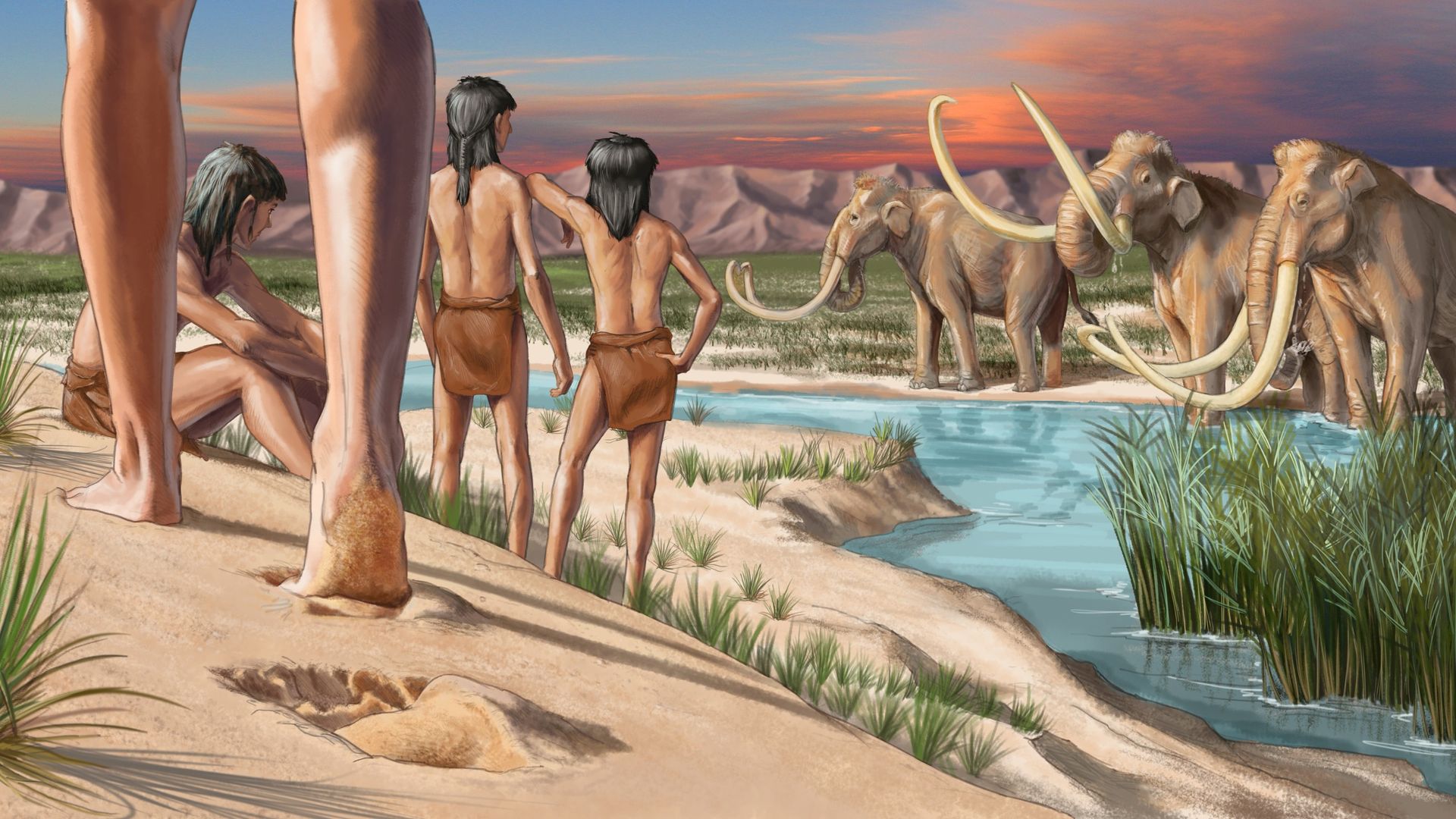
Indigenous peoples in New Mexico endured significant climate change 23,000 years ago, according to a new study. Researchers analyzed ancient pollen preserved in rocks at White Sands National Park, home to some of the earliest human footprints in the Americas. The footprints, dated to around 21,000 to 23,000 years ago, show that humans persisted in the region despite the landscape undergoing rapid transformations during the Last Glacial Maximum (26,500 to 19,000 years ago).
Study co-author Kathleen Springer, a USGS research geologist, noted that early humans witnessed a swiftly changing environment within a human lifetime. The findings challenge the belief that humans arrived in North America around 13,000 years ago, suggesting a much earlier arrival via the Bering Strait region. The site contains footprints of various time periods, including a caregiver and a toddler from 10,000 years ago.
Researchers also discovered sled-like drag marks, indicating the use of a travois, a wooden frame used for transporting goods. By examining ancient pollen and organic molecules, scientists deduced that the area transitioned from a lake-dominated landscape with conifer trees to a woodland with oak trees and sagebrush over thousands of years.
Despite the footprints providing a glimpse into ancient life, they offer limited insight into human behavior.
Written by urgent.news from Live Science's reporting — not their text. Machine-written — may contain errors; check the original before relying on it.