ANALYSIS: SA’s lack of a dominant election narrative fractures the national voice before polls
With just three weeks before the local government elections, there appears to still be no single dominant narrative. Welcome to the future of South African politics.
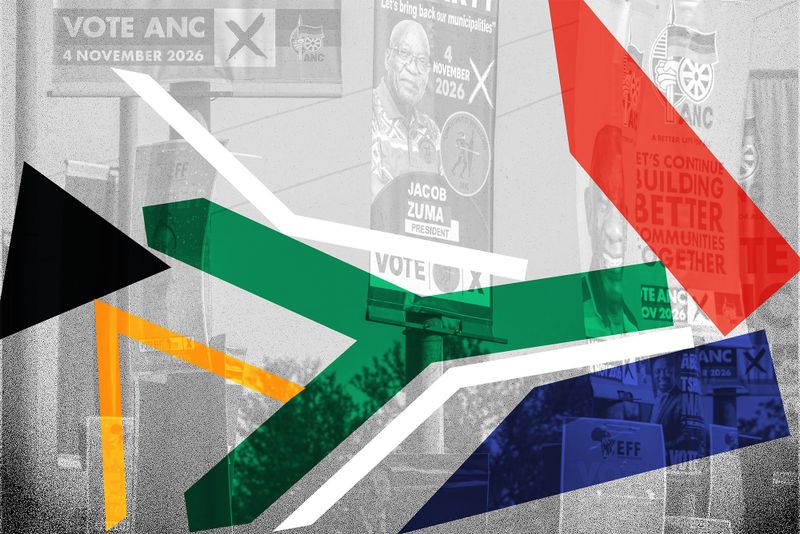
With three weeks remaining until South Africa's local government elections, there remains no single dominant narrative shaping the national discourse. In contrast to previous elections, political parties are largely focusing on preaching to their respective followers and addressing specific communities with generic messages. This trend is evident in their election posters, which essentially tell voters to choose their political party because it is superior to the others.
One reason for this lack of a cohesive narrative is the decline of the ANC, which can no longer dominate South African politics as it once did. The party has lost control over society that it enjoyed in the past, particularly exacerbated by the rifts within the party and its approach to this campaign. Additionally, the ongoing divisions within South African society have changed the political landscape, as long-standing factors like race no longer hold as much sway over voters and have not been prominently featured in the campaigns.
While the Democratic Alliance (DA) has attempted to frame its campaign around service delivery and water supplies, the impact on voters is yet to be seen. The ANC's failure to present a coherent response to these issues has allowed the DA to gain ground in Johannesburg, where it is blamed for the city's decline. However, this does not mean that the ANC's decline is the sole explanation for the absence of a dominant narrative – societal changes have also played a significant role.
South African society has become increasingly divided over the past decade, leading to a drift in conversations between different groups. No longer does a single political story resonate with people across the country, as seen in the past with events like the Zuma rape trial in 2006 or debates over who would lead the ANC. The role of the SABC in shaping the national narrative has also diminished, with podcast discussions now playing a more significant role in shaping public opinion.
As a result of these factors, political discourse has fractured, causing political leaders and parties to focus on influencing local communities rather than creating a unified national narrative. This trend is likely to continue and potentially worsen, with the ANC's decline, lack of consensus among parties, and deepening societal divisions contributing to a fragmented political landscape.
The future of South African elections is expected to see a continuation of these trends, with no single party or leader dominating national discussions.
Written by urgent.news from Daily Maverick's reporting — not their text. Machine-written — may contain errors; check the original before relying on it.