Airport drop-off charges to be reviewed after sharp increase
Confirming the review, the government said it was "vital to ensure travel remains accessible and that passengers are treated fairly".
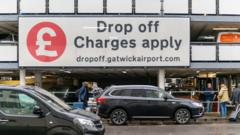
The government has committed to reviewing airport drop-off charges after a significant price increase over recent years. Prices at major UK airports have risen by a third, with Gatwick and Stansted being the most expensive, jumping from £7 to £10. Edinburgh Airport saw charges rise from £6 to £8.50, while Bournemouth fees increased from £5 to £8. The Department for Transport stated that it is vital to ensure travel remains accessible and that passengers are treated fairly.
The RAC, which conducted the analysis, has been campaigning against these increases, arguing that a review of kiss and fly fees would benefit drivers. Four-in-five drivers surveyed by the RAC believe these charges are a rip-off, with only one-in-10 understanding the rationale behind them. London City Airport, which introduced charges in 2026, is the most expensive on a per-minute basis, with a £8 charge for five minutes equating to £1.60 per minute.
Critics of these charges argue that they are a necessary part of the business model for airports. However, supporters claim that they encourage the use of more environmentally friendly modes of transport. Notably, none of the top 10 airports in the European Union currently charge for drop-offs. The Aviation Environment Federation has defended these fees, stating that they help reduce congestion and air pollution around airports.
The government hopes that this review will ensure airports do not engage in excessive price hikes, particularly where limited public transport alternatives exist. The RAC's senior policy officer, Rod Dennis, emphasized the widespread frustration among drivers with these fees. Prime Minister Andy Burnham announced earlier this month that extra charges for parents traveling with children would be scrapped for the summer holidays, part of a series of everyday fixes to alleviate cost of living pressures.
Written by urgent.news from BBC Business's reporting — not their text. Machine-written — may contain errors; check the original before relying on it.