AI Is Helping Bring Back the Dodo
Colossal Biosciences is on a quest to bring the dodo back from extinction.
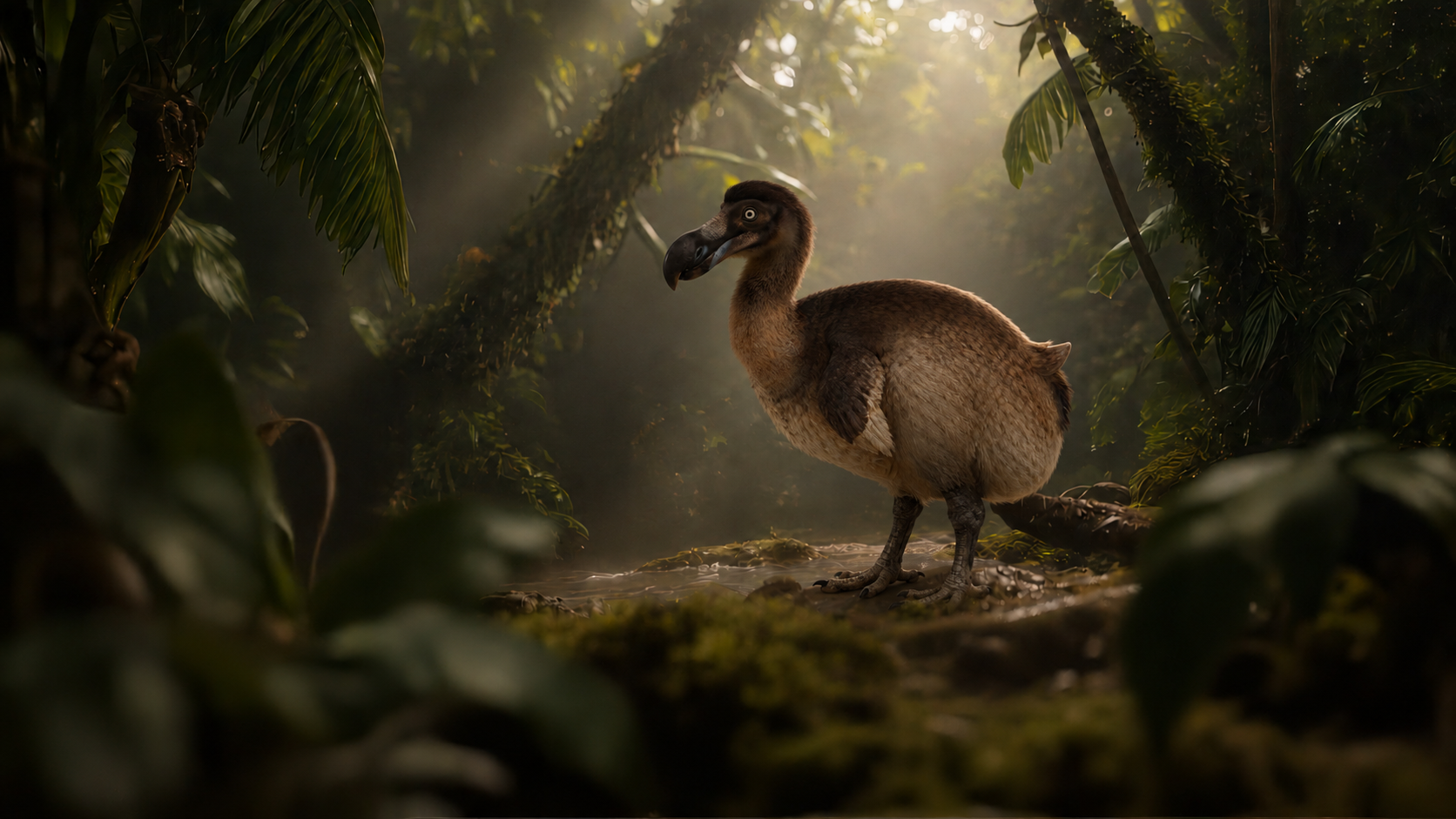
Artificial intelligence is being employed to help resurrect the extinct dodo, a flightless bird that vanished over 350 years ago. Colossal Biosciences, a Dallas-based company, has announced that AI could hasten the bird's return, with a likely timeline of the early 2030s. With scarce ancient DNA samples and degraded genetic material, AI's analytical and computational abilities are crucial in filling in the genetic gaps.
Ben Lamm, Colossal's CEO and co-founder, noted that "de-extinction is as much a data problem as a biology problem," and AI helps address this by learning how regulatory DNA shapes living birds, then identifying genetic switches that may have contributed to the dodo's distinctive anatomy.
Colossal has previously sequenced ancient DNA from the extinct dire wolf, used it to rewrite the genome of the gray wolf, and successfully brought the Ice Age dire wolf back to life. The company's roster of de-extinction projects also includes the woolly mammoth, the Tasmanian tiger, the moa, and the quagga. While the dodo may not possess the power, grace, or charisma of these other animals, its unique appearance and charm make it a compelling target for de-extinction efforts.
The de-extinction process for a placental mammal like the dire wolf is relatively straightforward. Researchers harvest cells from a living gray wolf, make genetic edits to code for the dire wolf's unique traits, and then implant the edited nucleus into a gray wolf ovum. The resulting embryo is then implanted in a domestic hound, eventually giving birth to a wolf with dire wolf characteristics.
De-extincting a bird like the dodo, however, presents unique challenges. Unlike mammals, birds lay eggs outside of the womb, making the process more complex. Colossal will first harvest primordial germ cells (PGCs) from the Nicobar pigeon, the dodo's closest living relative. These PGCs will be edited to incorporate dodo traits, similar to how the gray wolf was modified.
The edited cells will then be injected into a domestic chicken egg, where they will migrate to the embryonic gonads of a developing chick. When the edited female chick mates with an edited male, she will lay eggs that hatch into dodos.
To overcome the challenges posed by ancient DNA fragmentation and the extensive list of regulatory elements associated with the dodo's beak, Colossal has developed an AI platform called GenoMorph. This platform builds on an atlas showing how genetic switches control facial development in chickens, quail, ducks, and pigeons, and compares genomes and skull shapes from over 70 bird species.
By identifying the list of approximately 2,350 genetic switches that may influence the dodo's beak, GenoMorph aims to streamline the de-extinction process. Colossal's chief science officer, Beth Shapiro, emphasized that the recently assembled dodo genome is remarkably complete, giving researchers a solid foundation for their work. However, it will still take around five years to complete the project.
Written by urgent.news from Time's reporting — not their text. Machine-written — may contain errors; check the original before relying on it.