AI Came for Math. Now It’s Chasing the Rest of Science
AI may soon be the default way to solve theoretical problems in economics, high-energy physics, and other fields, MIT researchers tell WIRED.
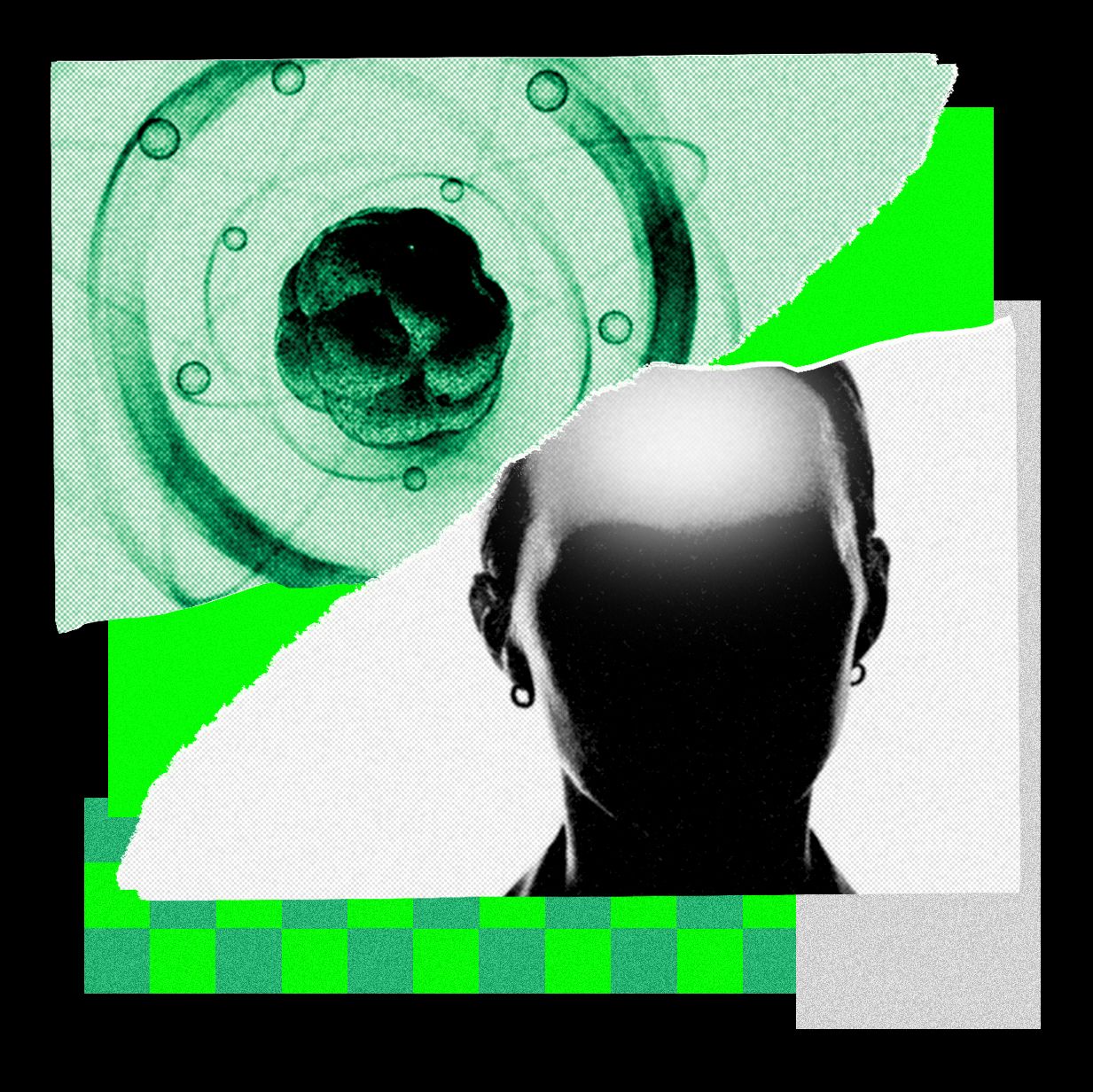
MIT researcher Neil Thompson warned of AI's upcoming disruption of various scientific disciplines during a recent talk. Thompson's analysis suggests probability, statistics theory, economics, high-energy theory, gravitation, cosmology, quantum physics, and more are likely to be impacted by cutting-edge AI models. In the past two years, AI's ability to solve theoretical problems has surged from just 2% to a striking 35%, with no signs of slowing down.
Thompson and his colleagues tested OpenAI's latest models against unsolved problems in these fields, which had not been part of the models' training data. The models had to independently arrive at solutions, with no internet access to look up answers. The results indicate that AI could transform theory questions, potentially transforming fields traditionally reliant on mathematical and theoretical prowess.
The revelation of AI solving a major mathematical problem, Navier-Stokes equations, has sparked controversy and concerns within the math community. Thompson emphasizes the duality of AI's impact, acknowledging both positive theoretical advances and the potential for AI to eclipse human involvement in problem-solving. While AI may reduce the need for individual human theorists, experts argue that human insight remains crucial for interpreting solutions and ensuring their validity.
Written by urgent.news from Wired Science's reporting — not their text. Machine-written — may contain errors; check the original before relying on it.