Winter gas load management plan: PD seeks PM-led CCoE’s nod
ISLAMABAD: The Petroleum Division has sought approval from the Prime Minister-led Cabinet Committee on Energy (CCoE) for the winter gas load management plan for four months (November 2026 to February 2027), under which domestic consumers will receive top priority while supplies to industry, captive power plants, fertiliser plants and compressed natural gas (CNG) stations may be curtailed in case…
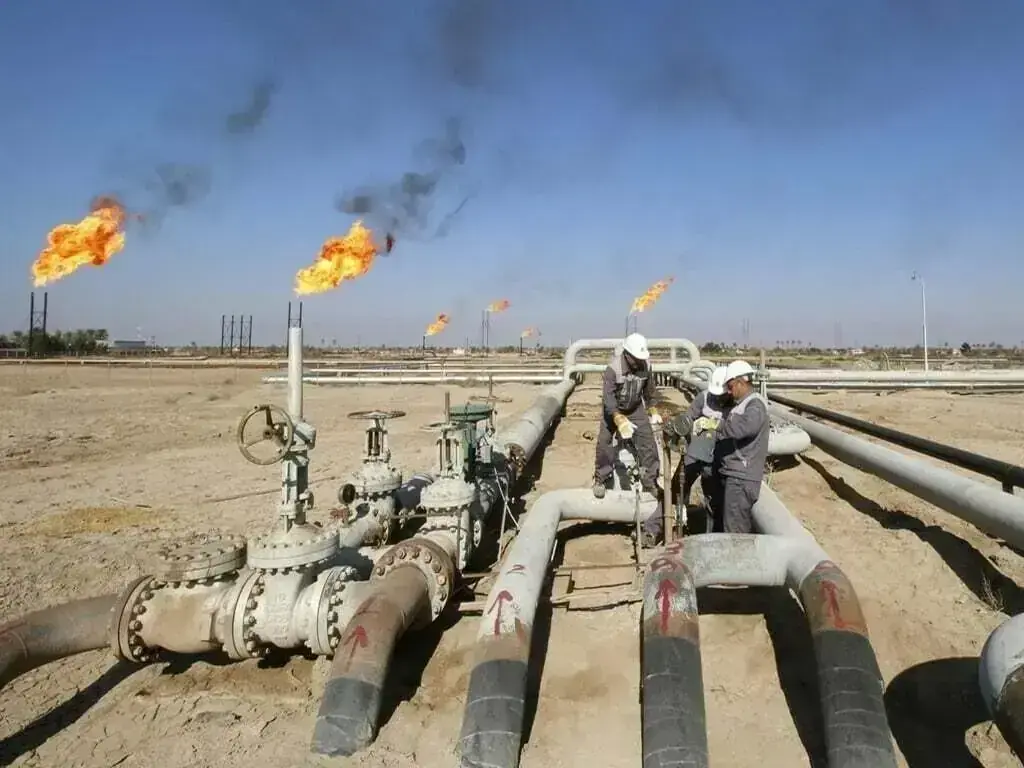
The Petroleum Division in Pakistan has requested approval from the Prime Minister-led Cabinet Committee on Energy (CCoE) for a winter gas load management plan spanning from November 2026 to February 2027. The plan prioritizes domestic consumers, while industry, captive power plants, fertiliser plants, and CNG stations may face supply curtailment under severe gas shortage or lack of required LNG cargoes.
The division estimates 24 LNG cargoes to meet winter demand, including nine for the power sector and 15 for domestic demand. The proposed plan also includes additional LNG procurement due to uncertainties in existing contracts with QatarEnergy. Winter demand is expected to surge, with SNGPL's demand projected to escalate from 550 MMCFD to 1,100 MMCFD, and SSGCL's from 300 MMCFD to 500 MMCFD.
In FY2018-19, a tariff differential was introduced, resulting in over Rs350 billion of accumulated savings, which declined to Rs220 billion as of June 30, 2026. However, Rs78 billion remains unsettled under the gas circular debt management plan. The proposed arrangement will impact gas availability, gas utility finances, electricity consumers, and the federal government's finances.
SNGPL's revenue requirement for the current financial year stands at Rs501 billion at a prescribed price of Rs1,719 per MMbtu, not accounting for RLNG diversion. The use of spot LNG cargoes for domestic supplies and contracted cargoes for the power sector could lead to a revenue shortfall of Rs45 billion, necessitating an increase of over Rs300 per MMBtu across Sui gas companies.
The government must consider the financial implications of different supply arrangements, including LNG allocation between domestic consumers and electricity generation.
Written by urgent.news from Business Recorder's reporting — not their text. Machine-written — may contain errors; check the original before relying on it.