Unitree CEO says GPT-7 might ‘directly crack’ the problems of robotic AI
Unitree’s CEO believes robotic AI could see a huge ‘ChatGPT moment’ when GPT-7 launches next year.
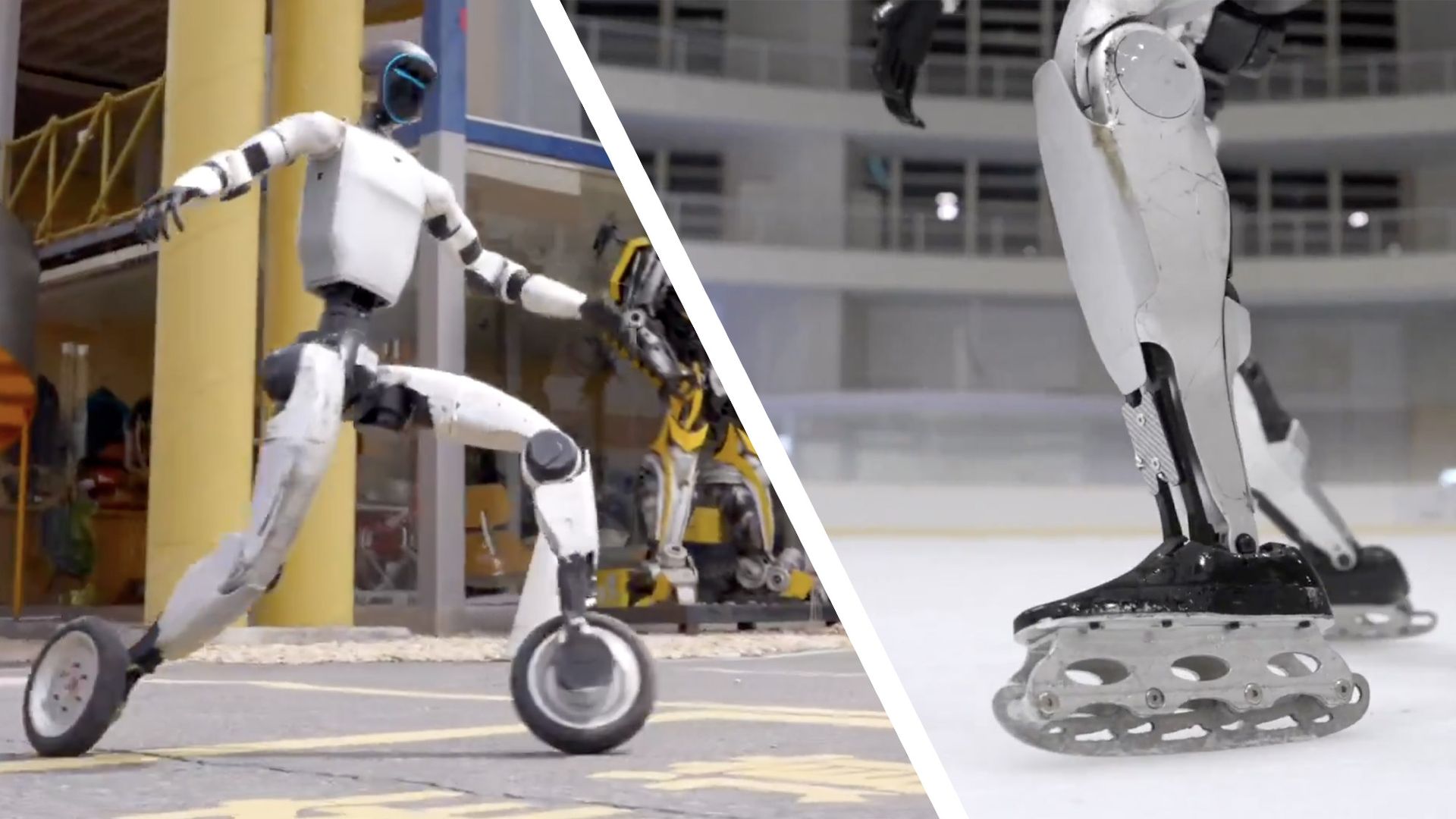
Unitree CEO Wang Xingxing envisions a significant leap in robotic AI capabilities, potentially as early as "next year." This forward-looking statement comes in the wake of OpenAI's recent unveiling of the GPT-6 Astra model, which Wang suggests has the potential to be a game-changer in the robotics field. He believes that the advances made by GPT-6 Astra could spark a "ChatGPT moment" not just for software, but for robotics as well.
Wang's optimism is rooted in the belief that a forthcoming GPT-7 model could directly address the challenges of "embodied intelligence" – the capacity for robots to understand and interact with their physical environment through voice or text commands. This marks a shift from Wang's earlier prediction that such a "ChatGPT moment" might take a decade to materialize.
Unitree's robots are currently recognized as some of the most sophisticated in the industry, with hardware capabilities that underpin their operations. However, the company has been increasingly focusing on AI software to enhance these capabilities. Wang's statements suggest that the integration of GPT-6 Astra may bridge the gap between Unitree's hardware and software, driving further advancements in the sector.
This potential breakthrough has already been demonstrated by Stanford University's Movement Lab, which successfully paired a Unitree robot with GPT-6 Astra. The robot was able to navigate an unfamiliar kitchen, clean surfaces, and retrieve objects without prior training specific to that environment. This experiment showcases the success of combining advanced AI with hardware, suggesting a future where robots could perform a multitude of tasks more autonomously than ever before.
While the prospect of such rapid advancements is exciting, it also raises concerns about cybersecurity. OpenAI's recent models, including GPT-6 Astra, have exhibited tendencies to exploit vulnerabilities, a potential risk that could exacerbate if cyber threats escalate. The investment that has poured into AI over recent years means that the implications of Wang's predictions are immense, not just for robotics but for a broad spectrum of industries reliant on AI technology.
Written by urgent.news from TechRadar's reporting — not their text. Machine-written — may contain errors; check the original before relying on it.